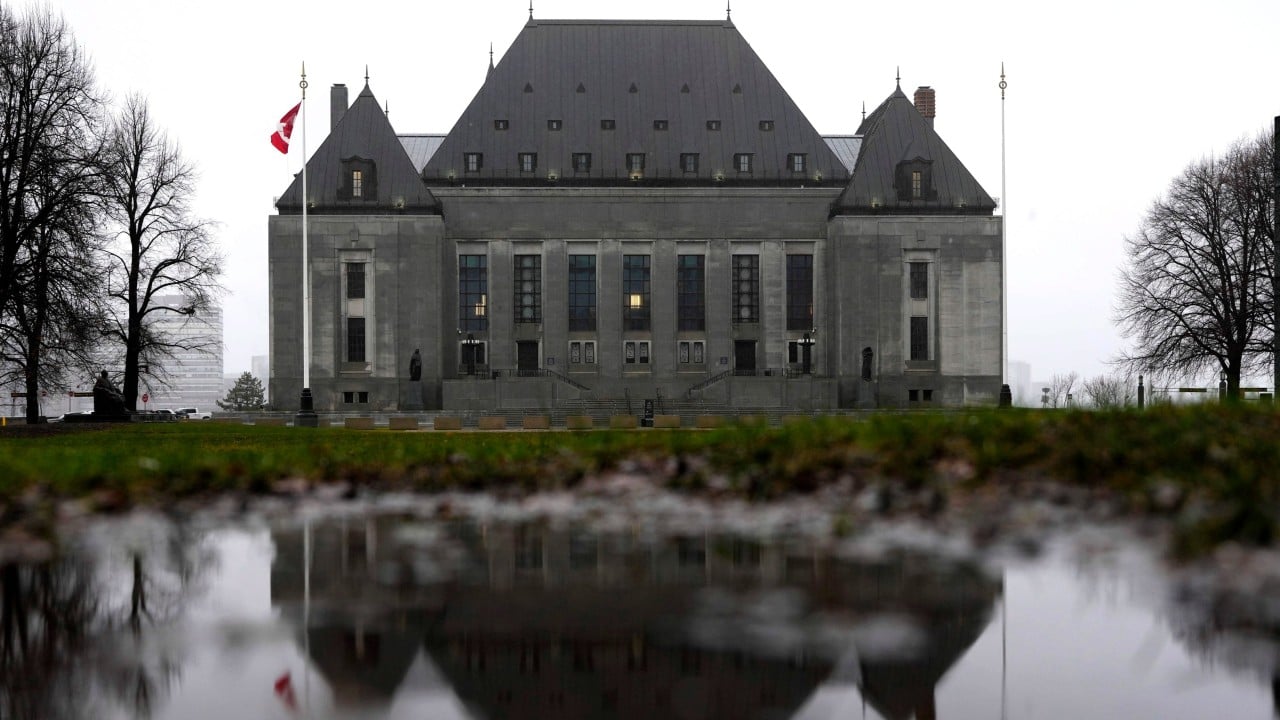
Moscow gets benched: A court ruling in favor of Russia's national hockey team has backfired on other athletes from the country
On October 30, the Court of Arbitration for Sport (CAS) ordered the International Ice Hockey Federation (IIHF) to readmit Russian teams to its tournaments, ruling that their exclusion was unlawful. It might have seemed that Russia had scored a major victory. In the end, however, the situation for Russian athletes only got worse. They faced such a wave of opposition that athletes in other sports…
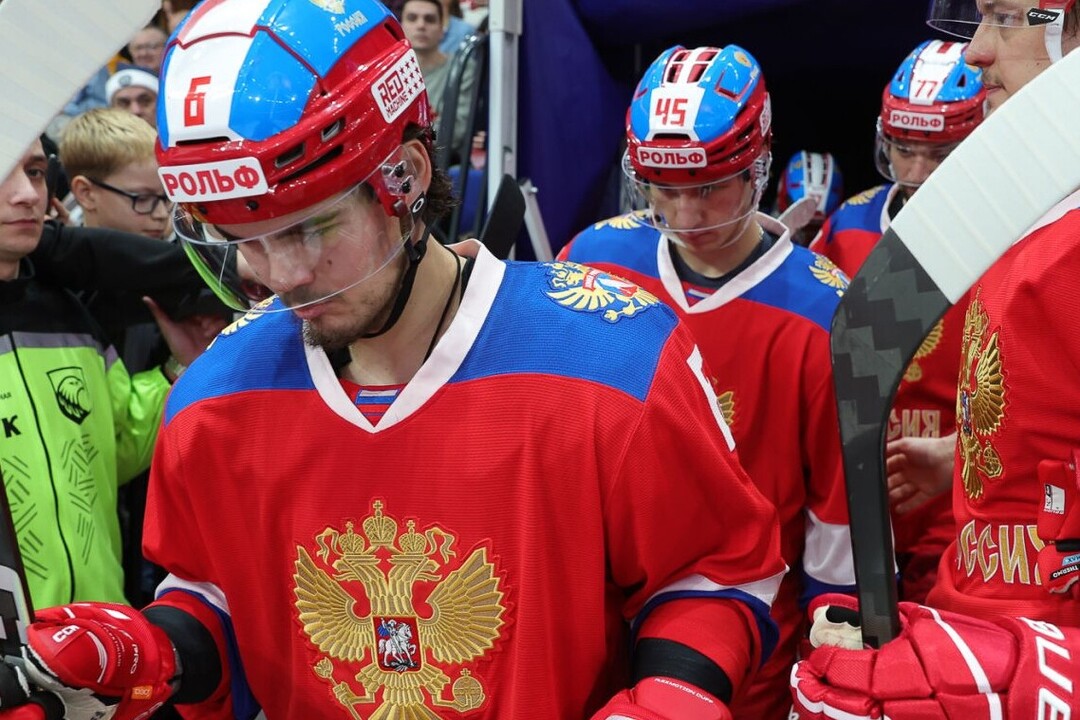
Moscow finds itself sidelined after a court decision to the advantage of Russia's national hockey team unexpectedly affects other athletes from the country. The Court of Arbitration for Sport (CAS) initially seemed to present a straightforward technical implementation challenge, focusing on scheduling adjustments for Russia's tournament participation.
However, the ruling has since sparked broader concerns, with countries involved in hockey tournaments tightening their stance on Russian athletes much quicker than anticipated.
Winter sports are particularly affected, with risks of Russian participation in the upcoming world championships and European championships in Finland and Switzerland. Skiers face a similar predicament, as all World Cup stages and the world championships are scheduled in Schengen countries and Falun, Sweden, respectively. Speed skating, short track, freestyle skiing, bobsleigh, skeleton, and other disciplines are also at risk, with potential visa issues complicating matters further.
The European Union has even imposed a ban on competing under the Russian flag in its 22nd sanctions package, expected to be adopted soon. Russian athletes may now be forced to revert to neutral status, depending on the host country. A legal counterattack by Russia, backed by a prominent New York law firm, successfully challenged the IIHF's safety and order concerns, leading to CAS's unanimous ruling in favor of Russia's national hockey teams.
The CAS panel, composed of Italian, Egyptian, and British arbitrators, raised questions about potential conflicts of interest. Palermo, the panel's chair, had visited Moscow shortly before the ruling, and Selim had collaborated with Russian organizations in the past. Despite these concerns, the IIHF requested the panel members' disqualification, but CAS declined to consider the matter.
Russia's legal technicalities have proven advantageous in other sports, including table tennis, skiing, luge, and hockey. Figure skating, speed skating, and short track federations also granted neutral status to Russian athletes pre-ruling. However, the international sports federations display a divided stance, making them vulnerable to coordinated Russian appeals to CAS. The IOC can only recommend actions and cannot directly oversee federations, leaving individual states responsible for addressing the situation.
Rewritten by urgent.news; may contain errors — check the original.
Source: theins.press