Modeindustrie: Wegen 138 Dollar Mindestlohn im Monat – Moderiesen verlassen Bangladesch
Wegen Streiks und steigender Kosten ziehen Modekonzerne Aufträge aus Bangladesch ab. Indien und andere asiatische Länder profitieren davon.
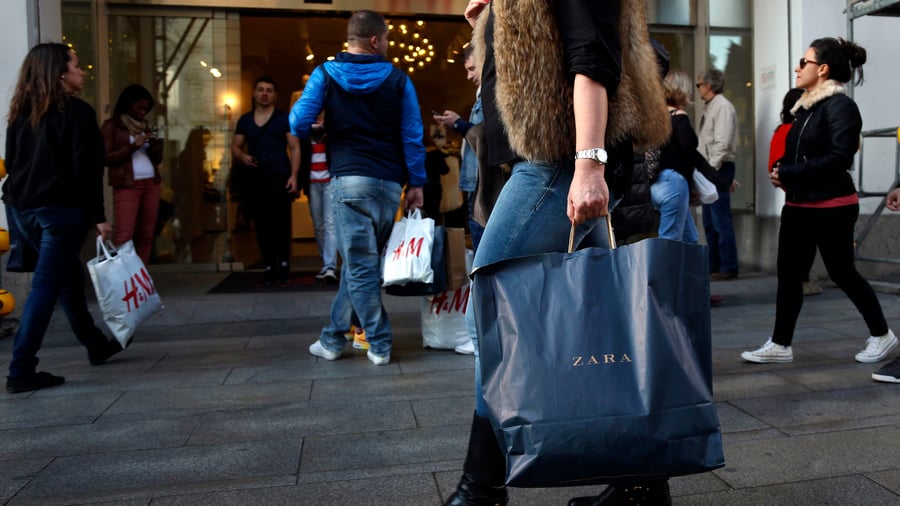
Global fashion retailers, such as Inditex's Zara and H&M, have reportedly shifted nearly a tenth of their monthly orders from Bangladesh to Asian production centers in the first half of November due to labor disputes and rising costs in the country. The brands moved orders worth around $254 million (around €230 million) to neighboring India, according to three factory owners quoted by Reuters.
They wished to remain anonymous due to their business relationships with international buyers. Marks & Spencer (M&S) and Celio also diverted orders. Inditex declined to comment. H&M, M&S, and Celio responded to inquiries initially. Indian textile stocks rose by up to 11% and Trident by about 5% after the Reuters report. Other firms like Welspun Living, KPR Mill, and Vardhman Textiles gained around 2%.
The pressure on the industry intensified on Wednesday when Bangladesh approved a 36% increase in the minimum wage for textile workers to $138 per month. While the increase was the smallest since the minimum wage was introduced in the textile sector in 1986, with wages rising by 56% in 2023, 51% in 2018, and 77% in 2013, it still erodes the wage cost advantage over India.
Industry representatives said the hike still left wages low compared to the global industry average. The state secretary at the Labor Ministry, Abdur Rahman Tarafder, called the wage increase "satisfactory" and hoped all textile workers would return to work by Saturday. The protests have led to production losses of over $400 million for industry association BGMEA (Bangladesh Garment Manufacturers and Exporters Association), with manufacturers around Dhaka losing 20 to 25 production days.
Some are considering overtime and expensive air freight to meet delivery commitments. Energy shortages exacerbated by the Middle East crisis caused further production disruptions, forcing some factories to resort to more expensive alternative power sources. Political tensions surrounding former Prime Minister Sheikh Hasina's possible return to Dhaka from India add to concerns about further disruptions.
The industry director of BGMEA, M. Mohiuddin Chowdhury, said buyers were shifting orders to Vietnam, Cambodia, and Indonesia to reduce supply chain risks and improve reliability. They can complete orders in the region within 60 to 90 days, compared to 120 days in Bangladesh. India could offer a supply advantage of around one week, while Vietnam and Cambodia could cut lead times by up to 15 days.
The price is second to the urgency to meet strict delivery dates when brands face pressure, Chowdhury explained. Verbandspräsident Mahmud Hasan Khan said some order shifting helps the industry retain international customers and limit financial losses. However, the bigger concern for factory owners is that diverted orders could lead to a loss of future business as buyers review their sourcing strategy.
Zulieferer Alps Apparels Group CEO Khan Monirul Alam said the unrest affected new business, as most of his buyers had not placed new orders since November 1. They said orders were being delayed, rescheduled, or canceled, and they had found alternative solutions. Chowdhury warned that diverted orders might not return even after tensions ease, as buyers reassess their procurement strategy.
Bangladesh is the world's second-largest apparel exporter after China, accounting for more than 80% of the country's export revenue and nearly 40% of jobs in the manufacturing sector.
Rewritten by urgent.news; may contain errors — check the original.
Source: handelsblatt.com