Making Indonesia-EU CEPA work
A deeper relationship can reduce both sides’ exposure to geoeconomic and economic security measures.
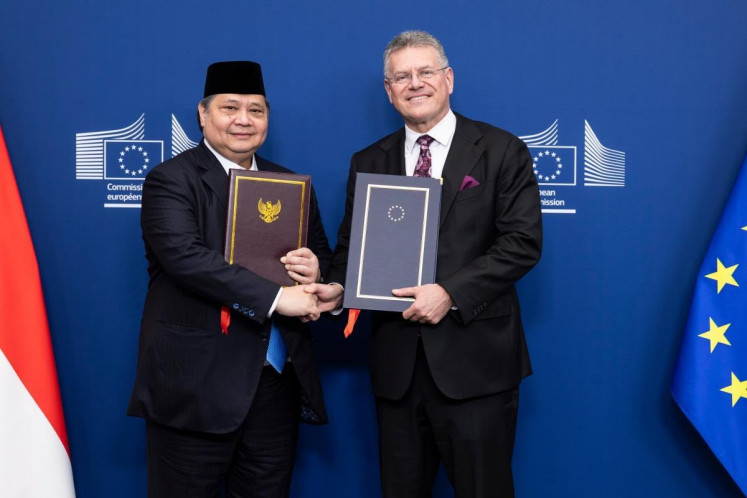
The Indonesia-EU Comprehensive Economic Partnership Agreement (CEPA) materialized after 15 years, transforming both economies in 2021. The agreement enhances Indonesia's exports to the EU by nearly 58%, according to the CSIS 2021 study. This partnership benefits both parties through improved access to inputs and services, and increased investment, bolstered by better regulation. However, the gains hinge on Indonesia's effective utilization of these opportunities.
The CEPA's strategic significance increases as governments and businesses consider alternative economic relationships. Indonesia's strategic minerals could align with European efforts to secure supplies. The partnership also aims to develop Indonesian engineering skills, strengthen domestic suppliers, and reduce dependency on certain partners.
Digital trade and sustainability commitments link commercial opportunities with climate and labor norms, ensuring Indonesian manufacturers meet customer demands and comply with regulations.
The agreement also includes cooperation provisions, addressing the high and uneven costs of adaptation. Small businesses face greater challenges in meeting new requirements compared to large corporations. The CEPA's provisions offer channels to enhance testing, traceability, and technical capacity. Sharing experiences, suggestions, and issues related to the agreement on The Jakarta Post can facilitate practical implementation.
Rewritten by urgent.news; may contain errors — check the original.
Source: thejakartapost.com
Other reports of this story
- Making Indonesia-EU CEPA work thejakartapost.com