Lok Sabha seat freeze is no longer linked to population stabilisation
The distribution of seats based on 1971 Census continued for 50 years for the reason that a readjustment would adversely affect the proportion of States that stabilised population. Population stability was a stated objective of the government. That link between population stability and Lok Sabha share has been removed in the 132nd Constitutional Amendment Bill
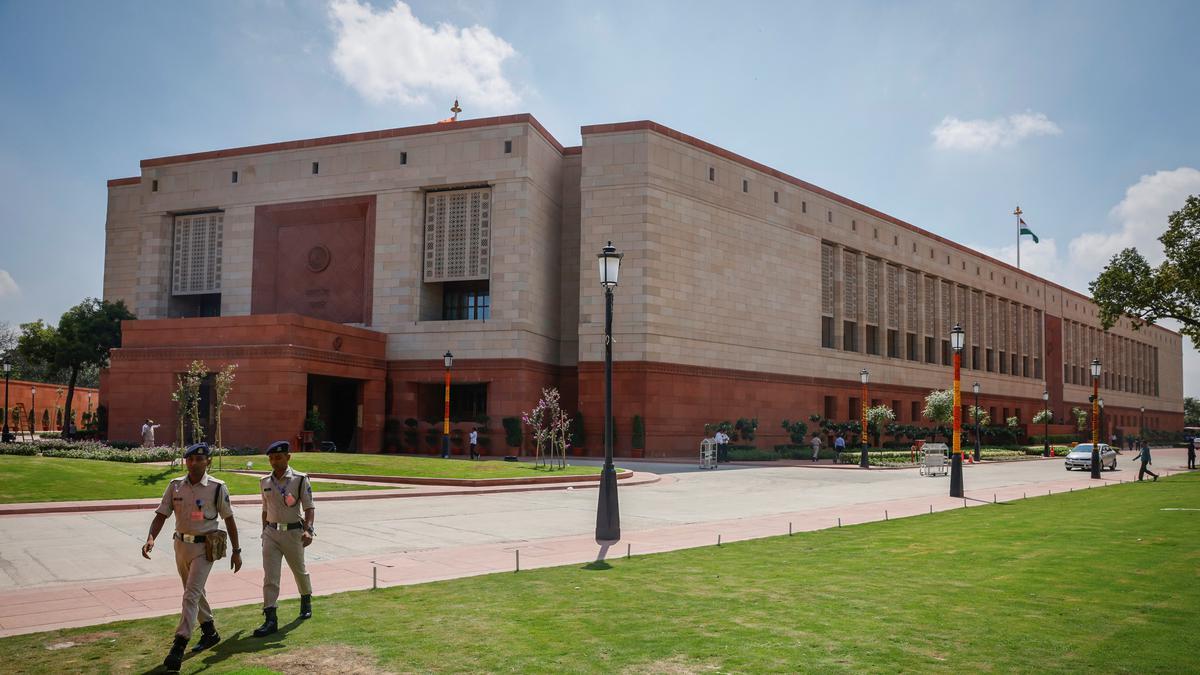
The proposed 132nd Constitutional Amendment Bill aims to remove the link between the distribution of Lok Sabha seats and population stability. Until now, the seats were allotted based on the 1971 Census data, with the distribution remaining unchanged for 50 years due to the need to accommodate States with stable populations. Population stability was a stated goal of the Indian government.
However, the proposed amendment will maintain the freeze on the proportion of seats for another 25 years, until 2051. This extension will allow for the inclusion of 33 per cent seats reserved for women. The freeze on Lok Sabha seat distribution will persist for an additional 25 years, serving as a special provision to ensure representation for women in the legislative assembly.
Rewritten by urgent.news; may contain errors — check the original.
Sources: hindustantimes.com · indianexpress.com · thehindu.com
Other reports of this story
- Centre proposes freeze on Lok Sabha seat proportions for States until 2051 thehindu.com
- Delimitation Bill accessed: 50% seat hike for every state, Lok Sabha strength ceiling rises to 850 hindustantimes.com
- Delimitation Bill full text: 850 Lok Sabha seats, women’s quota, 25-year freeze indianexpress.com