La memoria del fuego
Conoce cómo el uliche, el atole agrio y otras recetas tradicionales preservan los saberes indígenas, la memoria familiar y el patrimonio culinario de México.
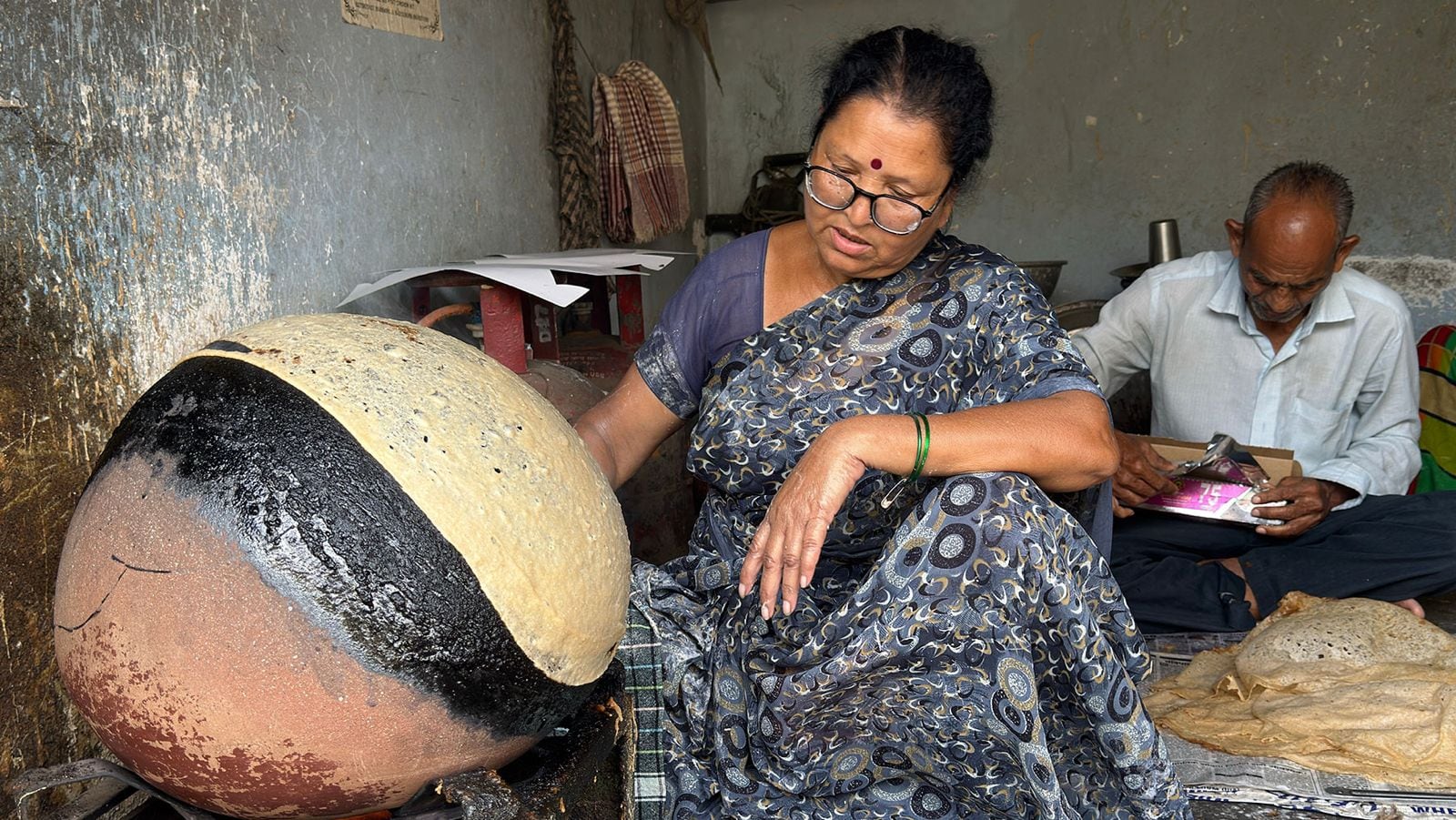
In November, during a visit to Tapotzingo, a community in the municipality of Nacajuca, Tabasco, the reporter encountered the workshop of Geronina Rodríguez Jerónimo. Geronina is an artisan specializing in working with natural fibers. As they discussed her craft, she and her mother presented uliche, a chicken soup thickened with maize dough served in a dark, earthenware pot.
The reporter was intrigued by the pot, noting its dark color, which suggested the pot had been exposed to smoke for a long time. The uliche is traditionally served during the feast of the 2nd of November, when families gather to remember their deceased loved ones. The consumption of uliche extends throughout November. The reporter pondered the multitude of knowledge encapsulated in this single dish, from the cultivation and processing of maize to the mastery of pottery, fire management, and familiarity with a ritual calendar that determines what, when, and for whom meals are prepared.
The reporter realized that recipes can specify quantities and timings with precision, yet they often fail to capture the subtle nuances that give an ingredient its character, such as the consistency of a dough, the stage of fermentation, or the reason why a particular food is associated with a specific celebration. In San Antonio Acahualco, Mexico, a 2025 study on sour atole documented how domestic life transformations have influenced the consumption of this beverage among Otomí families.
Some women recalled preparing the atole more often when their children still lived at home, indicating that a family's culinary repertoire is closely tied to its composition, living dynamics, and the needs of its members. When such circumstances change, certain foods lose the role they have held for generations in daily life. Maize fermentation is also part of the Mazahua culinary repertoire, as demonstrated by sendechjo, a drink made from sprouted grains.
In San Nicolás Guadalupe, a study documented its preparation based on testimony from a woman who learned it from her grandparents. Germination, milling, and fermentation involve interpreting changes in matter that do not always align with a schedule or a written measure; they require sensitivity to temperature, aroma, and consistency, revealing the sophistication of knowledge built over centuries of experimentation.
A different expression of this culinary memory is found in Chicontepec, Veracruz, where traditional baking research identified five families as custodians of specialized knowledge, whose continuity is threatened by aging bakers, migration, and lack of generational succession. During the Xantolo festival, panes are baked featuring figures of dolls, pigeons, and baskets, but offerings may also include those favored by the deceased.
The significance lies in the fact that, even after death, a person's gastronomic preferences remain in the memory of those who knew them. Like the uliche from Tapotzingo, these panes are part of an affective calendar where cooking is a way of remembering. Mexican cuisine is a result of centuries of exchanges, migrations, and reinterpretation of ingredients and techniques, and much of its richness lies in its capacity to transform.
However, it is important to distinguish between the natural evolution of a tradition and its abandonment due to circumstances that prevent its continuity, whether due to the disappearance of a crop, low remuneration of an occupation, or the need to emigrate for better living conditions. Even the substitution of a utensil or the disappearance of a hearth can alter our relationship with food, as cooking tools condition temperature, aroma, texture, and procedures, as well as the way we learn to interpret the behavior of ingredients.
The material culture of a society serves to preserve and transmit its collective intelligence. Documenting traditional recipes is essential, but ensuring their continuity requires creating conditions for those who possess this knowledge to teach it without compromising their livelihood and for others to find reasons to incorporate it into their lives.
Transmission does not have to be limited to the family sphere: an apprentice, a neighbor, or someone discovering economic opportunities in these crafts can contribute to their continuity. Before leaving Geronina and her mother, the reporter looked at the pot once more, reflecting on the generations, hearths, and Thanksgiving dinners that had contributed to the uliche reaching the reporter's table.
Perhaps one of the most delicate paradoxes of our culinary heritage is that knowledge built over centuries can disappear in a single generation when there is no one left to reignite the fire.
Rewritten by urgent.news; may contain errors — check the original.
Source: elfinanciero.com.mx