Justice must serve the people, legal leaders say as Singapore marks 200 years of rule of law
“Justice must make a meaningful difference to people's lives,” says Law Minister Edwin Tong, as Singapore's legal and judiciary leaders reflect on access to law and challenges ahead.
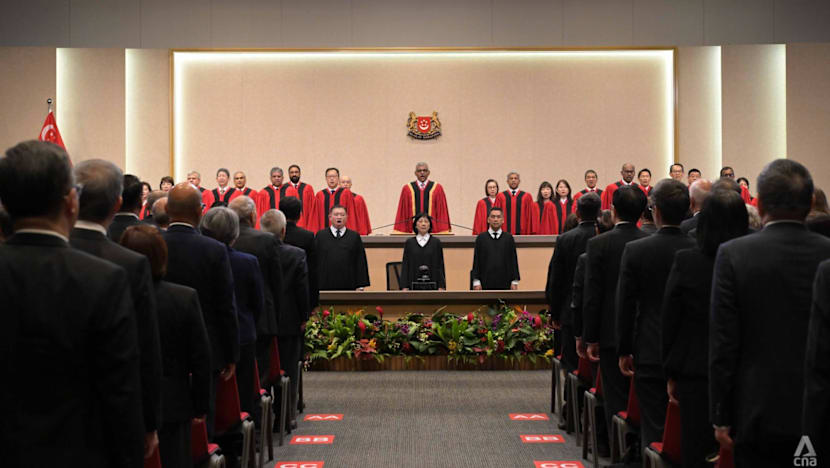
Singapore commemorates 200 years of rule of law as legal leaders stress importance of serving people
SINGAPORE: As the nation marks the bicentennial of its rule of law, legal and judiciary leaders in Singapore emphasized on Friday that the law and its institutions must be centered around the needs of people. Law Minister Edwin Tong highlighted that the effectiveness of Singapore's legal system should be judged by whether people can comprehend their rights, receive necessary assistance, and receive practical remedies.
Justice must make a meaningful difference to people's lives, he asserted, stressing that the rule of law serves the people.
Tong flagged the law ministry's initiatives to broaden legal aid, institutionalize criminal defense aid, simplify dispute resolution, and enhance the enforcement of court orders. The purpose is to ensure justice achieves meaningful impact on people's lives, he explained. Singapore's legal system is set to enter its third century, with Chief Justice Sundaresh Menon stressing that the judiciary must consistently evaluate how its processes affect users.
Efforts have been made to make court procedures more accessible and understandable, including unifying communications, outreach, and service delivery under one division. The Access to Justice Division and the Office of Transformation and Innovation have also been established to eliminate obstacles faced by users and modernize processes using technology.
Attorney-General Lucien Wong emphasized that the rule of law must work in practice, requiring clear and stable laws, independent and effective courts, equality, accountability before the law, and public powers within legal limits. The law must evolve with society, addressing areas like cybersecurity, online safety, racial harmony, scams, platform workers, and workplace fairness.
Looking ahead, Chief Justice Menon identified preserving public trust as a key challenge, recognizing that polarisation and disinformation could weaken judicial decisions' legitimacy. Artificial intelligence presents both opportunities, such as widening access to justice, and risks, such as uncritical reliance and concealment of serious errors, according to Menon.
Legal leaders in Singapore recognize the need to adapt to societal changes, technological advancements, and geopolitical tensions while preserving the integrity and effectiveness of the rule of law.
Rewritten by urgent.news; may contain errors — check the original.
Source: channelnewsasia.com