Justice delayed: why the Rohingya verdict may change little on the ground
There were cheers, tears and prayers across the world’s largest refugee settlement in Cox’s Bazar when the International Court of Justice pronounced Myanmar responsible for genocide against the Rohingya. Who can grudge their moment after what they have endured? It is a bitter-sweet moment, nevertheless. To have the wrongs against them acknowledged reaffirms their basic humanity. However,…
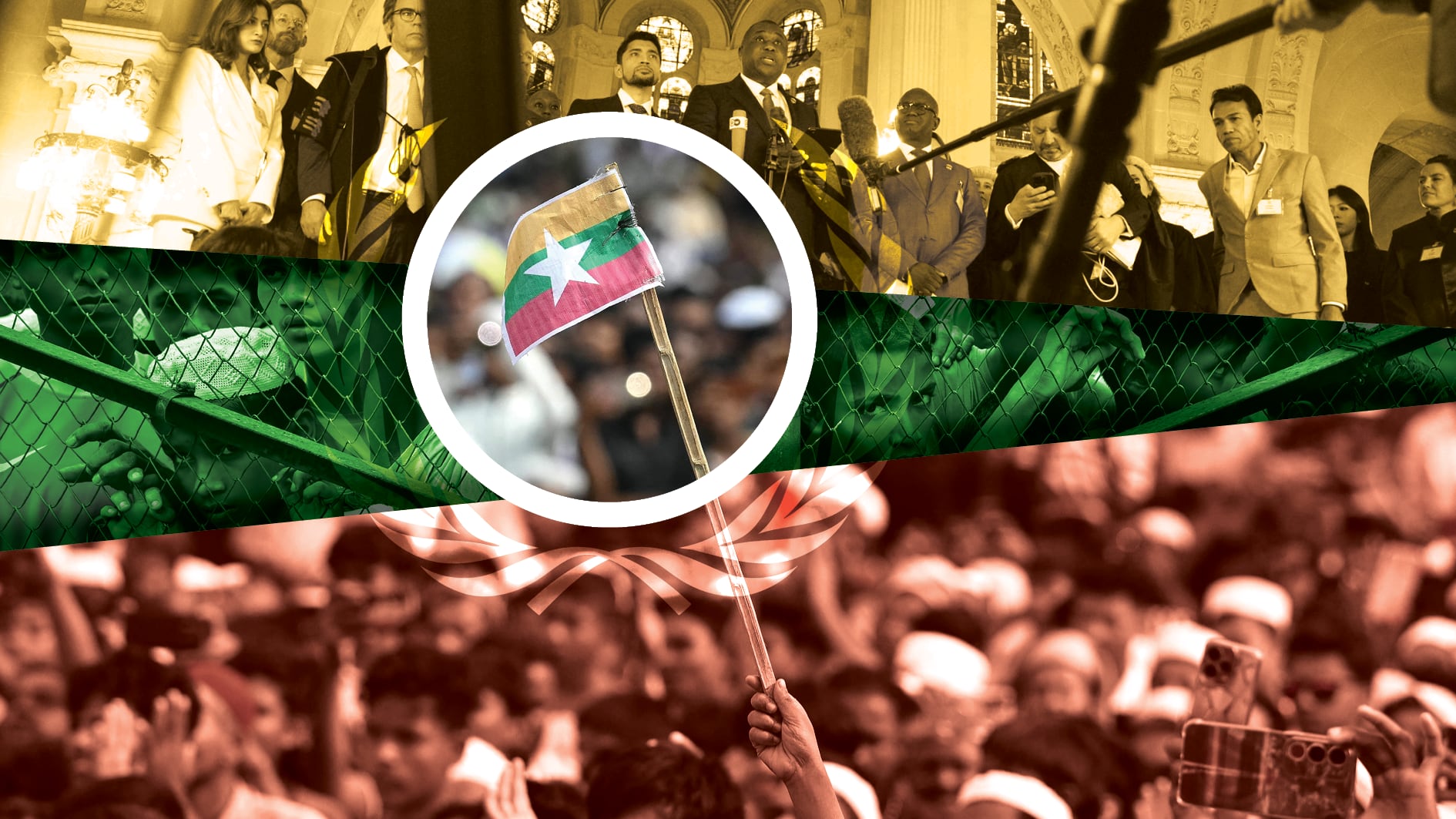
The International Court of Justice (ICJ) has ruled that Myanmar is responsible for genocide against the Rohingya, marking a significant moment for their persecuted community. However, the verdict may not bring about the desired changes on the ground for the Rohingya. The court acknowledged the Rohingya as a distinct ethnic group worthy of protection under the Genocide Convention, but it did not confirm their indigenous status to Myanmar.
This has raised concerns, as the court declined to order restoration, leaving the Rohingya stateless despite the proof of their destruction. The practical implications of the ICJ's decision are further complicated by the fact that the current government in Myanmar does not control the Rohingya homeland, which is now under the control of the Arakan Army.
Additionally, the ICC is yet to make a decision on the matter, and enforcement of the ICJ's order is likely to be challenging due to the reluctance of international parties to provide assistance, as well as the political divisions within the UN Security Council. Ultimately, the Rohingya's journey towards restorative justice appears to be long, uncertain, and fraught with obstacles.
Rewritten by urgent.news; may contain errors — check the original.
Source: thenationalnews.com
This story
This is one outlet's version. Read the fullest account.
- Justice delayed: why the Rohingya verdict may change little on the ground thenationalnews.com