Is a blood pressure reading of 130/79 mmHg normal for a 57-year-old?
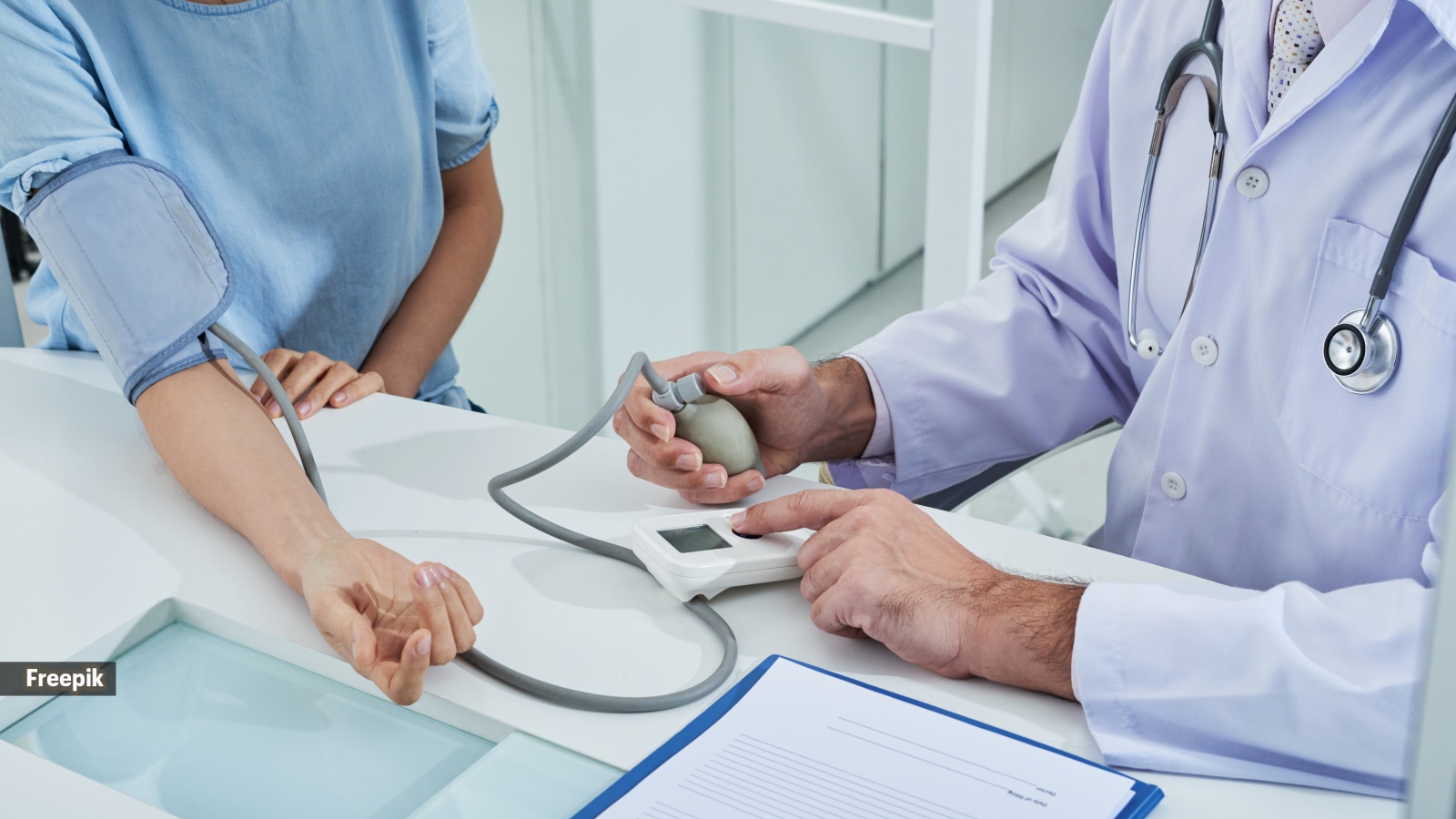
The question of whether a blood pressure reading of 130/79 mmHg is normal for a 57-year-old individual is one that warrants careful consideration. Blood pressure, a key indicator of cardiovascular health, is often misunderstood, especially when it straddles the boundary between normal and elevated ranges. This becomes particularly pertinent as we age, underlining the importance of monitoring our heart health.
A Quora user recently pondered the implications of a BP reading of 130/79 for someone in their late 50s. To shed light on this matter, we consulted Dr Aseem Dhall, Director and Head of Cardiac Sciences at ISIC Multispeciality Hospital. Dr Dhall clarifies that while a reading of 130/79 mmHg in a 57-year-old might not immediately raise red flags, it shouldn't be dismissed either. "Blood pressure fluctuates throughout the day, and a single measurement is insufficient to diagnose hypertension," he advises.
The classification of blood pressure can vary based on the medical guidelines in use. For instance, according to some international standards, a systolic reading of 130 falls under Stage 1 hypertension, whereas Indian guidelines typically set a higher threshold for such classification. Thus, drawing conclusions from a single reading is not advisable. Rather, it's essential to consider multiple measurements and overall cardiovascular risk factors.
A systolic reading of 130, even with a diastolic reading of 79, is indicative of Stage 1 hypertension under American guidelines. However, this alone does not automatically equate to hypertension. Instead, doctors take into account repeated readings, overall health status, and other risk factors before making a diagnosis. For a 57-year-old, it's crucial to seek medical advice if blood pressure readings consistently reach 140/90 mmHg or higher.
However, individuals with underlying conditions like diabetes, kidney disease, heart disease, or a family history of cardiovascular issues might need an earlier assessment, even at lower readings. Readings above 180/120 mmHg demand urgent medical attention, particularly if accompanied by symptoms such as chest pain, breathlessness, severe headache, vision changes, confusion, or weakness. In such cases, immediate medical evaluation is critical.
The question of whether a consistent BP reading of 130/79 mmHg necessitates medication is nuanced. While such a reading does not invariably require blood pressure medication, the decision depends on the individual's overall cardiovascular risk, medical history, and the presence of conditions like diabetes or kidney disease. Often, lifestyle modifications stand as the first line of defense.
These include reducing salt intake, adopting a balanced diet, engaging in regular physical activity, maintaining a healthy weight, abstaining from tobacco, and effectively managing stress. Regular monitoring and medical follow-ups are vital, with medication only to be initiated upon a doctor's recommendation.
Rewritten by urgent.news; may contain errors — check the original.
Source: indianexpress.com
This story
This is one outlet's version. Read the fullest account.
- Is a blood pressure reading of 130/79 mmHg normal for a 57-year-old? indianexpress.com