In the Shadow of the Afghanistan-Pakistan Border
Among the bombed-out houses along the border, there was no justice to be found, only ruins, lost lives, and people living in the shadow of conflict.
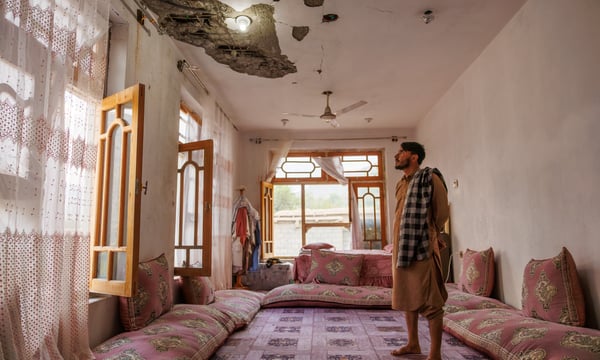
In early 2026, the Afghan-Pakistan border region witnessed renewed conflict. Afghan villages on the frontier saw sporadic gunfire, and by the time journalist Gergely Szabo Hoang Viet arrived in June, hostilities had largely ceased. Villagers gradually returned to their homes and began repairing the damage left behind. However, the fragile peace was underpinned by the fact that neither side had laid down its arms.
The border, known as the Durand Line, was established in 1893 by British India and the Afghan emirate, dividing Pashtun communities despite their shared ethnicity. The dispute adds to the tension, but the main cause of the fighting is the Tehreek-e-Taliban Pakistan (TTP), a Pakistani Taliban group accused by Pakistan of operating from bases in Afghanistan.
Afghanistan's Taliban rulers deny supporting the TTP and view the cross-border attacks as violations of Afghan sovereignty. In early 2026, the fighting resumed with artillery attacks and Pakistani airstrikes inside Afghanistan, resulting in 56 civilian deaths and 129 injuries according to the UN Assistance Mission in Afghanistan (UNAMA).
The journalist's journey into the Kunar Valley, the border province hit hardest by the fighting, revealed the toll on civilians. The journalist experienced a checkpoint where he was temporarily detained and questioned due to his appearance, which led to a tense standoff with border guards. Upon reaching the valley, he encountered the Taliban authorities who facilitated his passage, and later visited a UNICEF camp where around 300 children had taken refuge from the conflict.
Rewritten by urgent.news; may contain errors — check the original.
Source: thediplomat.com