In AI battleground, capital follows talent, talent follows opportunity

In recent weeks, the tech world has experienced significant changes: the Nasdaq fell by 5.5%, $2.5-3 trillion was erased, Nikkei and Kospi fell about 6%, Jensen Huang resigned from Nvidia, and Nvidia faced its seventh weekly loss. Anthropic was listed at $83 a share, about $1.5 trillion, and Huang was reinstated, causing Nvidia's stock to rise by approximately 30%.
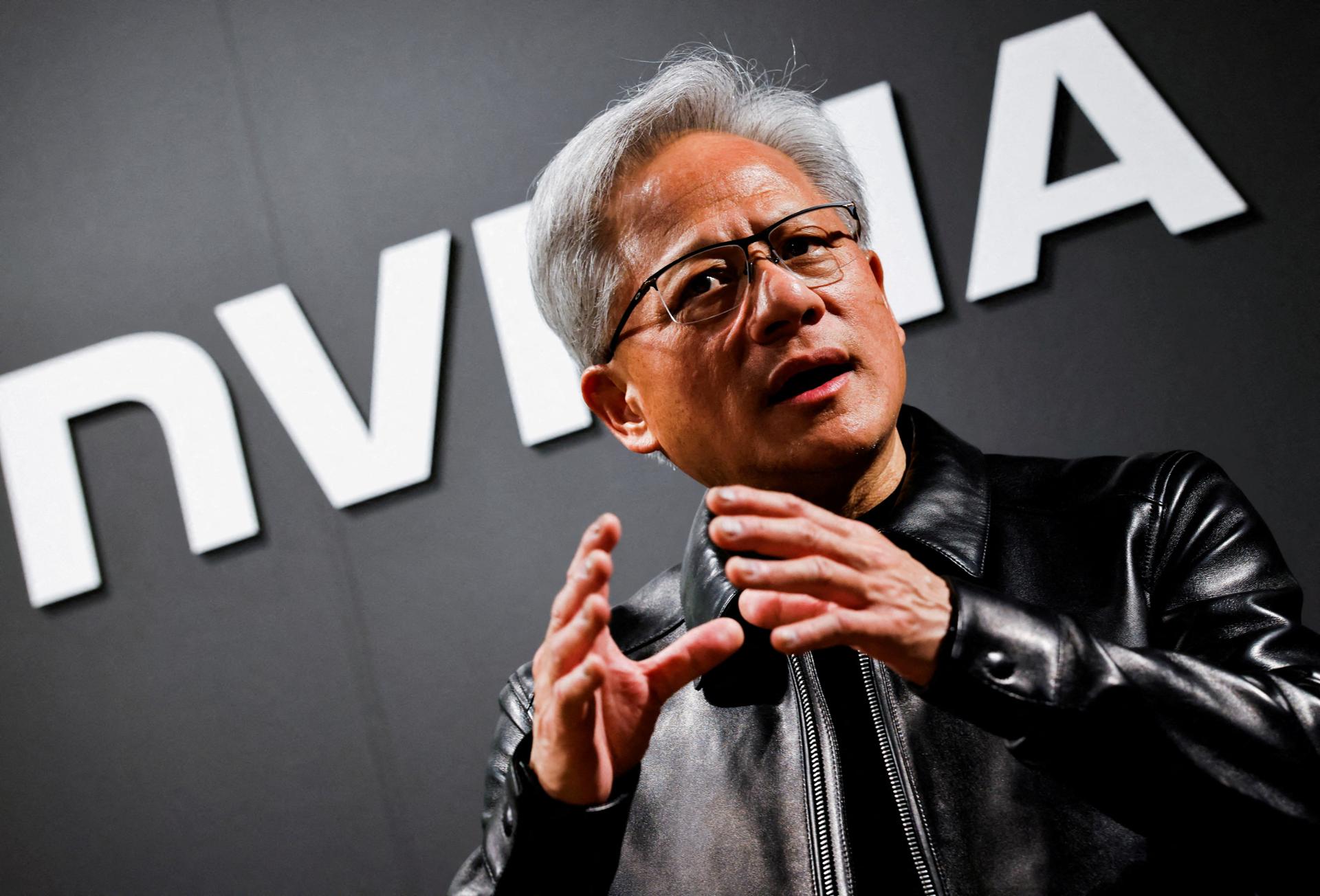
The common thread in all these changes is talent and builders, whose value is often undervalued by the market. The reinstatement of Huang as president and CEO of Nvidia led to a 30% increase in the company's stock price, with Nasdaq also rising by around 7%. Despite the fact that no transistors changed between the two days, the market's confidence in the people who build these technologies caused the price to move.
Anthropic's listing at a valuation of about $1.5 trillion showed that the technology sector is highly sensitive to talent. With 5,300 employees, Anthropic's revenue grew from $4.6 billion in 2025 to $16.3 billion in the first half of 2026. However, the company faces challenges such as rivals directly soliciting its employees and the potential impact of its equity awards becoming less effective.
The market has responded to this talent risk, with Nvidia's stock falling for seven weeks before rebounding. Anthropic's listing demonstrates that capital flows to where talent is located, and talent goes to where opportunities are. India, despite being short of AI companies, is a significant player in the AI industry with a high number of AI authors and inventors.
However, there is a large net outflow of AI talent from India. To capture the upside of investments, jobs, and Gross Value Added, India must create opportunities for its talent and own the arc of the AI industry.
Rewritten by urgent.news; may contain errors — check the original.
Source: indianexpress.com