‘Imperfection is everywhere. It is a great element’: Yuko Mohri on her exhibition of found objects at London's Barbican
Salvage, repair and flux are keynotes for the Japanese artist's installations
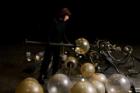
Yuko Mohri, the Tokyo-based multidisciplinary artist, has been making waves in the art world after winning the 2025 Calder Prize. Her recent exhibition at London's Barbican Centre's The Curve gallery is a testament to her innovative approach. The highlight of the exhibition, "In Concert," showcases a series of site-responsive kinetic and sound installations created from objects Mohri found around the Barbican.
These objects, which were either stored away or almost discarded, breathe new life into the history and memories of the renowned cultural center, which will undergo a £191 million renovation ahead of its 50th anniversary in 2032.
Mohri stresses that imperfection is a crucial aspect of her work. She believes that imperfection is more profound than a picture-perfect scenario. The Barbican Centre, with its unique architecture and various departments, offered her a perfect opportunity to explore and incorporate elements that resonate with the space. The artist spent time washing iconic Barbican lamps, collecting old speakers from the Barbican, and gathering discarded metal junk pieces from a workshop.
She reappropriated these items as triggers for the lamps in her installations, creating a dynamic and ever-changing exhibition.
Through "In Concert," Mohri aims to repair and adjust the elements of her installations, much like a conductor adjusting the tempo or volume of musical instruments. The title itself, "In Concert," reflects the Latin root consertare, which carries the meaning of repair and adjustment. This process mirrors the installation-making process, where adjustments are made throughout the creation.
The exhibition is not a final product but an ongoing process that evolves with the audience's presence, water leaks, gravity, and the fluidity of space.
Rewritten by urgent.news; may contain errors — check the original.
Source: theartnewspaper.com