I asked Claude Code, Codex, and Google Antigravity to write the same ESP32 firmware, and only one worked on the first flash
The ESP32 wasn't impressed by two of them.
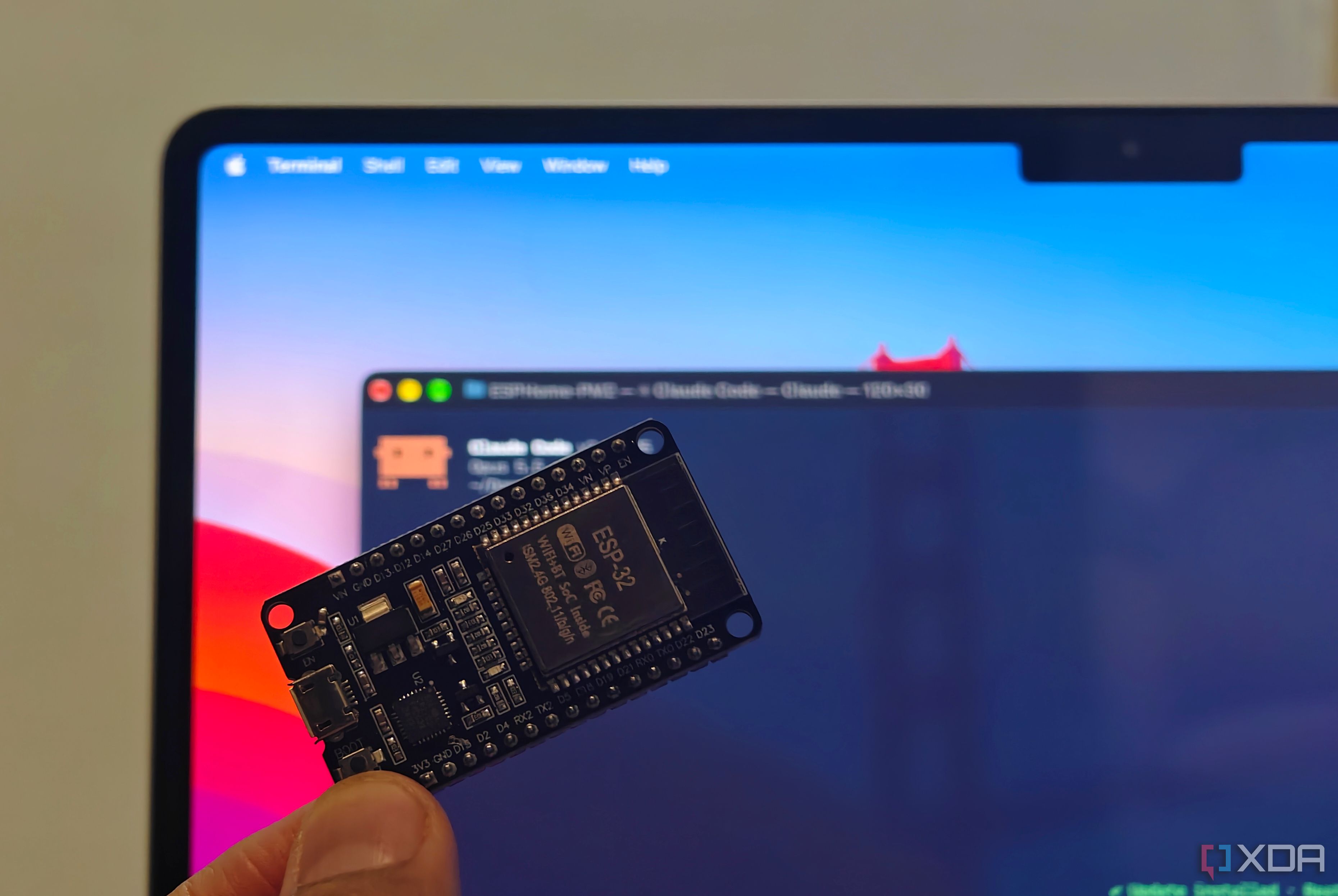
I conducted an experiment to test three coding agents – Claude Code, OpenAI Codex, and Google Antigravity – on their ability to write ESP32 firmware for a specific project. The task involved creating a local web dashboard to control an RGB LED strip over Wi-Fi. The desired features included color and brightness controls, various lighting effects, and settings that persisted after a restart.
After providing the same instructions to all three agents, I tested the generated firmware on the same hardware. Claude Code was the only agent that successfully produced working firmware on the first attempt. It generated a project that required no modifications, and once flashed onto the ESP32, it connected to my Wi-Fi network and hosted the web dashboard. The dashboard functioned as expected, allowing me to change LED colors, brightness, and switch between lighting effects without any issues.
OpenAI Codex came close to completing the task, as its generated firmware compiled successfully and connected the ESP32 to my Wi-Fi network. However, when I tried changing the LED colors, I discovered a fundamental issue – the dashboard was attempting to communicate with the ESP32 using an incorrect endpoint. To resolve this problem, I had to ask Codex for assistance, which then made the necessary adjustments.
Google Antigravity faced a different challenge. Initially, the dashboard seemed functional, and the LED colors could be changed. However, when I switched to one of the lighting effects, the dashboard stopped responding. I realized that the animation code was consuming too much processing power, preventing the web server from handling requests. To fix this issue, I needed to provide Antigravity with additional guidance.
In conclusion, Claude Code proved to be the most reliable coding agent for this project, delivering working firmware without requiring further debugging. This experiment highlights the varying capabilities of coding agents when handling real-world firmware development tasks and demonstrates the importance of a well-defined project scope for successful automation.
Rewritten by urgent.news; may contain errors — check the original.
Source: xda-developers.com