Hyderabad’s air pollution puts focus on hospitals; doctors call for city-level health database
Hospitals want to share anonymised data on respiratory illnesses, strokes and cardiovascular conditions, while doctors propose using daily AQI readings to alert vulnerable patients
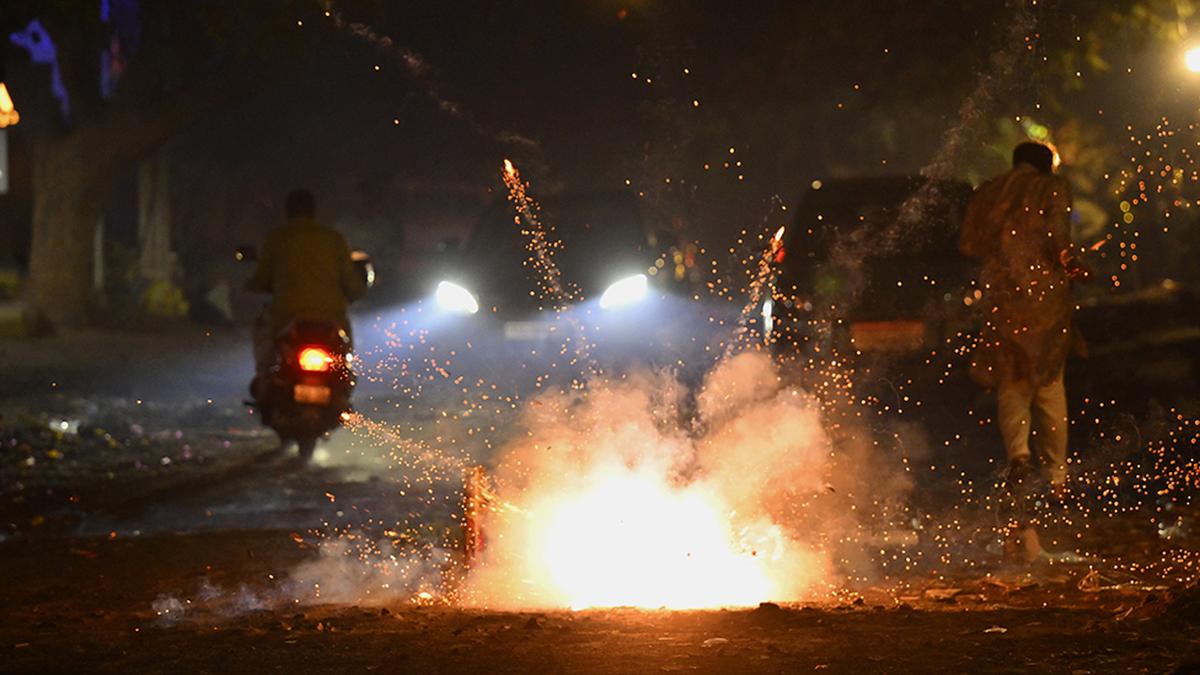
With Hyderabad's Air Quality Index (AQI) soaring above 300 during Deepavali and other days displaying poor air quality, healthcare professionals have urged hospitals to collaborate on tracking pollution's health impacts and developing a city-level database for policy-making. The issue came to light during a panel discussion titled "Impact of Mobility on Air Quality and Public Health" held at Cyberabad Moves.
Doctors emphasized that pollution's effects extend beyond respiratory issues, also affecting cardiovascular health and increasing stroke risks.
Pawan Mukulutla of WRI India moderated the discussion, emphasizing that congestion is merely one visible consequence of people's travel habits. The less visible costs include exposure to polluted air, unsafe roads, and the absence of pedestrian infrastructure. Citing an AQI of over 300 on Deepavali, Dr. Sudheer Vinnamala, Regional Medical Director of KIMS, proposed a city-level health database where hospitals share anonymized data on respiratory illnesses, strokes, and cardiovascular conditions with public health authorities.
He argued that without measurement, management is impossible, highlighting the database's potential to identify vulnerable groups and clarify the relationship between air quality and health outcomes.
Dr. Vishwanath Gella, a pulmonologist at AIG Hospitals, explained that pollution impacts both those with pre-existing health conditions and the general population. He noted an uptick in asthma, respiratory infections, and other lung-related complaints during poor air quality episodes, particularly around Deepavali and in winter.
Dr. Shailaja Tetali of the Public Health Foundation of India shared research indicating that 80% of children live within a two-to-three-kilometer radius of their schools, primarily traveling by public transport, walking, or cycling. While active travel offers health benefits, these children are also exposed to roadside pollution and face road safety risks.
She advocated for improving infrastructure around schools to address these concerns and called for authorities to act on existing evidence rather than continually initiating studies.
Orthopaedic surgeon Dr. Gurava Reddy of KIMS-Sunshine Hospitals linked poorly designed roads and junctions to accidents, citing inadequate visibility, obstructed sightlines, and sudden turns as contributing factors. He suggested that better road engineering could enhance safety without significant investments, provided authorities prioritize design improvements.
The panel discussed the responsibility of hospitals and other large establishments, which generate considerable traffic through patients, visitors, and employees. They argued that medical institutions could mitigate unnecessary trips through optimized appointment scheduling, shared transport options, and last-mile connectivity.
Rewritten by urgent.news; may contain errors — check the original.
Source: thehindu.com
This story
This is one outlet's version. Read the fullest account.