Holding climate science hostage: inside the IPCC deadlock
The obstacles facing the IPCC have changed over time. But procedural delays in diplomacy are never neutral: pushing the IPCC’s Seventh Assessment Report beyond 2028 directly benefits four centers of power.
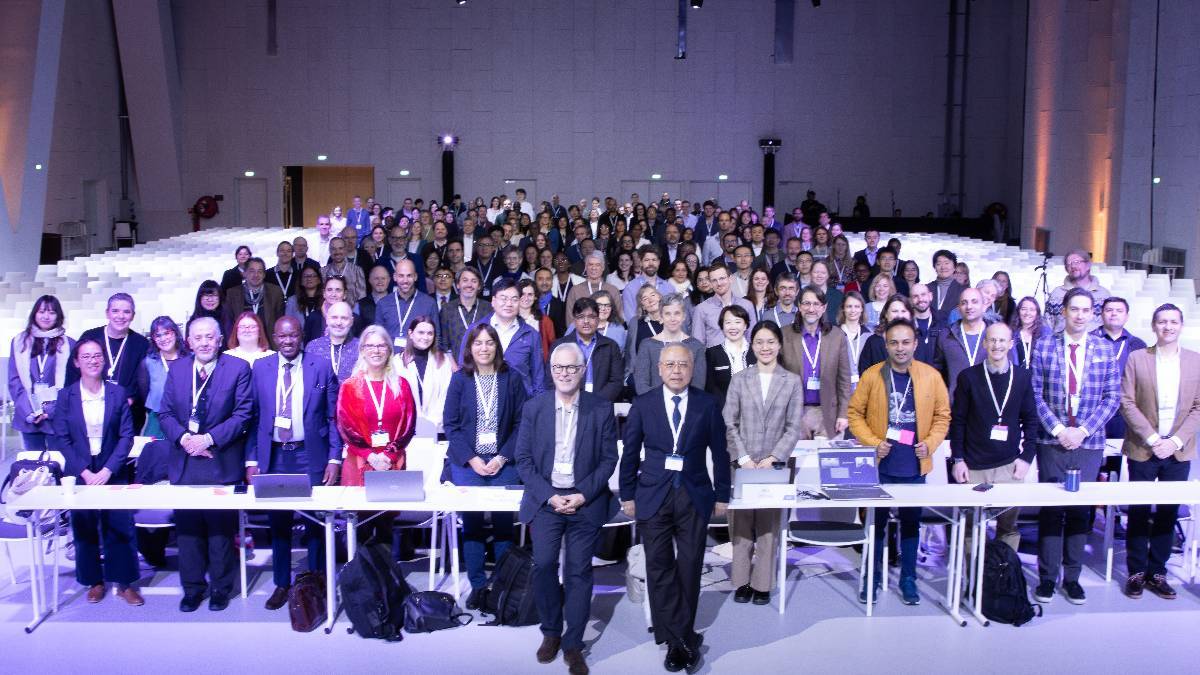
The Intergovernmental Panel on Climate Change (IPCC), founded in 1988 by the World Meteorological Organization and the United Nations Environment Programme, is the leading scientific authority on climate change, compiling input from thousands of independent researchers through rigorous peer-reviewed studies. Despite having guided climate policy for over three decades, governments have increasingly obstructed the IPCC's work, culminating in a deadlock at the panel's 65th Plenary Session in Addis Ababa in October 2026.
For the sixth consecutive session since early 2024, governments failed to agree on a timeline for releasing the key volumes of the Seventh Assessment Report (AR7) and approved a budget, leaving the IPCC Trust Fund at risk of depletion by 2028. This procedural obstruction signifies a shift in geopolitical strategy, where countries are using UN consensus rules to delay the delivery of updated scientific information to policymakers and the public.
The stakes are high, as the upcoming Global Stocktake in 2028 will assess progress towards the 1.5°C climate target, and critical decisions on national climate pledges depend on the latest IPCC data. The deadlock threatens the scientific accuracy of future climate policies and puts additional pressure on vulnerable nations most affected by climate change.
Rewritten by urgent.news; may contain errors — check the original.
Source: bianet.org