Harvard’s tiny UV light chip could help shrink quantum computers
Harvard-led researchers have developed a microscopic device that generates 120 times more ultraviolet light than previous comparable approaches by efficiently converting red light into UV. The breakthrough could unlock smaller quantum computers, ultra-precise atomic clocks, and compact environmental sensors.
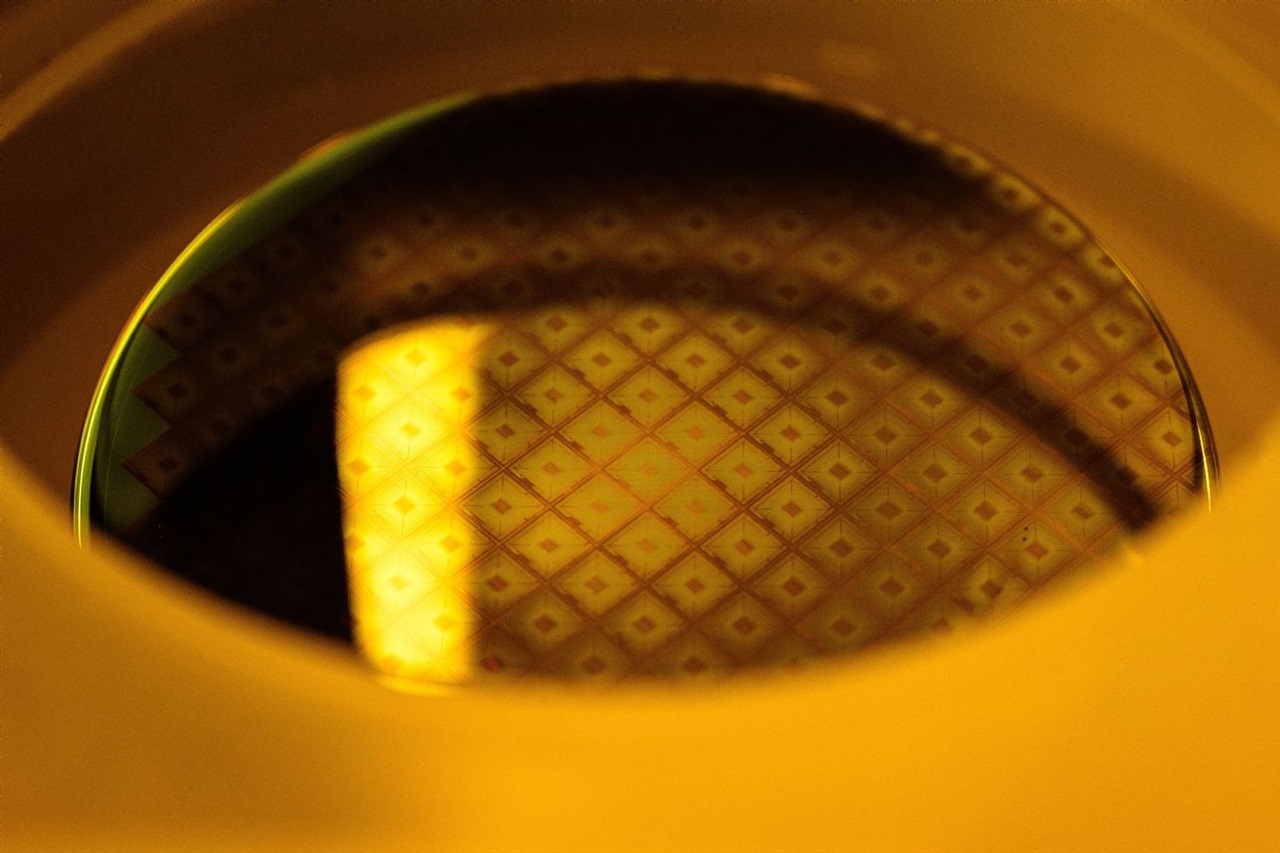
Ultraviolet (UV) light plays a critical role in many modern technologies, from disinfecting surfaces to manufacturing computer chips. However, shrinking UV light sources to fit on a chip has proven challenging due to the rapid loss of power as light travels through optical waveguides. A Harvard-led research team has now created a microscopic photonic device that generates approximately 120 times more UV power than previous comparable devices, potentially enabling smaller quantum computers and ultra-precise atomic clocks.
The researchers achieved this breakthrough using thin-film lithium niobate, a material well-suited for frequency upconversion, which converts red light to higher-energy ultraviolet light within the chip itself. By employing a technique called "sidewall poling," the researchers were able to precisely control the orientation of crystal domains along the waveguide, resulting in significantly improved light conversion efficiency.
Rewritten by urgent.news; may contain errors — check the original.
Source: sciencedaily.com