GHEL, EPA turn to hydraulic dredging to tackle galamsey damage
Ghana Heavy Equipment Limited (GHEL) and the Environmental Protection Authority (EPA) are exploring the use of hydraulic dredging technology to remove accumulated sediments from polluted rivers and reclaim lands devastated by illegal mining.
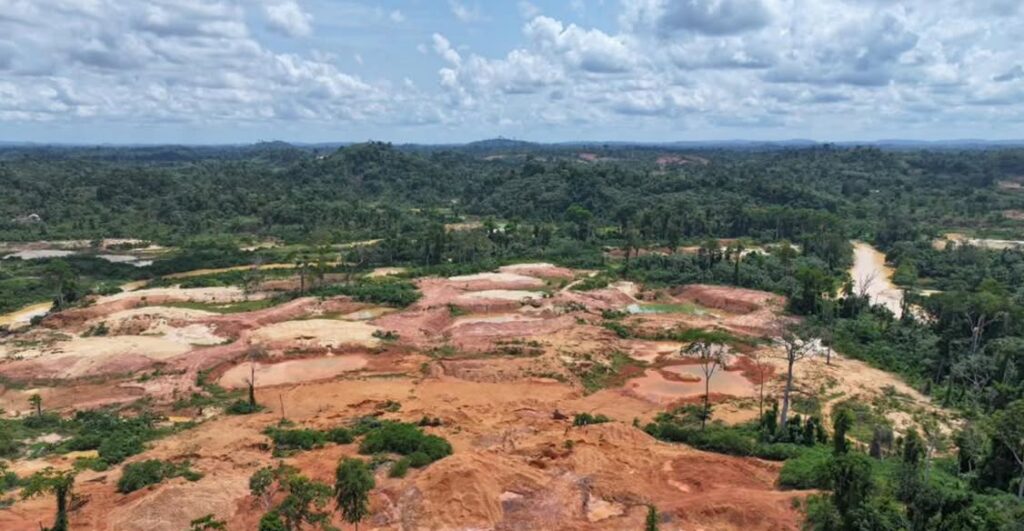
Ghana Heavy Equipment Limited (GHEL) and the Environmental Protection Authority (EPA) are considering the use of hydraulic dredging technology to clean up polluted rivers and restore lands ravaged by illegal mining. This joint effort, which was discussed at the Water Restoration Management Framework launch in Ho, aims to combine the EPA's environmental regulation, scientific research, and engineering skills with GHEL's machinery and engineering expertise.
The framework, set for discussion from November 26-28, 2026, seeks to provide a coordinated approach to tackling the destruction of river systems, agricultural lands, and other natural resources. During the discussions, EPA Chief Executive Officer Prof. Nana Ama Browne Klutse and GHEL's Awal Mutalib focused on hydraulic dredging as a potentially more cost-effective method of removing sediment and debris compared to traditional techniques involving excavators and trucks.
The proposed plan involves using cutter-suction dredgers, high-capacity pumps, and pipeline systems to extract sediments, which can then be transported to designated reclamation sites. Amphibious excavators and other earthmoving machinery would be employed in challenging environments, such as shallow waterways, marshlands, and hard-to-reach riverbanks.
While the specific technology and methodology may vary depending on technical, environmental, and geotechnical assessments, the goal is to clear river channels, rehabilitate damaged riverbanks, and reclaim lands affected by illegal mining. GHEL would supply machinery, engineering know-how, and equipment transportation, while the EPA would offer regulatory oversight, technical guidance, and environmental monitoring.
The initiative also seeks to engage other technical institutions like the Council for Scientific and Industrial Research (CSIR) to provide scientific research, material testing, and environmental monitoring. If successful, the partnership could lead to lasting improvements in water quality, reduced agricultural damage, and a more efficient approach to addressing the ongoing environmental impact of illegal mining in Ghana.
Rewritten by urgent.news; may contain errors — check the original.
Sources: adomonline.com · myjoyonline.com