FTX perdió la cuenta de quién era el dinero. ¿Sabes qué parte de lo que manejas le pertenece a otros?
La caída de FTX y el fraude de Sam Bankman-Fried muestran por qué las empresas deben controlar el dinero de sus clientes y los datos que entregan a la IA.
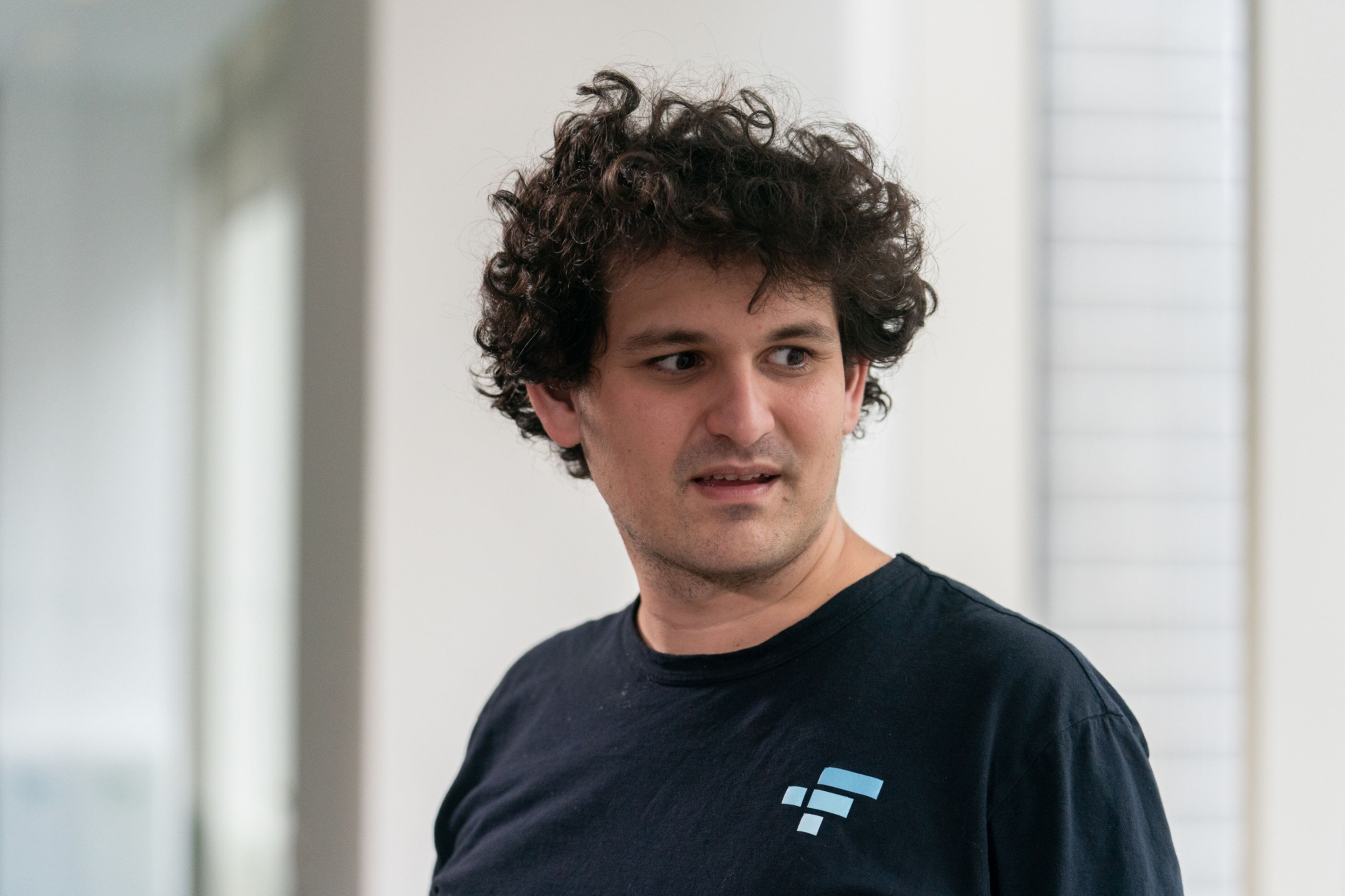
FTX, one of the largest crypto exchanges in the world, lost track of who owned its money. The series The Altruists on Netflix explores the fraud surrounding FTX, which went bankrupt in 2022, leaving a $8.9 billion hole that belonged to its customers. FTX's founder, Sam Bankman-Fried, was sentenced to 25 years in prison for fraud and conspiracy.
The company's operations were riddled with financial irregularities, including the absence of real accountants and financial statements. The directors spent lavishly on luxury homes, football figure promotions, and presidential campaigns, while losing track of whether the money belonged to them or their customers. The series highlights the concept of "effective altruism," which Bankman-Fried adopted but ultimately proved misguided.
Bankman-Fried donated heavily, but he wasn't clear that the money didn't belong to him. They were investing their customers' money without realizing it. During his prison interview, Bankman-Fried acknowledged that perhaps better accounting could have prevented the abuse of funds. Anthony "CZ" Pomidorov, founder of Binance, and another major crypto exchange, responded negatively to the series, claiming that a scene where Bankman-Fried pressured him for private information about FTX orders never happened.
Ex-FTX operations director Constance Wang stated that Bankman-Fried and Gary Wang founded Alameda Research in 2017, and Caroline Ellison joined an already operational team. Wang also claims that FTX demanded strict office presence, contradicting the series' portrayal of social interactions. Ex-FTX employee Claire Watanabe, who was married to Nishad Singh, the engineering director who pleaded guilty, wrote an essay describing the tragedy, not a spectacle.
Anthropic invested $500 million in FTX in 2020, which was lost when the company collapsed. The investment was valued at between $37 billion and $50 billion, according to various sources, as it was a significant portion of the company's finances. The series serves as a cautionary tale about the risks of handing over sensitive information, such as emails, files, and customer data, to artificial intelligence without understanding who owns what.
Rewritten by urgent.news; may contain errors — check the original.
Source: elfinanciero.com.mx