Etat: Bundestag beschließt Haushalt für 2027
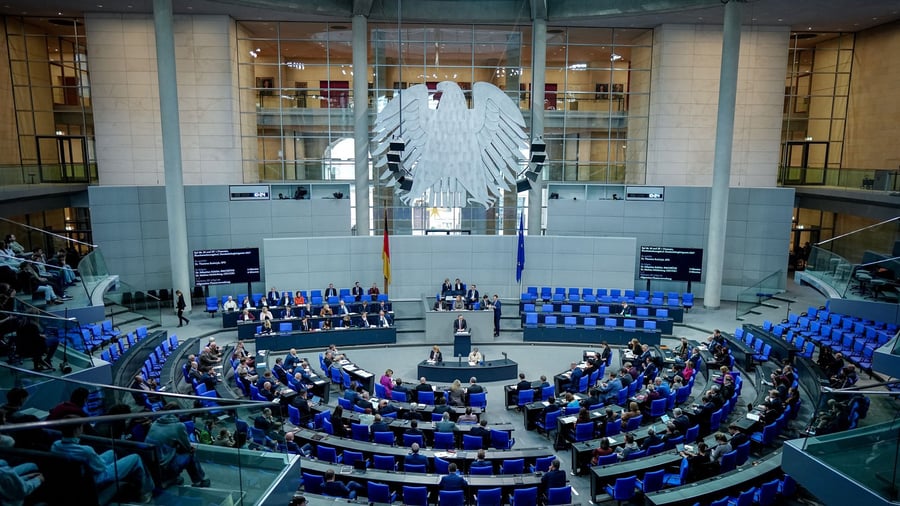
The ruling coalition of Germany, comprising the SPD and the CDU, has finally agreed on the 2027 federal budget. The Bundestag approved the budget, amounting to 556 billion euros in spending, following a prolonged dispute primarily among Union delegates who expressed dissatisfaction. A roll call vote saw 317 members in favor, 260 against, with no abstentions.
Finance Minister Lars Klingbeil warned of the challenging 2028 budget. The SPD leader defended the high new billion-dollar debts, which would primarily be allocated for defense and investments in childcare and kindergartens. The government must foster a self-sustaining growth. "Therefore, 2027 must be the year of private investments."
Opposition criticized the government, with the left-wing leader Ines Schwerdtner accusing the administration of constantly talking about crises and war. She said that millions in the country face their own crises every month when money runs low, but these crises are of no interest to them. There was an unusually lengthy disagreement between the coalition partners over the budget, as the Union insisted on a reduction in the electricity tax for all, which the SPD had previously agreed to.
Chancellor Friedrich Merz of the CDU admitted that the process of establishing this budget had not earned a "beauty prize." The actual federal budget amounts to 556 billion euros, with additional funds coming from special pots. Overall, the Bund now has the most money available in a year, with 123 billion euros financed through debt.
Over a third of the spending goes to the labor and social sectors. Defense is also a priority, with expenditures expected to rise to nearly 140 billion euros, the highest level since the end of the Cold War. The Ukrainian war effort receives 12 billion euros in support. The previously planned cuts in housing benefits and other social benefits were rescinded by the coalition groups.
The special pots include 57.8 billion euros for infrastructure and climate investment, financed through debt of the same amount, and an additional 29.6 billion euros for military investments, including the repair and maintenance of bridges, tunnels, and equipment for the Bundeswehr. Taxes were tightened at the start of the budgeting process, with a 34 billion euro shortfall.
The Union and SPD agreed to some tax increases, now sealed by a supporting law: Alcohol taxes on spirituous liquors such as rum, vodka, or grain will rise by 20 percent, while tax increases for soft drinks like sparkling wine were rejected. The sugar tax, which is not imposed on alcoholic beverages or zero-sugar drinks, is set to take effect in early 2028.
It will apply to beverages containing at least five grams of sugar per 100 milliliters. Three stages are proposed: 25 cents per liter for sugar content between 5 and 7 grams, 30 cents for 7 to 9 grams, and 35 cents for more than 9 grams. The impact on the price of drinks remains to be seen, depending on manufacturers' adjustments.
The largest outstanding issue in the accompanying law is the planned reduction of the electricity tax to the EU minimum. The coalition contract promised the reduction for everyone, but it had been implemented only for industrial and agricultural sectors. Chancellor Merz personally advocated for the reduction to apply to all consumers and businesses, a promise reiterated during the budget discussions.
The cost of this measure is five billion euros, funded only for 2027. Klingbeil hinted that lessons from this process would be learned for the 2028 budget, which is expected to be even more challenging. "We cannot avoid treating people a bit better." However, the SPD faction proposed cutting subsidies by ten billion euros, along with a reform of the income tax, both of which have not been decided due to disagreements between the Union and SPD.
Klingbeil appealed to the coalition not to make this a bargaining chip but to swiftly implement the planned reforms.
Rewritten by urgent.news; may contain errors — check the original.
Source: handelsblatt.com