Delimitation Bill: Decoding The Numbers Game Behind NDA's Fresh Push
In April this year, the Centre failed to get the Constitution amendment Bill linked to delimitation and the implementation of 33% women's reservation passed in the Lok Sabha. Seven months later, the government has convened a special sitting of Parliament, with the proposed legislation once again expected to be at the centre of proceedings. The Bill seeks to facilitate the implementation of 33%…
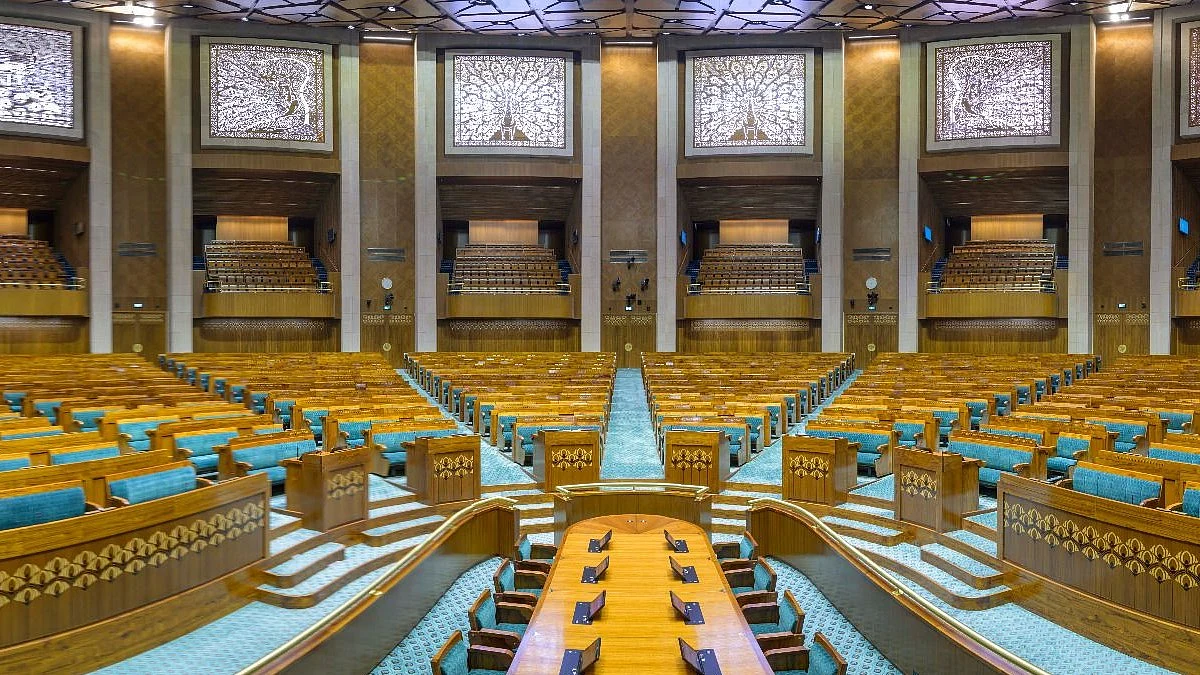
In November 2026, the government of India convened a special sitting of Parliament to push through a proposed Delimitation Bill once again. This Bill aims to secure the implementation of a 33% reservation for women in the Lok Sabha and state legislative assemblies through an expansion of legislatures and a delimitation exercise. However, the government previously failed to secure the necessary two-thirds majority in April when the Bill was debated.
The National Democratic Alliance (NDA), led by the BJP, currently holds around 320 MPs in the Lok Sabha and 142 MPs in the Rajya Sabha. To pass the Delimitation Bill, the NDA requires at least 360 votes in the Lok Sabha and 161 votes in the Rajya Sabha, assuming all members participate in voting. The government is exploring different combinations of support to secure the required votes from regional parties, smaller parties, and even some Opposition parties.
The DMK, NCP (Sharadchandra Pawar), and YSR Congress Party (YSRCP) have expressed possible flexibility in their positions and could provide crucial support, especially if Tamil Nadu's existing Lok Sabha representation is protected. In the Rajya Sabha, the DMK and NCP (SP) could help the NDA meet its shortfall in votes. The government may also seek abstentions from Opposition members to cross the majority mark, but securing a two-thirds majority remains a significant challenge.
Rewritten by urgent.news; may contain errors — check the original.
Source: freepressjournal.in