Comment | The future of the ancient city of Palmyra should be determined by its local community
How should the ancient Syrian city, destroyed by Isis militants, be restored? Start by asking the people who live there
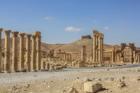
The ancient city of Palmyra, a Unesco World Heritage Site since 1980, has been a focal point of global attention following the Isis occupation in 2015. The destruction of significant landmarks, such as the Temple of Baalshamin and the Temple of Bel, sparked worldwide outrage. In the aftermath, various organizations and governments launched efforts to preserve, digitally reconstruct, or physically restore the site.
However, by the fall of the Assad regime in December 2024, none of these plans had been realized. Now under a new government, the Syrian antiquities department is once again working to restore Palmyra, engaging its local community in the process. This renewed effort raises the important question of whether Palmyra's ancient ruins should be physically reconstructed, if at all.
Archaeologist Nour A. Munawar from the University of Amsterdam argues that this decision should be left to the local community, regardless of their political views or location. Previous reconstruction projects have often excluded communities, leading to issues like "Disneyfication" - overly polished and artificial reconstructions.
A 2024 study of Aleppo residents found that most are proud of their cultural heritage, prioritizing safety, services, and economic needs over heritage protection. However, 98% agreed that damaged heritage should be restored or reconstructed, with varying opinions on how: 17% wanted the site as it was originally built, 24% as it was before the war, and 30% as a modern reconstruction.
Heritage experts' preference for authenticity may clash with local wishes. Ultimately, the decision should be a local choice, with the people of Palmyra determining their city's fate. As time passes, numerous voices, including the new Syrian government, foreign governments, international bodies, NGOs, and cultural heritage experts, will contribute funding, aid, and advice. It is crucial that the local community remains at the forefront of this decision-making process.
Rewritten by urgent.news; may contain errors — check the original.
Sources: bbc.co.uk · theartnewspaper.com