China’s AI hardware push is moving beyond GPUs to the PCBs underneath them — Beijing races to corner the market on copper foil and micro-drill bits as board complexity explodes
AI hardware bottlenecks are expanding beyond GPUs to the PCBs underneath them. As AI servers like Rubin Ultra push PCB layers toward 78 layers using denser laminates, drill bits are wearing out 10 times faster than normal, while high-speed signalling stretches the demand for smooth copper foil.
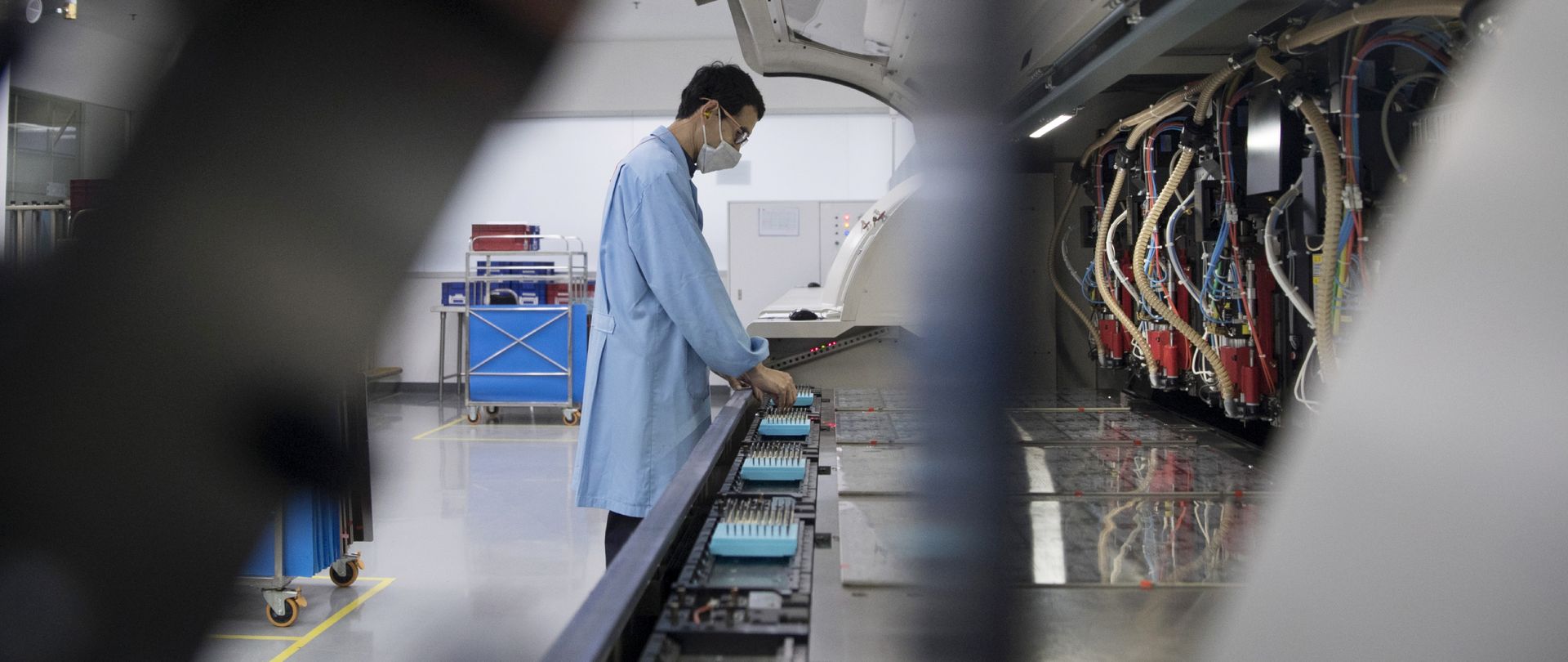
China's AI hardware industry is expanding beyond the development of GPUs, with a growing focus on the intricate PCBs (printed circuit boards) that connect various components within AI servers. As U.S. export restrictions limit access to advanced chips, Chinese companies are racing to secure the materials and equipment needed for PCB manufacturing. Over 20 Chinese PCB manufacturers have announced expansion plans in the first half of 2026 to meet the increasing demand.
The complexity of AI server PCBs is rising as these systems handle more data, featuring multiple layers not seen in traditional computers. HSBC estimates that a notebook PCB has four to eight layers, while Nvidia's H100 GPUs have over 20 layers, and Nvidia's Rubin Ultra systems could have up to 78 layers. The number of holes required per board is also projected to increase by 36% annually between 2025 and 2028.
Drilling these holes requires specialized tungsten-carbide drill bits, which commonly wear out after drilling fewer than 200 holes, compared to around 2,000 holes for older materials.
Chinese manufacturers are capitalizing on this surge in demand, with Guangdong Dtech being the world's largest PCB drill bit maker by volume. The company accounts for approximately 30% of global drill bit sales, with potential monthly capacity rising from 160 million bits to over 235 million by year-end. Chinese firms are also developing new diamond-coated tools for particularly tough PCB materials and aiming to expand their production capacity.
However, Chinese manufacturers are not the only ones entering the fray. Japanese and Taiwanese firms still dominate the premium end of the drill bit market. Meanwhile, Defu Technology, a key supplier of copper foil for lithium-ion batteries, is diversifying into the AI boom by producing HVLP (hyper-very-low-profile) copper foil.
This foil is crucial for reducing high-speed signal loss in AI server PCBs. Currently, Japan, Taiwan, and Hong Kong dominate the HVLP market, but Defu plans to boost its annual high-end PCB foil capacity by 50,000 tonnes over the next two years to compete.
Rewritten by urgent.news; may contain errors — check the original.
Source: tomshardware.com