Can the Philippines better protect its only known humpback whale breeding ground?
Existing MPAs offer limited protection for an endangered population of humpback whales amid climate change and other threats
The Babuyan Marine Corridor in the northern Philippines serves as the sole known breeding ground for humpback whales in the country. Here, mother and calf pairs often frequent shallow waters a few kilometers from the shore, where locals observe their playful behavior. One such whale, Mary F Hill, first identified in 2003, has returned to the area for 11 consecutive breeding seasons, accompanied by a calf in 2016 and 2023.
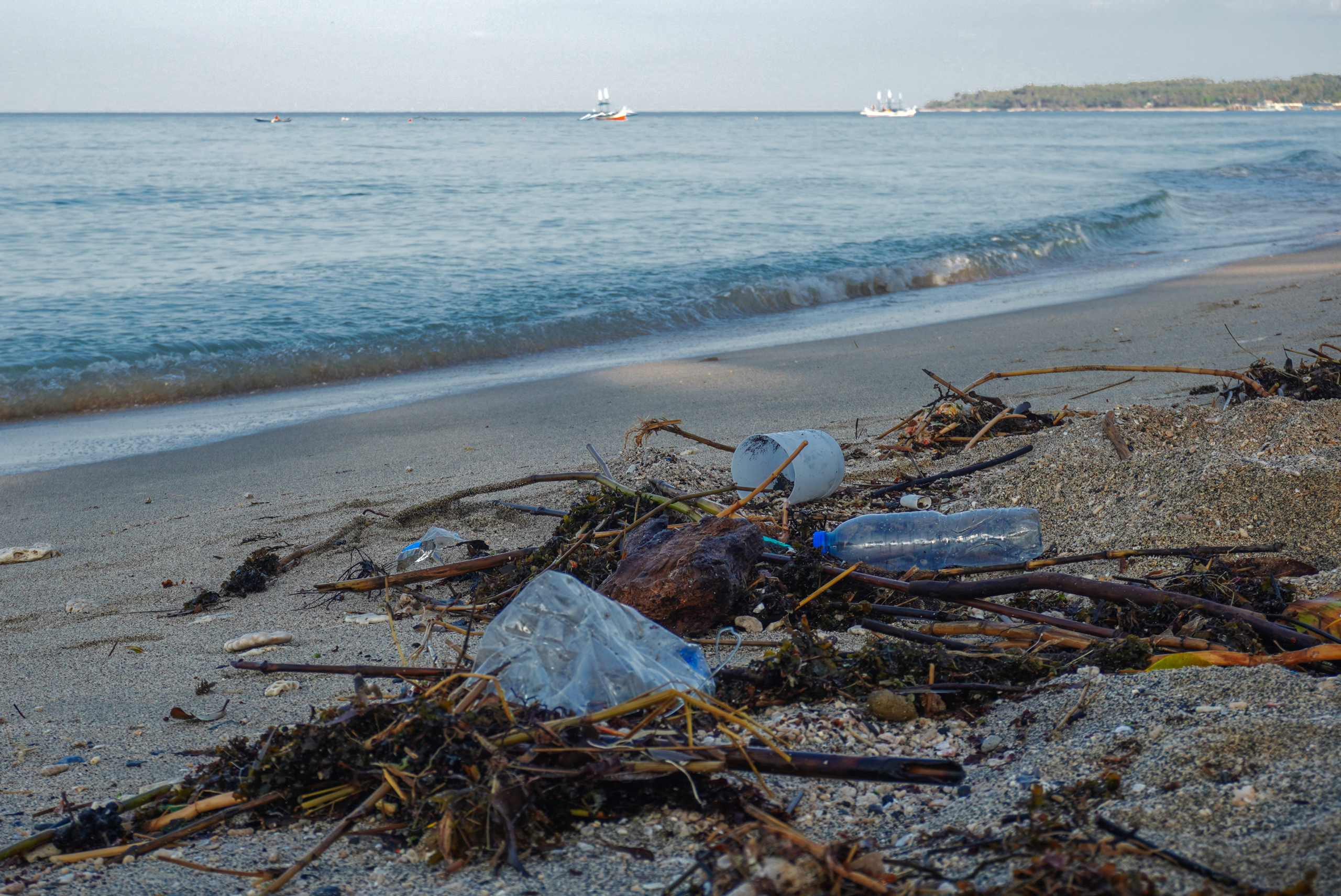
Despite humpback whales' global listing as a species of least concern, those in the Western North Pacific Distinct Population Segment are classified as endangered under US law and vulnerable under the Philippines' national red list. Their breeding ground faces several threats, including marine debris, climate change, and increasing boat traffic. In particular, ghost fishing gear poses risks of ingestion and entanglement, while plastic litter on beaches presents additional dangers.
Designated as an Important Marine Mammal Area (IMMA) by the IUCN Marine Mammal Protected Area Task Force, the Babuyan Marine Corridor has yet to receive legal protection. Two marine protected areas (MPAs) cover just 1,677 hectares of the nearly 1.7 million-hectare corridor, raising concerns about their adequacy and effectiveness in safeguarding the vulnerable whale population.
To ensure the continued return of humpback whales to the region, experts emphasize the need for adequately sized, effectively managed MPAs placed in the right locations.
Rewritten by urgent.news; may contain errors — check the original.
Source: dialogue.earth