British Pound remains on the back foot vs USD as BoE rate hike bets limit downside
The GBP/USD pair trades with a negative bias for the second straight day, hovering around the 1.3100 mark during the Asian session on Friday amid a modest US Dollar (USD) uptick.

The British Pound (GBP) has struggled to gain traction against the US Dollar (USD) for the second consecutive day, trading near the 1.3100 level during Asia's trading hours on Friday. This tepid performance is attributed to a slight rise in the USD, driven by robust US macroeconomic data from Wednesday's Personal Consumption Expenditures (PCE) Price Index and Q3 GDP report.
Both metrics suggested persistent high inflation and strong economic growth, signaling potential further tightening by the Federal Reserve (Fed). Traders are also calculating a likelihood of two more rate hikes in early 2027 beyond the expected 25 basis points (bps) increase in December. Geopolitical risks, particularly in the Middle East, act as a tailwind for the USD, heightening its appeal as a safe-haven currency.
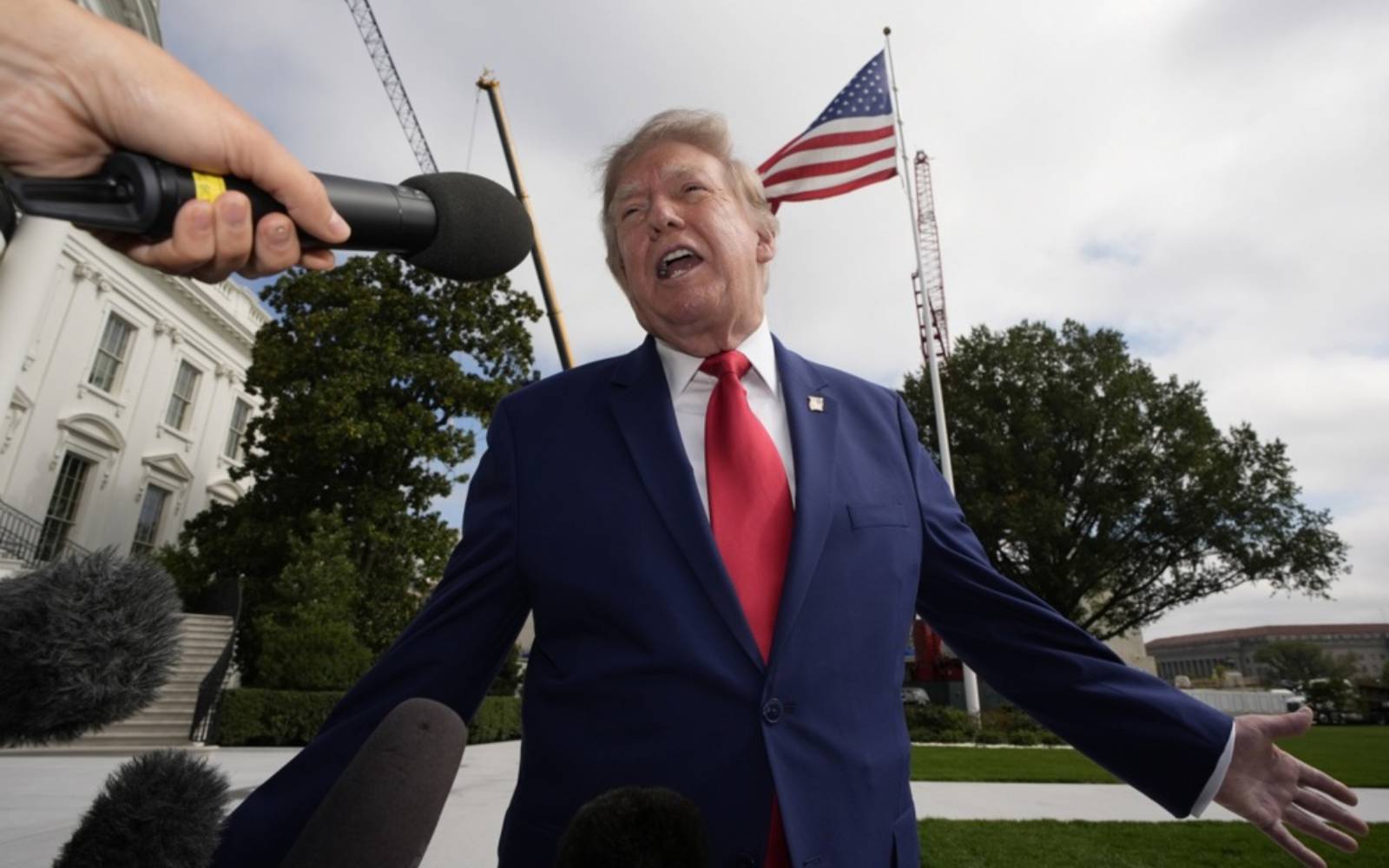
This, in turn, exerts pressure on the GBP/USD pair. Recently, US President Donald Trump announced during annual Thanksgiving calls that America had secured victory in its conflict with Iran, while expressing doubt about Iran's willingness to accept a potential deal. Meanwhile, escalating hostilities between Saudi Arabia and Iran-backed Houthis have targeted critical infrastructure, including oil facilities and ports, further fueling the case for a stronger USD.
Despite these factors, the GBP could find some support from expectations that the Bank of England (BoE) will lift interest rates in December. Moreover, markets are pricing in a high probability of additional tightening throughout 2027, which could prevent traders from making aggressive bearish bets on the GBP/USD pair in the absence of any significant economic announcements from either the UK or the US.
However, spot prices are on track for modest gains for the first time in four weeks. The GBP/USD pair remains above the 100-hour Simple Moving Average (SMA) at 1.3089, indicating a mild bullish bias intraday. Nonetheless, the pair remains below the 23.6% Fibonacci retracement level of 1.3126 from the 1.3009–1.3502 range, implying that upside attempts are being restrained.
Higher Fibonacci barriers at 1.3197 and 1.3256, along with more significant levels at 1.3314 and 1.3397, await the pair's trajectory. A breakdown below the 100-period SMA at 1.3089 could provide immediate support, while a deeper decline might expose the structural floor at 1.3009.
Rewritten by urgent.news; may contain errors — check the original.
Source: fxstreet.com