Britain’s taste for cow’s milk fades as sales hit record low
Environmental and animal welfare concerns, and taste preferences, are behind rising popularity of vegan alternatives Has milk gotta lotta bottle? It may not have as much as it used to, with official data showing Britons are buying less cow’s milk than at any point since records began. Guardian analysis of the government’s family food survey shows the average person bought 1.8 pints (1,024ml) of…
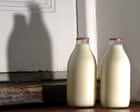
Milk sales in Britain have hit a record low, with Britons buying less cow's milk than at any point since records began. The Guardian's analysis of the government's family food survey reveals the average person purchased only 1.8 pints (1,024ml) of cow's milk per week in 2024-25, which is less than half of what was bought in 1974. This decline in milk consumption can be attributed to various factors, including environmental and animal welfare concerns, as well as a shift in taste preferences.
Experts highlight the increasing accessibility of plant-based milk alternatives as a significant factor in the declining popularity of cow's milk. Rosie Green, a professor of environment, food, and health at the London School of Hygiene & Tropical Medicine, notes that plant-based milk is now readily available and has a taste that is almost indistinguishable from dairy milk. Additionally, concerns about animal welfare and the environmental impact of mass-produced dairy have played a role in this shift.
The agriculture sector is responsible for 48% of the UK's methane emissions, with 78% of those emissions coming from cattle. Cows' methane emissions contribute significantly to global warming, and the agriculture industry's reliance on imported feed due to the growth of intensive dairy farms further exacerbates this issue. Animal welfare concerns, particularly the early removal of calves from their mothers, have also led people to reconsider their consumption of cow's milk.
As consumers become more aware of the practices within the dairy industry, they are increasingly turning to plant-based alternatives. The popularity of these alternatives has grown from an average of 37ml to 94ml per week since 2014. High street shops have also played a part in this trend by offering oat milk as a default choice for hot drinks, making it a more accessible option for consumers.
Despite the decline in cow's milk sales, UK production has reached a record in 2025, with more milk being produced for other purposes such as cheese, yoghurt, butter, and powders. However, the government has set a target to reduce dairy consumption by 20% by 2035, recognizing the significant impact that changing food systems can have on tackling the climate crisis.
By reducing dairy consumption, more land can be made available for nature recovery or for growing food directly for human consumption, contributing to a more food-resilient and sustainable future.
Rewritten by urgent.news; may contain errors — check the original.
Source: theguardian.com