BoG working with partners to reduce lending risks for women-led businesses – Director of Research
The Bank of Ghana (BoG) is working with partners to reduce the risks associated with lending to women-led businesses as part of efforts to improve their access to credit and ensure that financial inclusion translates into meaningful economic opportunities, the Director of the Research Department, Philip Abradu-Otoo, has said.
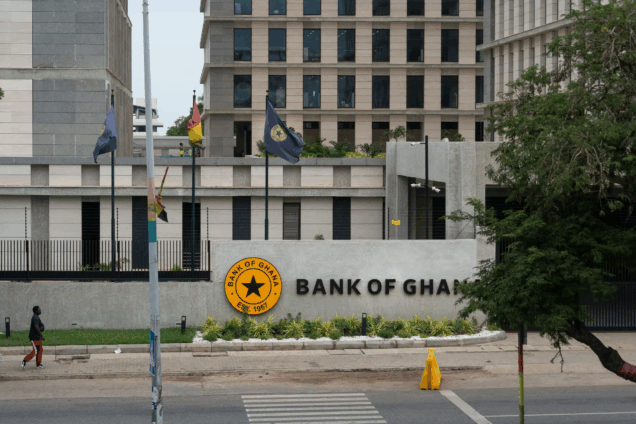
The Bank of Ghana (BoG) is collaborating with partners to mitigate the risks associated with lending to women-led businesses in order to enhance their access to credit and ensure financial inclusion leads to tangible economic opportunities. Director of the Research Department, Philip Abradu-Otoo, made these remarks at the JoyBusiness Financial Dialogue Series on November 27, emphasizing the importance of addressing challenges faced by women entrepreneurs in securing financing for business expansion.
Ghana must shift its focus from merely increasing access to financial services to ensuring women can effectively utilize these services.
Mr. Abradu-Otoo highlighted the country's interoperable digital payments infrastructure as a crucial avenue for improving women's access to formal credit. He suggested that leveraging women's transaction histories on digital platforms could help establish their creditworthiness, effectively turning payment histories into credit histories.
This approach could enable financial institutions to assess borrowers more effectively and make informed lending decisions, particularly for women who might otherwise struggle to meet traditional lending requirements.
While promoting digital credit expansion, Abradu-Otoo stressed the necessity of complementing it with responsible lending practices and robust consumer protection measures. He cautioned against unlicensed digital lenders and emphasized that BoG is taking stringent actions against such lenders to prevent over-indebtedness and ensure borrowers are not exposed to harmful lending practices. He emphasized that inclusion should not result in harassment or excessive debt for borrowers.
In addition to strengthening credit reporting and regulating digital lenders, the BoG is working with partners to share risks associated with lending to women-led businesses. Reducing these risks is vital to encouraging financial institutions to extend credit to women entrepreneurs, thereby facilitating their growth and sustainability.
Addressing financial inclusion for women with disabilities, Abradu-Otoo pointed out that Ghana's financial inclusion agenda must encompass women facing multiple barriers to accessing financial services, particularly those with disabilities. The Bank's directive for financial institutions to comply by December 31, 2026, is part of these efforts to enhance access to banking services for women with disabilities.
Making financial services accessible to this group is crucial to ensuring they are not excluded from participating in the formal financial system.
Looking ahead, the Bank of Ghana and fiscal authorities are developing Ghana's second National Financial Inclusion and Health and Development Strategy for 2027–2031, with a focus on women's financial inclusion. This strategy will shift the emphasis from mere access to financial services to actual usage and improving financial health.
Recent research, including the Women's Inclusion Project, will inform the development of this strategy, aiming to address persistent challenges limiting women's access to finance and enabling women-led businesses to secure the necessary funding for expansion, employment creation, and economic contribution.
Rewritten by urgent.news; may contain errors — check the original.
Source: myjoyonline.com