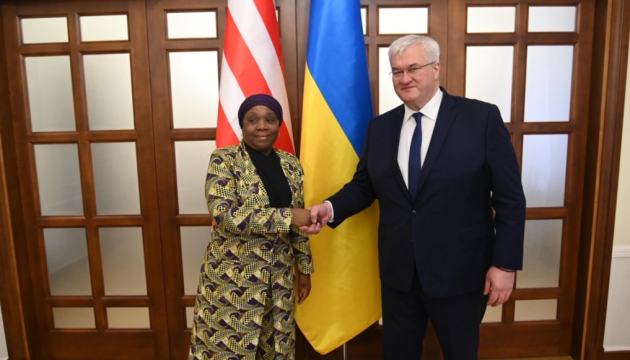
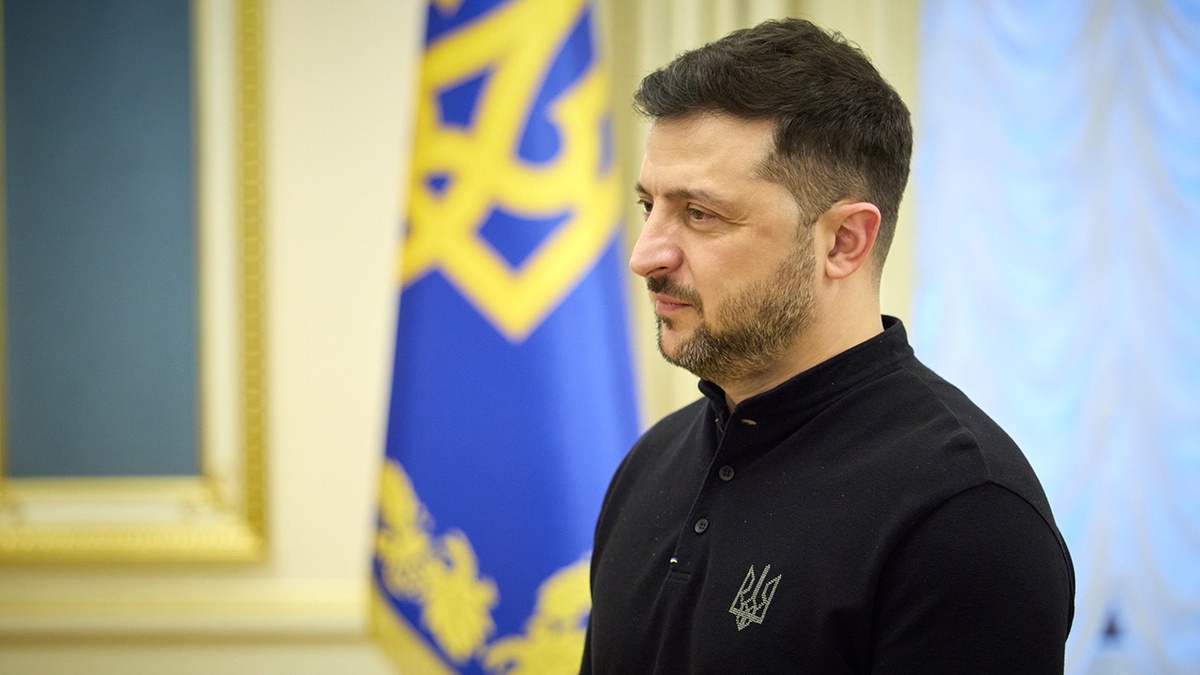
Beyond protocol purism: Why Nigerians in South Africa welcome an envoy who refuses to whisper, By Abiodun Abidoye
…so many Nigerians across the diaspora, and commentators at home, have hailed the posting of Fani Kayode as a long overdue turning point, with admirers even arguing that his vocal defence of national dignity exemplifies the energy that the broader foreign policy leadership of Nigeria ought to project. When a major African nation rebuilds its […] The post Beyond protocol purism: Why Nigerians in…

The rise of Ambassador Femi Fani Kayode as Nigeria's High Commissioner to South Africa has garnered significant attention and admiration among Nigerians residing in the country. Despite his ambassadorship, a group of individuals, referred to as "Professor Badejo" within the source, criticize his actions, questioning his adherence to diplomatic norms and protocols. However, the reality of the situation appears to contradict this perspective.
Upon his appointment, High Commissioner Fani Kayode presented his Letter of Credence to President Cyril Ramaphosa, marking a significant milestone since 2022. This event, carried out with traditional Nigerian attire, was executed with panache and highlighted Nigeria's historical sacrifices against apartheid. The formal address was even delivered in traditional attire, showcasing the ambassador's respect for cultural traditions.
However, the narrative by Professor Badejo overlooks repeated violations of diplomatic norms and human dignity directed against Nigeria and its citizens. During his tenure, South Africa faced public accusations and allegations of discrimination against Nigerians, including labeling them as drug dealers. Despite such blatant breaches of diplomatic comity and international norms, the source fails to acknowledge the High Commissioner's courage in responding to such allegations.
Furthermore, the safety and dignity of Nigerian nationals and diplomatic personnel were compromised in Pretoria, where mobs targeted Sunnyside, a neighborhood known as Little Lagos. This area was deliberately targeted with taunts and threats against Nigerians. The silence of commentators like Professor Badejo during these incidents raises questions about their true commitment to diplomatic principles. Even when the High Commissioner faced humiliating treatment at an airport, he chose restraint in his public response.
The subsequent constructive engagement between the High Commissioner and the South African Department of International Relations and Cooperation underscores the spirit of diplomacy and the resolution of bilateral issues. The subsequent affirmations by South African Foreign Minister Ronald Lamola further highlight the alignment of interests between the two nations.
The lived experiences of Nigerians in South Africa over the past four years reveal a stark contrast to Professor Badejo's perspective. From the increasing levels of violence against Nigerians, high-profile attacks, disputes over deaths in custody, and waves of afrophobic hostility, Nigerians have been subjected to severe hardships. The absence of a substantive High Commissioner during this period was perceived by ordinary Nigerians as official abandonment, doing little to deter the escalating issues.
Rewritten by urgent.news; may contain errors — check the original.
Sources: premiumtimesng.com · thisdaylive.com
This story
This is one outlet's version. Read the fullest account.