Beijing’s AI ambitions are under threat as models may fall behind by up to nine months versus competitors — Chinese AI labs are under heavy fire from export controls, maturing chip stacks and a distillation crackdown
This week, several reports have detailed how closing GPU rental loopholes across Asia may have had an impact on the development of Chinese AI models.
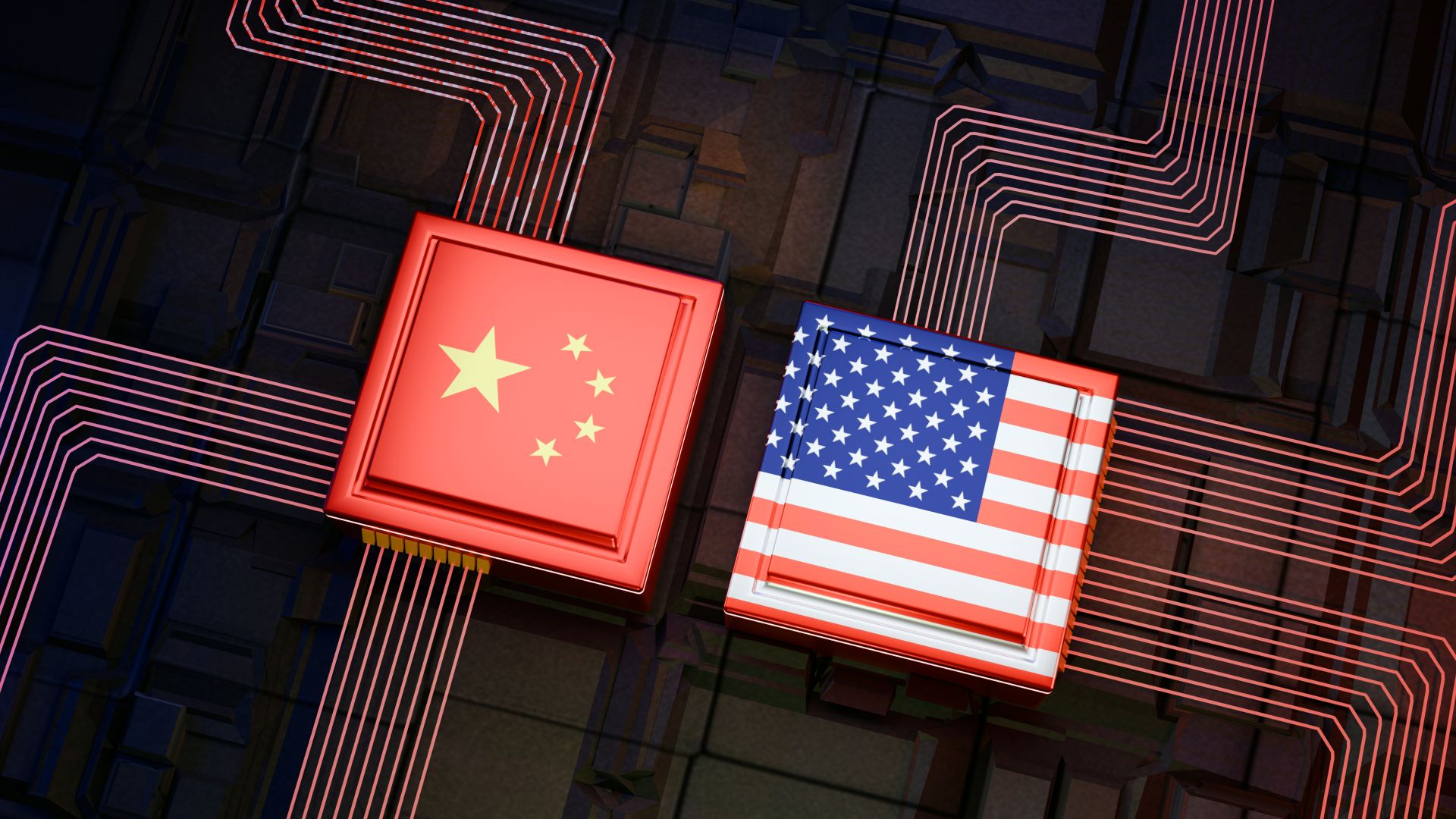
Recent reports highlight the challenges facing Chinese AI labs as their models may lag behind competitors by up to nine months. The development of Chinese AI models has been hindered by export controls, the scarcity of advanced AI accelerators, and restrictions on distilling AI models. In September, Mozilla estimated that open-weight AI models were three to six months behind the frontier, but recent developments suggest this gap could widen to nine months.
Chinese AI labs, such as Zhipu AI and DeepSeek, are facing hurdles in accessing cutting-edge AI chips and have been forced to push back their release dates as a result. Western companies, including Anthropic, OpenAI, Google, and Meta, currently outperform Chinese counterparts in AI model benchmarks. Chinese AI labs are attempting to overcome these challenges by developing alternative AI chips, such as Huawei's Ascend AI chips, and transitioning away from CUDA to the open-source CANN.
However, tighter security measures against distillation are further limiting the progress of Chinese AI labs. The intelligence gap between Chinese and Western AI models is widening, and Chinese labs must find ways to keep up with the competition in order to maintain their position in the open-weight arena.
Rewritten by urgent.news; may contain errors — check the original.
Source: tomshardware.com