Behind China's spectacular rise, voices who defied it say they are being drowned out
China's immense clout now also has the flex of soft power. Critics and dissidents say their voices are being drowned out.
Dolkun Isa, a Uyghur activist living in Germany, observes that his cause is losing visibility. In 2018, reports surfaced of up to a million Uyghurs and Muslims being detained in mass internment camps in Xinjiang, China's northwest region. China labeled these camps as "re-education" facilities, denying the allegations of severe human rights abuse.
An international outcry ensued, leading to trade bans, sanctions, and parliamentary resolutions condemning the detentions. However, today, Dolkun feels that the world's attention is being overshadowed by China's economic prowess. China's electric vehicles, batteries, solar panels, AI models, and even its popular Labubu dolls have made their way into markets worldwide, making it difficult for the Uyghur cause to compete.
Beijing has also shifted from using force to offering carrots, offering family reunions, money, and safety in exchange for information about networks and promoting pro-party narratives. This, according to activists, has led to a decline in the movement's voices and trust. China's growing economic clout has earned it respect globally and influenced foreign policy, but Western governments have become more inwardly focused and less prioritizing human rights.
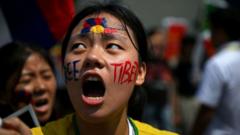
The UN called the death of Tibetan activist Lobga Rangzen after he set himself on fire outside UN headquarters "absolutely tragic," but his protest was quickly forgotten. The same month, Dolkun tried to rally supporters against a new "ethnic unity law" requiring minorities to learn Mandarin, but the response was muted. Arslan Hidayat, a Uyghur journalist, says he has interviewed several Uyghur exiles who were urged to return to China, providing information to Chinese agents.
China has repackaged Xinjiang as a tourist destination, with over 300 million domestic and international visitors in the past year.
Rewritten by urgent.news; may contain errors — check the original.
Source: bbc.co.uk