B3 e grandes bancos entram na blockchain com a stablecoin Open BRL
É um marco da tecnologia cripto sendo abraçada pelas finanças tradicionais. A B3 e seis dos maiores bancos do País anunciaram hoje a criação da Open BRL – uma stablecoin atrelada ao real para explorar, em uma mesma infraestrutura compartilhada, os recursos e as aplicações do ativo tokenizado.
Para a primeira vez, grandes bancos brasileiros e a B3 estão colaborando em uma blockchain com uma stablecoin chamada Open BRL. This stablecoin, which is tied to the Brazilian real, aims to explore the resources and applications of tokenized assets on a shared infrastructure. The partnership includes B3, Bradesco, BTG, Itaú, Safra, Santander, and XP.
With the Central Bank delaying the launch of its own stablecoin, the Drex, this market solution, led by national financial giants, has the potential to become the largest real-backed digital currency. Open BRL is expected to go live in the first quarter of 2027. Currently, the main stablecoins in reals are those launched by startups, such as BRLA by Avena and BRL1 by a consortium of fintechs Cainvest, Bitso, Foxbit, and Mercado Bitcoin, along with some digital currencies of the banks that will now be part of the partnership with B3.
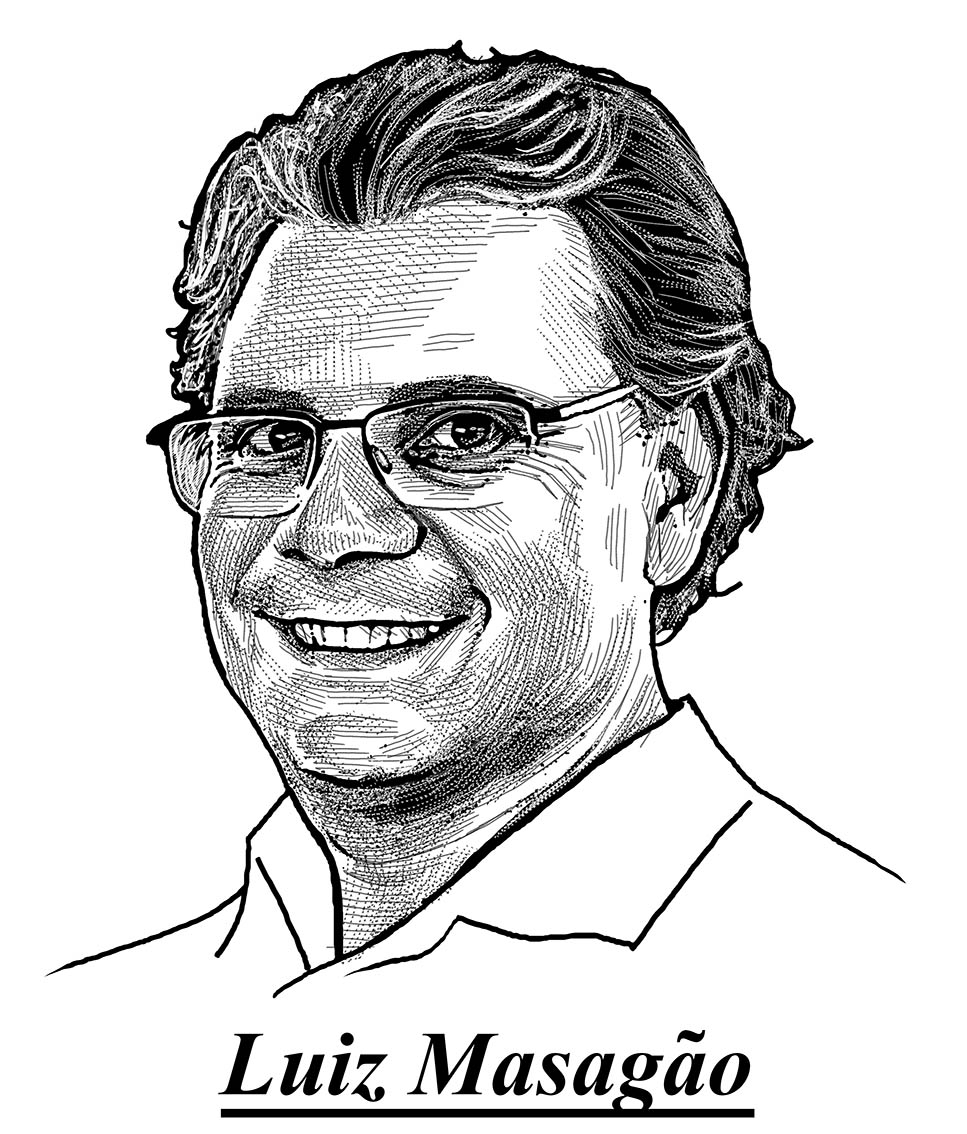
B3's vice-president of products and clients, Luiz Masagão, stated that they see the adoption of stablecoins growing significantly and believe that having this stablecoin in Brazil will facilitate the settlement of digital currencies. The entry of B3 and the major banks into this market will mark a new scale in the utilization of blockchain infrastructure for financial transfers and the development of applications, such as 24/7 settlements and smart contracts that automatically execute rules and orders according to programming.
In the initial development phase of Open BRL, B3 will be responsible for the technological base of the operation, while Banco B3 will handle the issuance of the coin and maintain the reserves in public securities and cash to back the 1:1 convertibility. The other financial institutions will be responsible for the development of system integration.
Masagão stated that the industry as a whole is seeking ways to implement tokenization or applications at scale to solve real problems of optimization and reap the benefits of this technology. On-chain transactions are an alternative to the traditional financial system, enabling, for example, international transfers practically instantaneously and at a minimal cost compared to the fees charged by SWIFT.
According to Masagão, several banks had been investing in their technologies to have their own currencies, but this could pose an obstacle to the development of the market. Plugging in these six banks - and potentially more later - will ensure interoperability between institutions. B3 has on its pipeline the launch of tokenized shares, which will enable continuous trading and instant settlement.
The launch of these contracts is expected in the second half of the following year. B3 has already been the infrastructure of the traditional market and will be the bastion for integration with the decentralized finance (DeFi) market. On-chain digital asset transactions grew by 76% in Latin America in 2025, totaling $730 billion, according to crypto platform ChangeNow.
In Brazil, which leads usage in the region, growth was even greater, at 109%, totaling $319 billion.
Rewritten by urgent.news; may contain errors — check the original.
Source: braziljournal.com