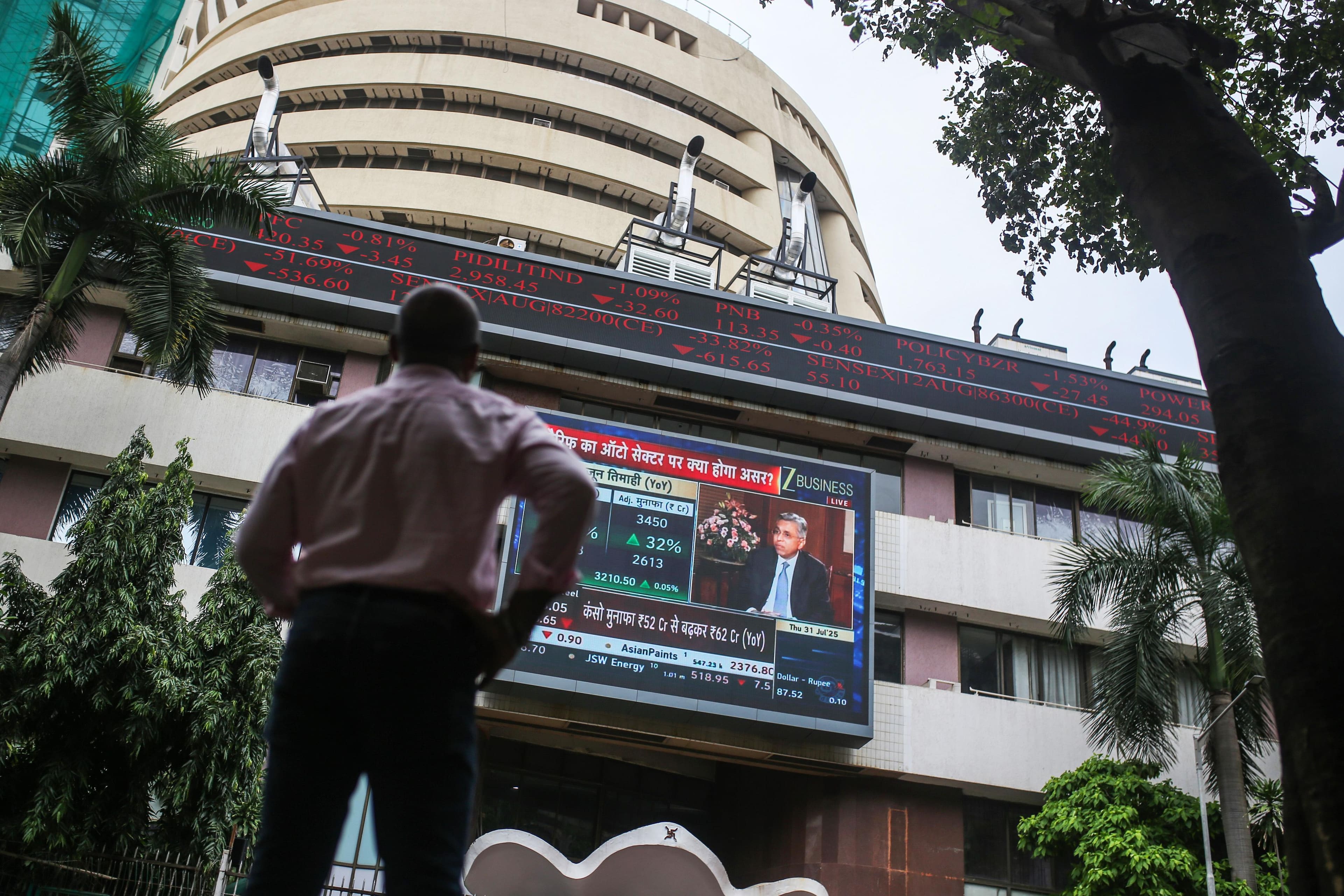
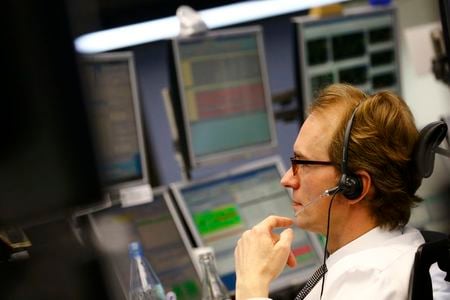
Asian shares find footing after bruising month; US dollar set for third monthly gain
The US dollar is up 1.8% against its major peers at 103.8.
Asian shares concluded a challenging month on a more stable note, with a respite from AI concerns and a holiday pause offering some relief. Meanwhile, the US dollar emerged as the dominant currency, gaining momentum due to safe-haven demand and expectations of a possible interest rate hike from the Federal Reserve. Oil prices were on track for their first weekly increase in four weeks, driven by concerns over potential supply disruptions.
Brent crude futures saw a 0.4% drop to US$96.14 per barrel on November 27, still up 3.9% for the week, despite a 18% decline for the month. In November, Wall Street remained closed for Thanksgiving, but Asian markets showed a mixed performance. The S&P 500 futures rose 0.8%, while Nasdaq futures climbed 1%.
Japan’s Nikkei Index increased 0.7%, marking its week-long gains at 2.7%, only managing to recover a portion of its 8.4% November loss. Core inflation in Tokyo reached a 16-month high in November, suggesting the Bank of Japan could hike interest rates as early as December. MSCI’s Asia-Pacific index outside Japan gained 0.5%, ending the week 1.9% higher, although it remained down 8.2% for the month.
South Korean shares rallied by 2%, while China’s blue-chip stocks slipped by 0.2%, following a drop to the lowest level since June 2025 on November 26. Analyst Kyle Rodda of Capital.com cautioned that barring a significant shock that could destabilize the market, November is essentially over, and markets cautiously head into December, with a seasonal "Santa Rally" still uncertain.
Tech giant Nvidia faced uncertainty after S&P upgraded its credit rating to a potential downgrade. The company instructed its manufacturing partners to halt shipments of servers containing its chips to Malaysia, Singapore, Thailand, and Indonesia. Elon Musk announced that every US child would receive two shares in his aerospace and AI company, SpaceX, valuing the gift at approximately US$18 billion.
The US dollar was set to achieve its third consecutive monthly gain, rising 1.8% against its major counterparts to 103.8. This gain was attributed to expectations of a December interest rate hike by the Fed and safe-haven flows from the equity selloff. Market projections indicated a 99% chance of a 25-basis point rate increase in December, although the likelihood of a half-point increase diminished.
Euro rose slightly to US$1.0964, following the confirmation of Pablo Hernández de Cos as the next European Central Bank president, signaling policy continuity. New Zealand's ruling center-right coalition failed to secure a parliamentary majority, resulting in the need for negotiations with the centrist Opportunity Party for continued governance.
Investors questioned whether the overall decline in global stocks in November, combined with concerns over the sustainability of AI-driven investments, might dampen central banks' hawkish stance. David Rees, chief economist at Schroders, noted that while the Federal Reserve could still alter course, such a shift might not be entirely favorable for markets.
Treasury yields followed the reopening of the cash market after the US holiday, with two-year yields climbing 3 basis points to 4.6705%, and 10-year yields increasing 4 basis points to 4.8918%. However, both figures were down 6 and 2 basis points, respectively, on a weekly basis.
Rewritten by urgent.news; may contain errors — check the original.
Source: straitstimes.com