APEC 2026: si México busca inversiones, debe quitar obstáculos
Es indudable que nuestra relación comercial es tensa con China. Más aún, nuestra capacidad para atraer nuevos negocios se encuentra en un estado vulnerable dado el esquema de revisiones anuales obligatorias del T-MEC en el que nos encontramos desde julio de este año.
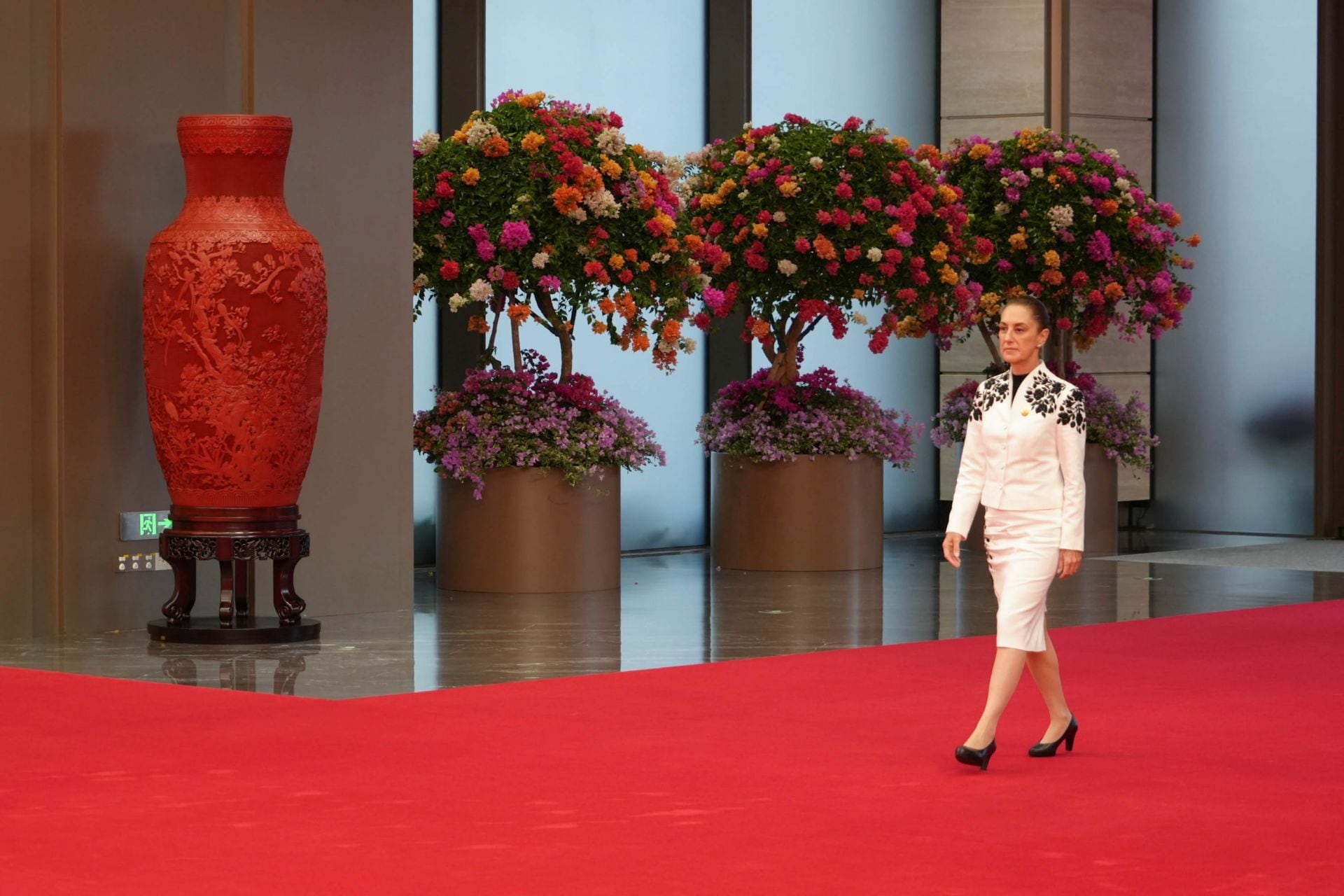
During a recent meeting in Shenzhen, China, President Claudia Sheinbaum of Mexico unveiled her nation's plan to attract foreign investments during the upcoming APEC summit in 2026, while also stressing the importance of removing barriers to such investments. The gathering took place amid challenging circumstances, as Mexico seeks to bolster its trade relations with the region, including the United States, while navigating a tense relationship with China.
The country's ability to draw new businesses is currently uncertain due to mandatory annual reviews under the US-Mexico-Canada Agreement (T-MEC), which have been in effect since July of this year.
Trade agreements at forums like APEC are crucial as they directly impact daily life. Lower trade barriers lead to increased competition and generally result in reduced prices for consumers. Likewise, fewer investment obstacles contribute to job creation. However, simply opening doors internationally is not enough to guarantee those jobs will be created within Mexico.
Instead, regulatory quality is the key competitive factor that rests solely on our shoulders. Regulatory adjustments at the local level are necessary, as costly, opaque, or obstructive rules can divert investment to other countries. Much of this regulation is not federal but rather defined by states and municipalities, including building permits, land use, and operating licenses.
The APEC recognized the significance of regulatory quality in October 2025, approving a structural reform agenda for 2026-2030. The agenda's pillars include promoting competition and creating a conducive environment for businesses, accompanied by an action plan to streamline business activity. Mexico has committed to improving key areas such as business registration, financial services, business location, market competition, and dispute resolution, with a target of a 20% improvement by 2035. Each country is invited to submit an individual action plan with reforms for the end of the decade.
President Sheinbaum's national goals for 2030 align with APEC's priorities. Recent Mexico Evalúa studies highlight the vast potential for improvement, with over 3,000 opportunities identified across 237 regulations and 411 procedures. The main issues are government efficiency and the ease of doing business. Additionally, there is a significant gap between regulations and their actual implementation, as only 44% of identified procedures appear in official digital registers.
This discrepancy means companies often struggle to accurately estimate the total costs of their investments.
México Evalúa proposes three improvements to enhance regulatory quality ahead of the 2026 APEC summit: 1) Harmonize and complete state and municipal tramsit registries, ensuring all required procedures are registered and accessible. 2) Set measurable simplification goals in priority areas, beginning with business location, which accounts for the majority of local permits.
3) Publish Mexico's action plan for APEC, including indicators and a tracking calendar, so businesses, academia, and civil society can monitor progress. The ultimate goal of Mexico's Plan is to attract the expected capital inflow. While many factors influence this outcome, regulatory quality is within our control. In 2028, Mexico will be the region's host, providing an invaluable opportunity to showcase our progress.
Rewritten by urgent.news; may contain errors — check the original.
Source: elfinanciero.com.mx