Analysis-Trump’s new tariffs aim to prise global trade from China’s grip
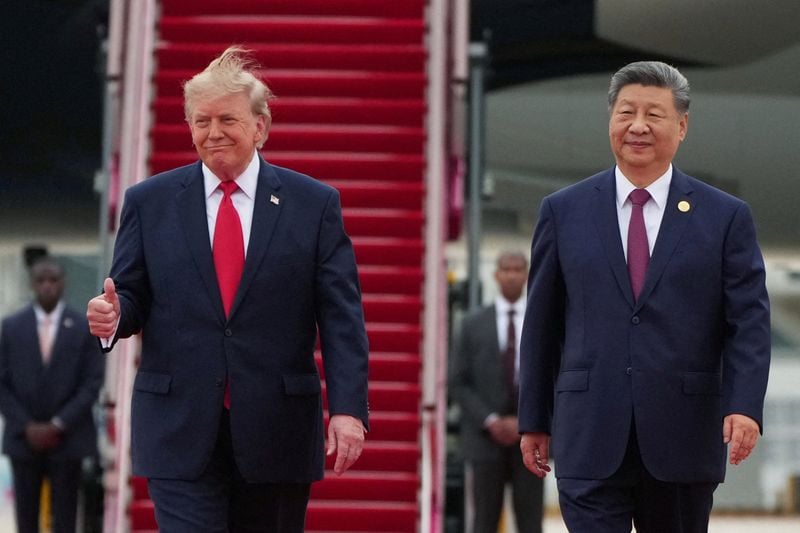
President Trump's new tariff hikes are poised to intensify trade disputes with China, positioning the nation as the main target in Washington's strategy to reform global commerce by pressuring other countries. These additional duties remain within the limits of a trade truce with China, yet they signal heightened stakes as leaders convene for a summit in Miami next month and the Jan.
10 expiration of their existing trade agreement looms. According to Mark Williams, Capital Economics' chief Asia economist, "If the trade war reignites, these measures offer the US some leverage." The Trump administration intends to augment China's tariffs by 20%, augmenting existing 25% levies from its first term, potentially escalating to 40% if the accord collapses.
China's foreign ministry dismissed Trump's latest tariffs as accusations of unfair industrial practices, refraining from threatening retaliation. The new tariffs stem from an eight-month probe into unfair trade methods, scrutinizing excess industrial capacity worldwide. The US is applying comparable pressure on other economic alliances, from the European Union to Japan and certain Southeast Asian nations, but China remains the focal point due to its substantial trade surplus.
The US Trade Representative's report on Vietnam highlights China over 250 times, while its assessment of the EU mentions it over 300 times. Trump's second effort to reshape global trade comes after the Supreme Court ruled his April 2025 'Liberation Day' tariffs illegal, raising tariffs on all trading partners except China, which retaliated with full force.
Recent Chinese actions, such as suspending rare earth exports and procuring Boeing 737 MAX 8 planes, suggest the truce remains intact. While the option to raise tariffs provides the US with more leverage, Washington must consider the tariffs' potential inflationary effects, as the cost of living overshadowed Trump's Republican Party's defeat in recent midterm elections.
Analysts predict that both tariffs and non-tariff measures will proliferate, with Brussels planning additional trade measures following China's acceptance of quotas on some EU imports of Chinese cars.
Rewritten by urgent.news; may contain errors — check the original.
Source: investing.com