AMD and Winbond vulnerabilities let attackers brute-force BitLocker PINs on millions of PCs
AMD and Winbond vulnerabilities let hacks let malfeasants guess Bitlocker PINs on millions of machines — brute-forcing a six-digit PIN takes 20 days instead of 19 years, at most
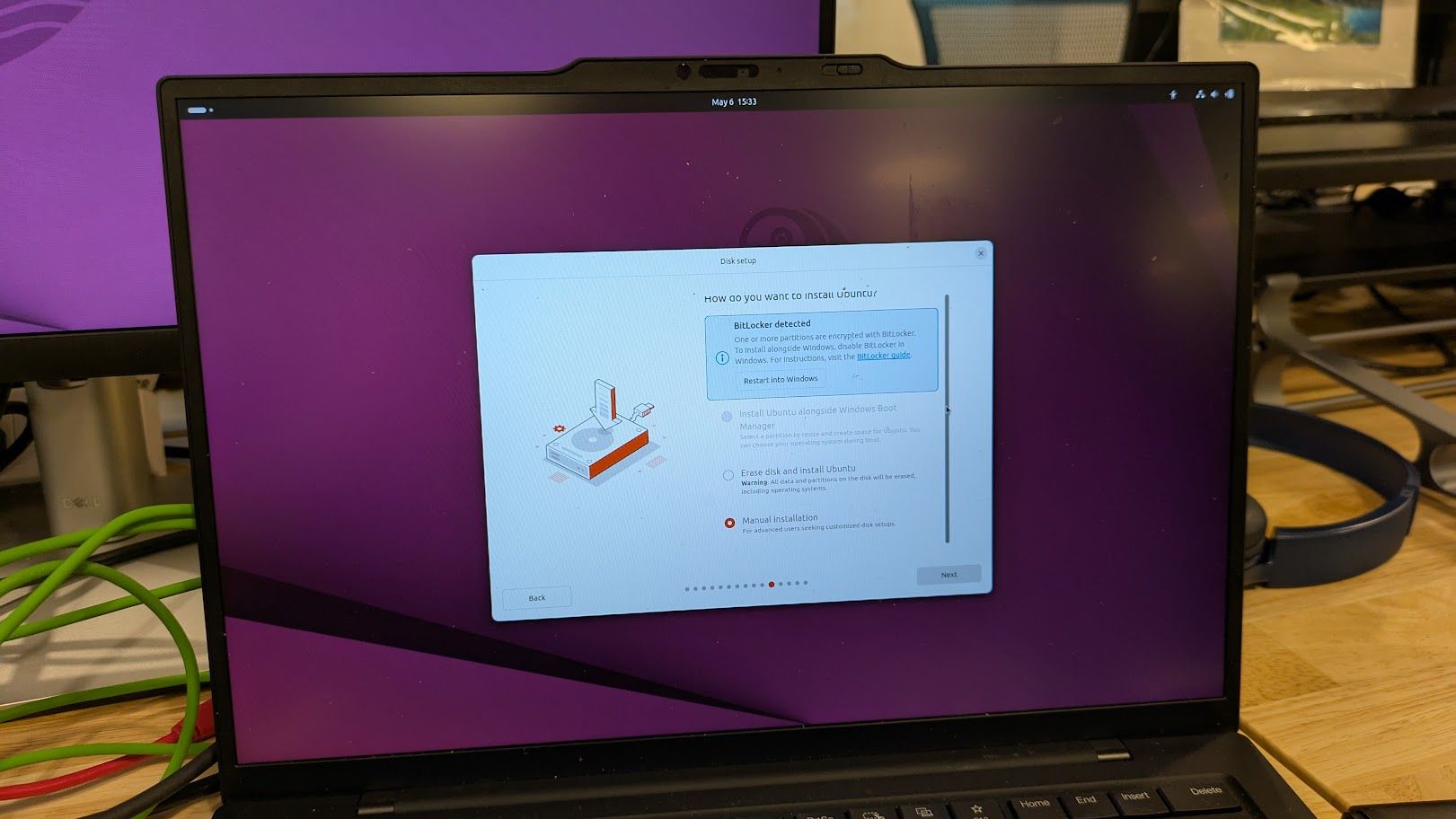
Recent research from Technische Universität Berlin has uncovered vulnerabilities in AMD and Winbond chipsets that could allow attackers to bypass Windows BitLocker encryption. The security flaw enables brute-force attacks on encrypted drive passwords, instead of the usual 10-minute wait per failed PIN attempt. This poses a significant risk to millions of PCs, particularly those using AMD CPUs or Winbond SPI flash chips.
The attacks exploit the TPM (Trusted Platform Module) security chip and SPI flash, typically found in modern x86 consumer machines. The SPI flash stores the counter of failed unlock attempts, which is normally protected by the TPM. However, researchers demonstrated how to reset or augment this counter, allowing attackers to perform rapid brute-force attempts on the PIN.
In the case of Winbond SPI flash, an attacker can extract the HMAC key using a voltage glitch, enabling them to impersonate the flash chip and carry out unlimited unlock attempts.
For AMD-based PCs, the vulnerabilities are both more severe and widespread. By exploiting a flaw in the firmware controller for non-volatile storage, attackers can intercept and ignore the counter increase order, preventing any delay in repeated PIN attempts. Fortunately, a firmware update could potentially fix this issue. However, widespread implementation of such updates on older hardware, especially without support from OEMs, remains a challenge.
The researchers contacted affected manufacturers, but none committed to addressing the root cause of the vulnerabilities. Microsoft has since recommended users opt for six-digit PINs during BitLocker setup instead of the default four-digit PIN.
Rewritten by urgent.news; may contain errors — check the original.
Source: tomshardware.com