Alberta expecting $18B budget turnaround propelled by oil royalties
In the 2022-23 fiscal year, the province took in a record $25 billion in resource revenues, but the province expects to break that with almost $29 billion this year.
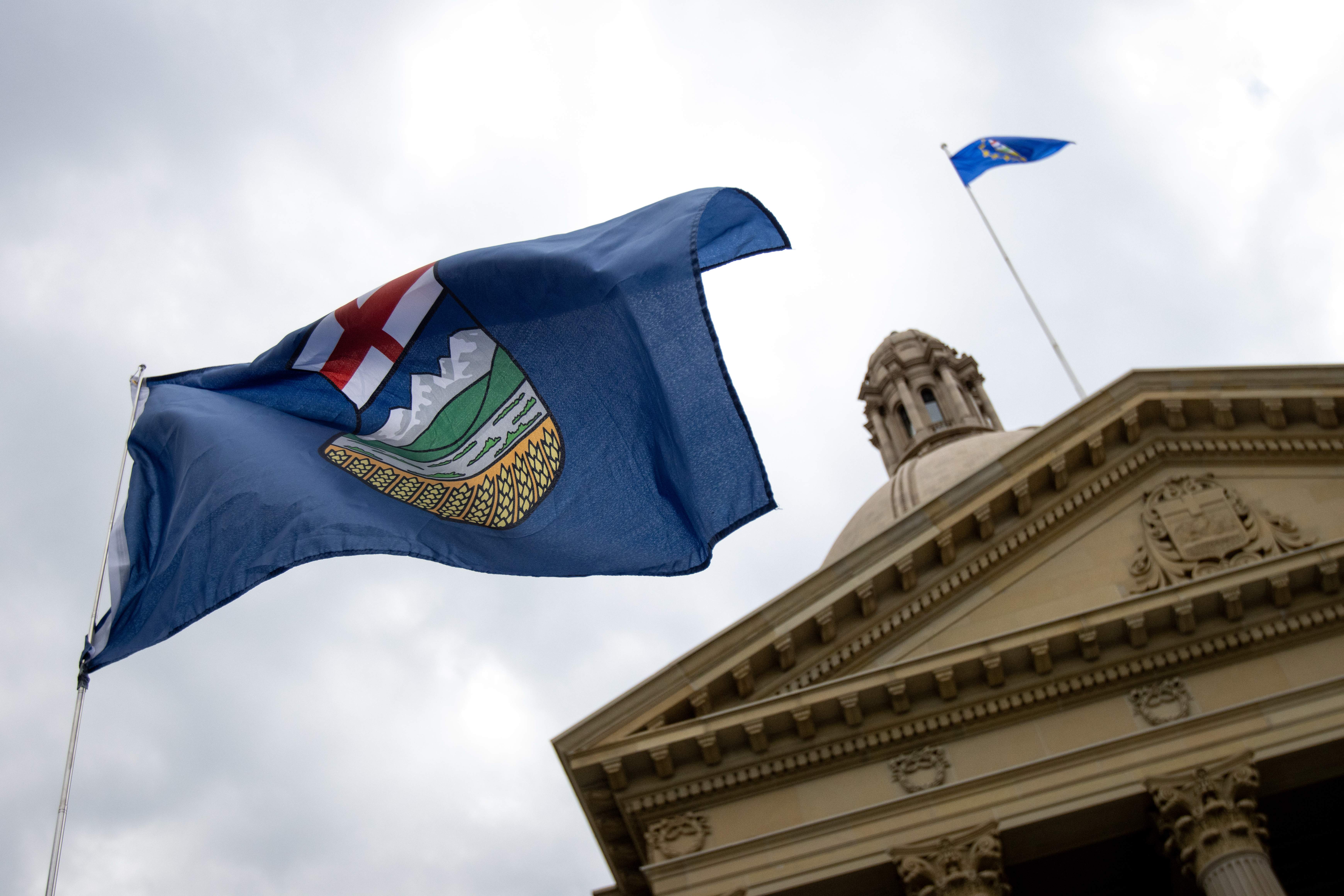
Alberta's government anticipates a substantial budget turnaround, reaching $18 billion, driven primarily by oil royalties. This marks a significant shift from the $9.4 billion deficit previously forecasted for the fiscal year 2026-27. The province's finances are heavily dependent on global energy prices, which have surged due to tensions in the Middle East.
Initially expecting West Texas Intermediate (WTI) oil prices to average $60.50 per barrel, the government now expects the price to be $83.50 per barrel. This forecast is based on disruptions in the Strait of Hormuz, a crucial shipping lane in the Persian Gulf.
Finance Minister Jason Nixon emphasized the need for caution and discipline in spending, stating that sudden increases in resource revenue should not be treated as permanent. The province's resource revenues have historically been substantial, with $25 billion recorded in the 2022-23 fiscal year, and the government anticipates breaking its own record with almost $29 billion this year.
Nixon noted that fluctuations in WTI prices can significantly impact Alberta's treasury, with a $1 increase in the average price potentially yielding $680 million.
This financial outlook generates a surplus of $3.9 billion, which the government plans to allocate before the fiscal year's end. By law, at least half of this surplus must be deposited into the Heritage Saving Trust Fund, which is now projected to reach $36 billion by March. The government aims to see the fund's net assets grow to $250 billion by 2050 to ensure long-term financial stability.
The surplus will also be used for one-time infrastructure projects, such as road construction, though specifics are yet to be determined.
Despite the anticipated windfall, overall spending for the year is only projected to increase by $646 million. Nixon acknowledged the concerns of Albertans regarding inflation and the cost of living, noting that the government is committed to maintaining existing affordability programs, including low tax rates. While no new rebates or relief measures were announced, the government is open to considering targeted assistance.
The Canadian Automobile Association reported that the national average price of regular gas is $1.42 per litre, with Alberta's average at $1.23 per litre, the lowest in the country.
Opposition NDP finance critic Court Ellingson criticized the United Conservative Party government for profiting from higher oil prices while Albertans face rising living costs. He highlighted the need for tangible relief measures, such as increasing the minimum wage predictably and tying it to inflation. The NDP has proposed raising the minimum wage from $15 to $18 per hour, which they argue would help alleviate financial pressures for low-income earners.
Rewritten by urgent.news; may contain errors — check the original.
Source: globalnews.ca