Aibo, Sony’s robot dog, now has a second life in hospitals
The people at Sony don’t use words like “product” or “reboot” when they talk about Aibo , the Japanese electronics and entertainment company’s robotic dog . Aibo robots, which first went on sale in 1999, are all sold out and no longer in production. But some owners who had to part with their Aibo have donated the robots to Tokyo-based Sony Group Corp. for an “adoption program,” where they get…
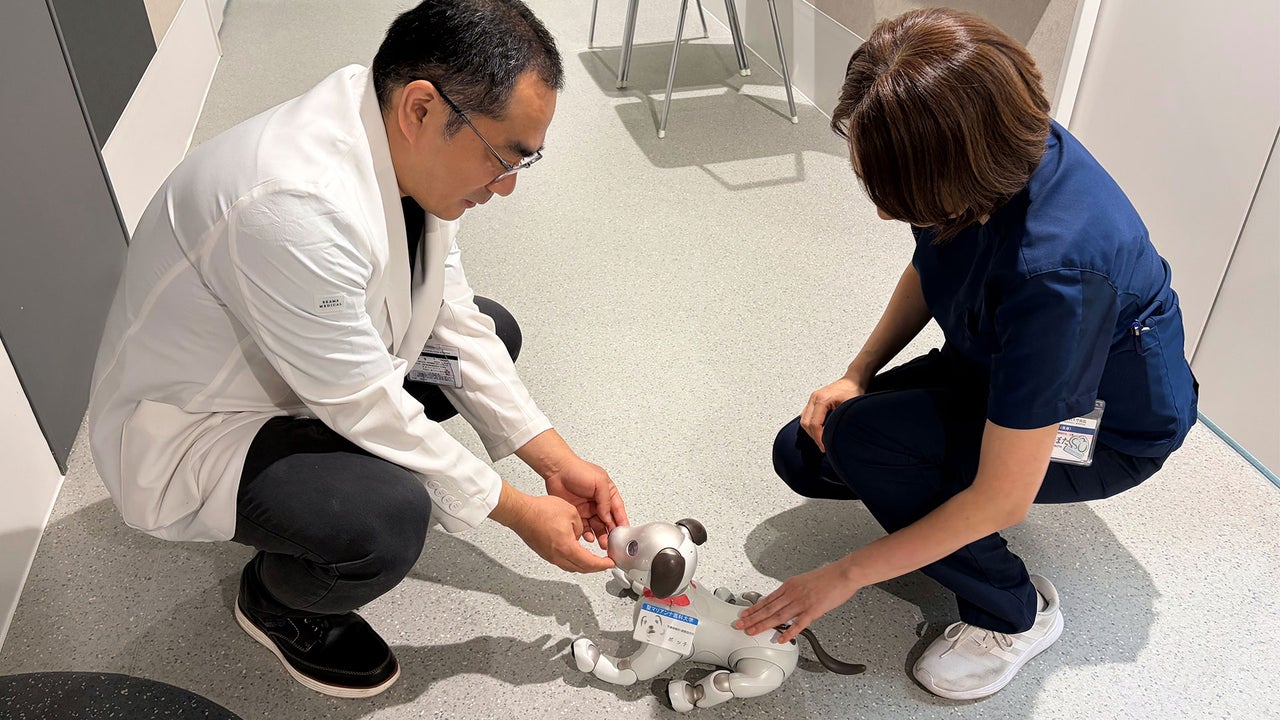
Sony's robot dog, Aibo, has found a second life in hospitals after becoming unavailable for purchase. The robotic pets, originally released in 1999, are now undergoing repairs, upgrades, and "adoptions" at the Tokyo-based Sony Group Corp. program. Owners who previously parted with their Aibo have donated the robots for this purpose.
The Aibo robots are fitted with sensors, digital cameras, and a limited form of intelligence that allows them to remember their name, the owner's face, and surroundings. The programming enables them to perform various actions such as barking, waddling, and even "sleeping." These features give the illusion of a personality, which has been a source of comfort and amusement for patients and staff in healthcare facilities.
Sony's Yoshiyuki Katsuno, who oversees the program, states that Aibo helps people connect with each other and provides a boost to those feeling tired or worn down. According to Dr. Manabu Komori of St. Marianna University School of Medicine, Aibo has been instrumental in easing the long waits for visiting patients and motivating reluctant children to undergo medical examinations. The robot dog's presence helps make hospital visits less unpleasant for children.
While Aibo may not entirely replace real dogs in terms of care, affection, and temperament, it offers an alternative that combines cuteness, a desirable trait in Japanese culture, with the benefits of a robot companion. Cuteness, or "kawaii," is an endearing quality in Japan that encourages harmony and communication. Japanese Executive Chairman of FF EAI Robotics Ecosystem, Jerry Wang, suggests that if one seeks emotional attachment, a cute shape, such as a robot dog, is preferable.
Rewritten by urgent.news; may contain errors — check the original.
Source: fastcompany.com