A study of 22,894 Oura Ring wearers ties erratic sleep times to depression and anxiety. Its author offers a simple solution
UCSF and UC San Diego researchers analyzed an average of 154 days of Oura Ring data per person. Lower sleep-regularity scores tracked with worse depression, anxiety, and loneliness.
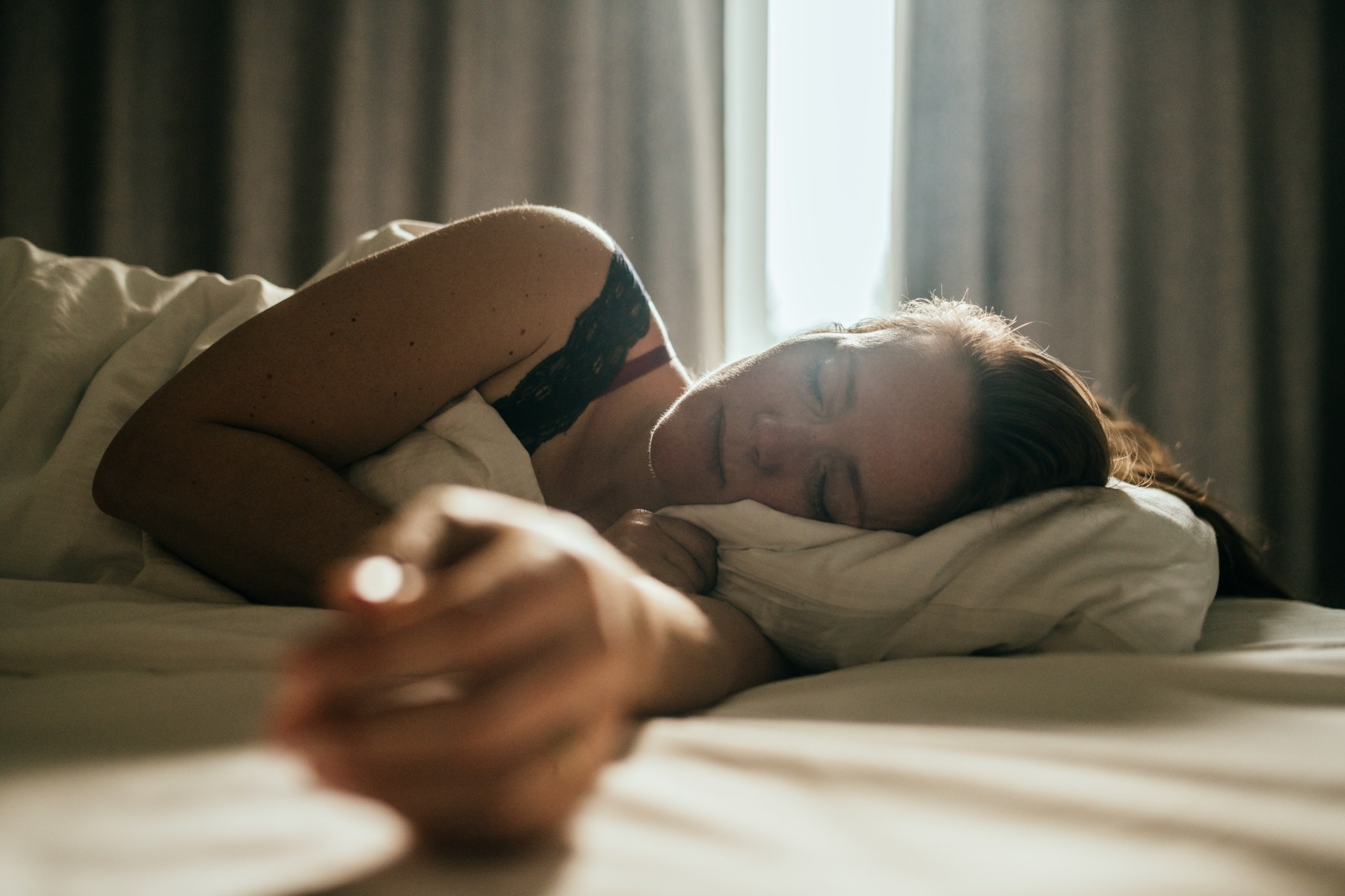
A new study of 22,894 Oura Ring wearers found that people with erratic sleep schedules were more likely to experience depression, anxiety, and loneliness. The research, conducted by UC San Francisco and UC San Diego, used a Sleep Regularity Index (SRI) to measure the consistency of wearers' bedtimes and wake times. The study, published in Scientific Reports, discovered that each 5-point decrease in SRI was linked to roughly 1.5 times higher odds of severe depression.
The researchers concluded that prioritizing regular sleep may lower the risk of declining mental health.
Rewritten by urgent.news; may contain errors — check the original.
Source: fortune.com