12-year-olds linked to women and child offences - PSNI
Children as young as 12 have been detected by police for offences involving women and children, the PSNI's top public protection officer has said, as force launches fresh initiative to cut the levels of such crime.
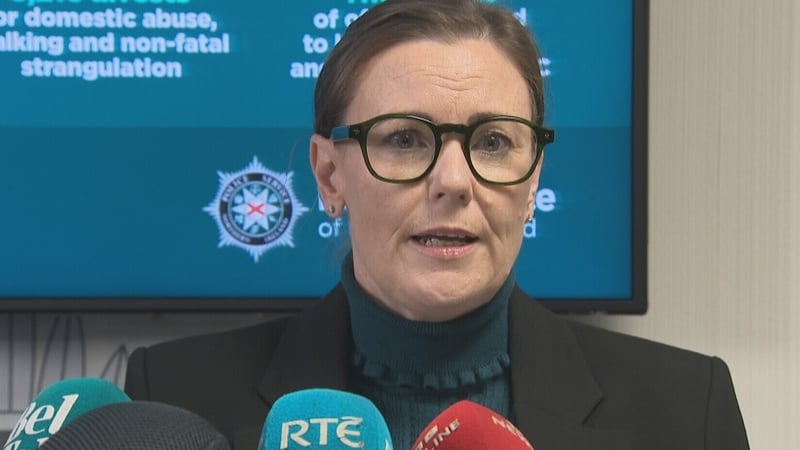
Chief Superintendent Zoe McKee, the PSNI's top public protection officer, recently announced that children as young as 12 have been caught by police for offences involving women and children. She unveiled a new initiative aimed at reducing such crime. Most of the children, aged 12-14, were involved in online activities, sometimes involving sexual imagery of children. They were spoken to by both police and social services to support the offenders and determine if they might be victims.
Ms McKee made these remarks while launching an updated strategic framework for dealing with domestic and sexual violence in Northern Ireland. She described such crime as a "parasite" in society, noting that more than half of all sexual offending involves crimes against children. Earlier interventions, better investigations, and enhanced training for officers were pledged by the police.
Northern Ireland has grappled with a major issue of violence against women and children, with 32 women and several children murdered since 2020, mostly by known men in their own homes.
The police have faced criticism over deficiencies in a high-profile murder case, which a review found to be indicative of "institutionalized misogyny" that blinded officers to the true nature of the crime. Recently, an officer was dismissed for displaying "predatory behavior" towards a woman he was sent to help following a report of domestic abuse.
Ms McKee highlighted this as a positive step, indicating that the organization is rooting out officers who have no place in it. She stressed that such officers are a minority, and the majority of police officers act with "care and professionalism". The ombudsman's office has previously reported that officers abusing their position for sexual purposes account for over a third of the most serious cases they deal with.
Rewritten by urgent.news; may contain errors — check the original.
Source: rte.ie