ZDNET’s best headphones of 2026: These two pairs left us impressed
We tested dozens of Bluetooth headphones in 2026, but two stood out. Here’s our top picks.
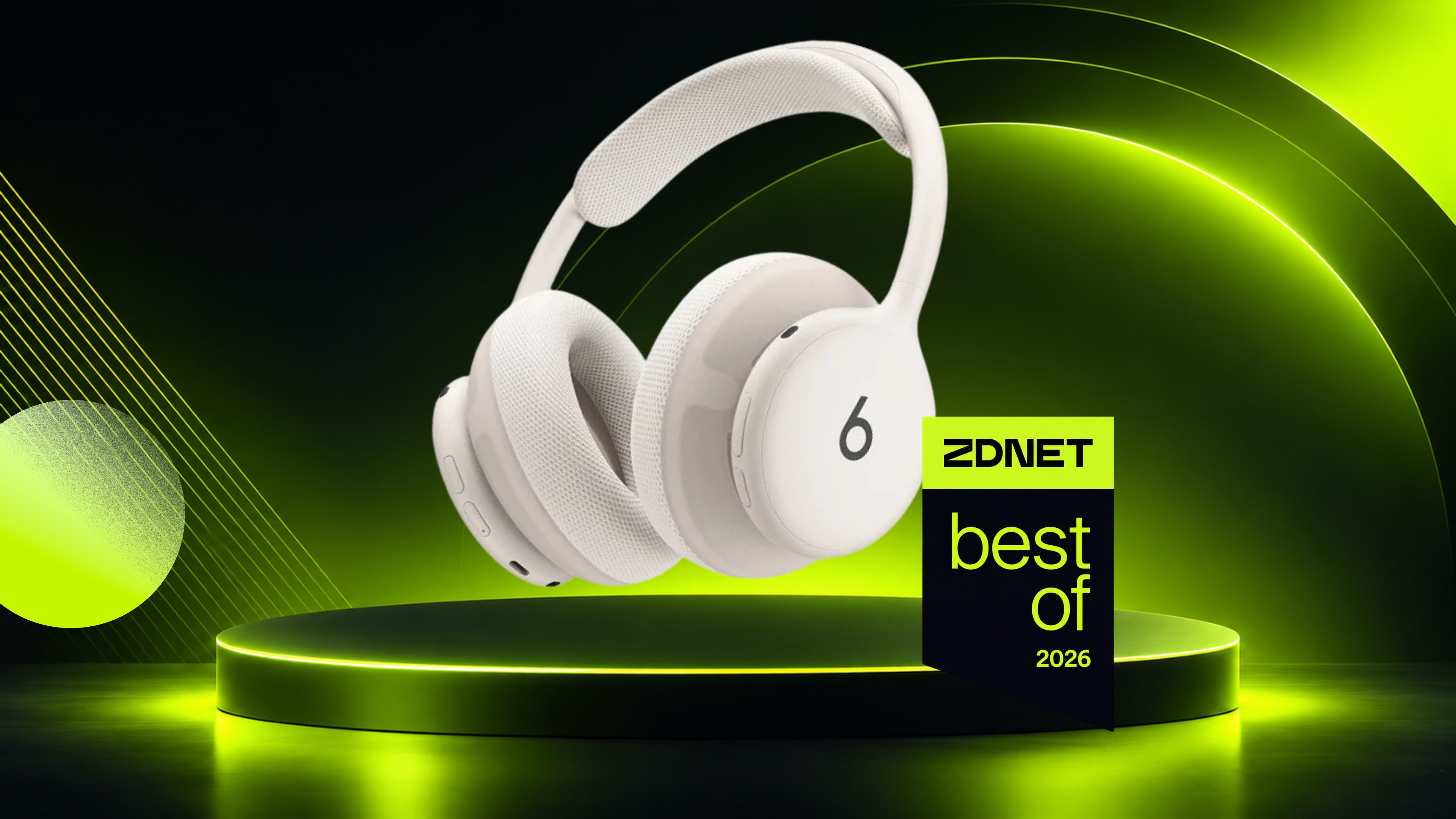
In the world of headphones, ZDNET conducted extensive testing and research to determine the best options for 2026. While individual preferences play a significant role in headphone selection, there are other factors that contribute to a pair standing out, such as improvements over previous models, unique features, and the incorporation of advanced technologies. These criteria led ZDNET to select two particular headphones as their Editors' Choice for this year.
One of the top picks is the Sennheiser Momentum 5. This headphone boasts significant upgrades compared to its predecessor, making it an impressive choice. Another standout is the Sonos Ace Ultra, which has been awarded a special designation due to its unique and practical features.
Beyond sound quality and noise-canceling capabilities, ZDNET also considers headphones that embrace the latest wireless and audio technologies. The Sony WF-1000XM6 is an example of such a device, as it integrates LE Audio and Auracast. During hands-on testing of numerous headphones throughout 2026, these two pairs emerged as clear winners due to their exceptional combination of features, audio performance, and value for their respective price points.
Rewritten by urgent.news; may contain errors — check the original.
Source: zdnet.com