Your guide to 'hanji' experiences in Korea
There is a quiet resilience woven into every sheet of hanji, Korea’s traditional mulberry paper. Said to last a thousand years, hanji is far more than a historical artifact — it is a living, breathing medium that bridges ancient craftsmanship and contemporary design. For those looking to escape digital noise and the business of city life, a journey into the world of hanji offers a tactile…
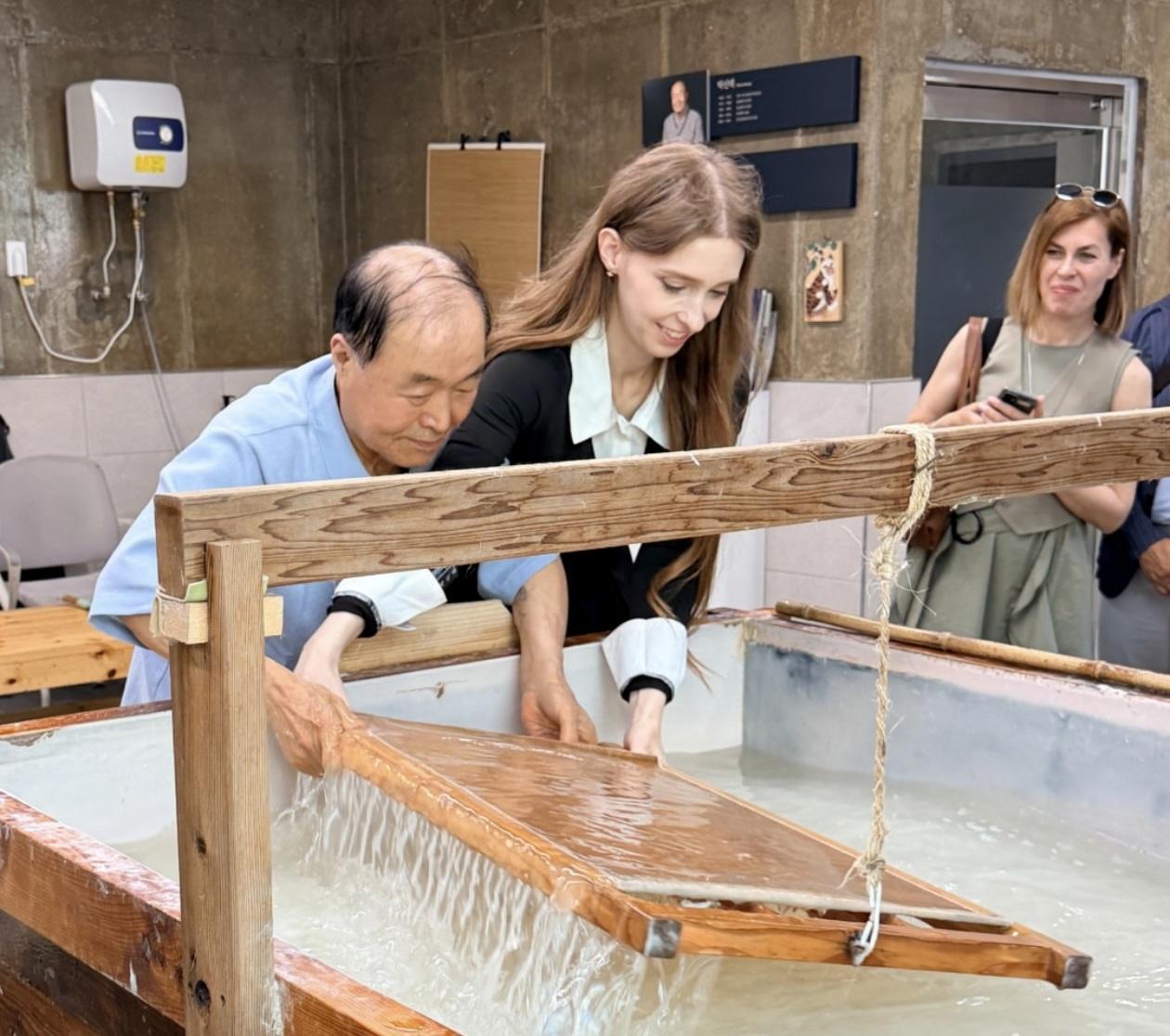
Mungeong, a city in North Gyeongsang Province, Korea, holds a significant place in the history of "hanji," traditional Korean paper. With a rich history spanning over a millennium, hanji has been an indispensable part of the Korean Peninsula's cultural and intellectual growth. Originating during the Three Kingdoms period, which lasted from 57 BC to 668 AD, hanji played a pivotal role in the dissemination of Buddhism, the flourishing of publishing, and the advancement of printing technology.
During the Silla and Goryeo dynasties, which ruled Korea from 57 BC to the late 13th century, Korean paper gained international acclaim for its superior qualities, namely its exceptional whiteness, smooth texture, and remarkable durability. These attributes made hanji a highly sought-after export commodity, particularly in China and Japan.
The Joseon Dynasty, which reigned over Korea from 1392 to 1910, further expanded hanji production to meet the increasing demand for books and scholarly publications. As the world moves further into the digital age, with industrial machinery and chemical processes increasingly dominating various industries, the preservation of traditional practices like hanji-making becomes all the more crucial.
Next week, hanji is set to take center stage on the global stage as its centuries-old knowledge and techniques are expected to be inscribed on UNESCO's Intangible Cultural Heritage list. The final decision on this matter is anticipated during a UNESCO committee meeting in Xiamen, China, scheduled to take place between November 30 and December 5.
Rewritten by urgent.news; may contain errors — check the original.
Source: koreatimes.co.kr
This story
This is one outlet's version. Read the fullest account.
- Enduring legacy of 'hanji,' Korea's traditional paper koreatimes.co.kr