X chromosome gene may explain autism’s sex bias
Researchers have identified a potential genetic link to autism's higher prevalence in boys, according to a study published in Nature. The findings suggest a gene on the X chromosome, ZFX, may contribute to the "female protective effect," explaining why fewer girls than boys are diagnosed with the condition. Geneticist Donna Werling, who was not involved in the study, says the research provides a "first direct link between sex differential biology and regulation of known autism risk genes."
The study, conducted by a team at Harvard Medical School and led by graduate student Maya Talukdar, investigated the impact of knocking down 20 autism-linked genes on the expression of other genes. When the researchers used genetically identical neural progenitor cells derived from a male stem cell line, they found that the knockdowns affected a median of 920 genes, with 18 of those changing the expression of at least 287 other genes.
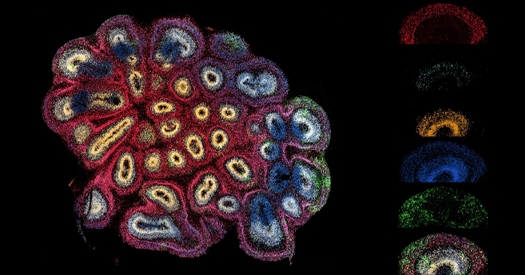
Many of these downstream genes are themselves associated with autism. The team also observed the same transcriptomic convergence in brain organoids, where it appeared in both progenitor cells and excitatory neurons. One key gene identified in the study, ZFX, which is expressed on both X chromosomes, was found to be female-biased and frequently suppressed by knockdowns.
High-impact autism variants usually cause a loss of function for the encoded protein, and the researchers found that a mutation in a different autism-associated gene could ultimately lead to decreased expression of ZFX and other autism-linked genes. In females, higher expression of ZFX could potentially "put the brakes" on this effect.
The researchers also found that the knockdowns changed the expression of other female-biased autism genes, including several on the X chromosome, suggesting that ZFX may play a role in this protective effect. Although the study does not fully explain the female protective effect, it provides a promising avenue for understanding autism's sex bias and could have broader implications for other male-biased childhood conditions.
Rewritten by urgent.news; may contain errors — check the original.
Source: thetransmitter.org