Who Was Hermes Trismegistus, and Why Does He Still Matter?
Explore the mystery of Hermes Trismegistus and how Hermetic philosophy shaped Western thinking about consciousness, matter, and reality.
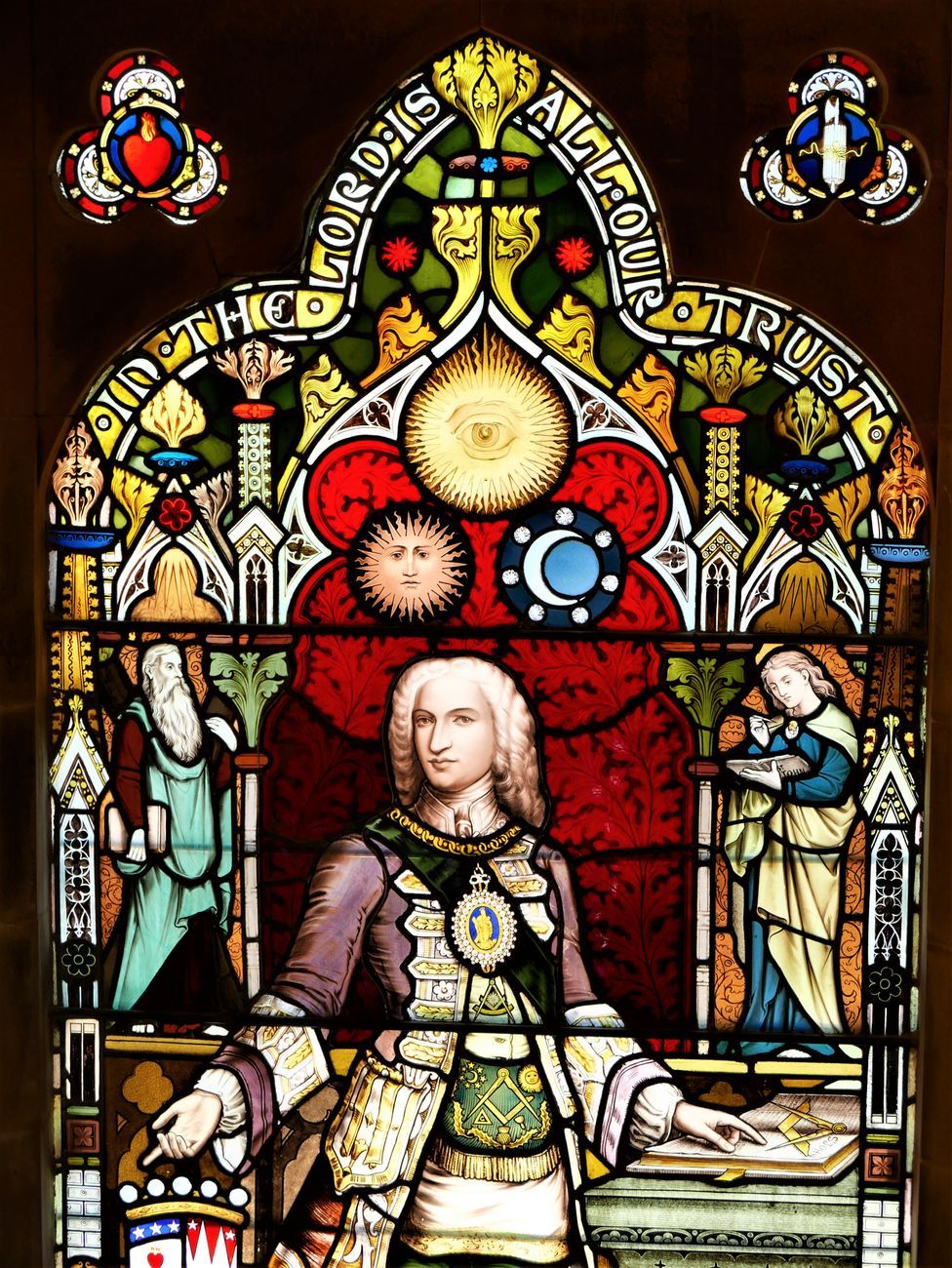
Hermes Trismegistus, a figure deeply embedded in the Corpus Hermeticum, remains a mysterious and influential enigma. This account delves into the various theories surrounding his identity and the enduring significance of his ideas.
The first theory posits Hermes Trismegistus as a real Egyptian sage, contemporary or near-contemporary to Moses. He allegedly penned down the wisdom of the gods, an idea held by Renaissance humanists who rediscovered the texts in the 15th century. Marsilio Ficino's Latin translation of the Corpus Hermeticum in 1463 for Cosimo de' Medici contributed to its prominence. However, the dating of the texts proved incorrect, yet its impact on Renaissance thought persisted.
The second theory suggests Hermes Trismegistus as a composite figure, emerging from the fusion of Greek and Egyptian religions in Alexandria. This synthesis identified the Greek god Hermes with the Egyptian god Thoth, linking him to the title "Thrice-Greatest," which belonged to Thoth in earlier Egyptian texts. The Corpus Hermeticum itself presents Hermes not as a historical person but as a stand-in for divine intelligence, emphasizing that the ideas are not the property of any individual.
The third theory aligns with the texts themselves, suggesting that Hermes Trismegistus is not a historical figure but a symbol for divine intelligence writing through human hands. This perspective downplays the importance of individual authorship, focusing instead on the universal nature of the ideas.
The Corpus Hermeticum, comprising eighteen books, was collated in Alexandria in the second and third centuries CE, written in Greek, Latin, and Coptic. Contrary to expectations, it was not written in hieroglyphs. The central figure of the cosmology, Atum, represents the cosmic mind and pre-existing intelligence that contains all potential. The Hermetic writers inherited the name of Atum, preserving most of its original meaning, with Atum being the first thing that existed and the totality of everything that exists.
Atum's role in the Hermetic writings is pivotal, as he is not a person but the source of all that exists through thought. The physical universe is not primary; rather, thought is the foundation, and matter is what thought produces when it slows down enough to become form. This idea is encapsulated in the Hermetic phrase "light precipitates matter," where light signifies the intelligence of the cosmos, and matter crystallizes as the expression of thought taking shape.
The Thoth-Hermes synthesis, the fusion of Hermes and Thoth, holds significance in understanding the nature of knowledge and the guide across the threshold of death. Hermes, as the Greek god of crossings, boundaries, messages, and guides, embodies the figure who can stand in both worlds at once. This synthesis is fundamental to the Hermetic corpus, which is fundamentally about crossings: between the known and the unknowable, the living and the dead, the material and the immaterial.
Embedded within the Hermetica is the doctrine of transformation, asserting that death is not what it appears to be. For the Hermetic writers, nothing dead either has been, is, or shall be in the world, as dissolution is not death but a means of making new. This perspective reframes the concept of death, emphasizing the enduring nature of thought, pattern, and intelligence beyond physical forms.
In essence, the Hermetic writings present a cosmological view where everything in the physical world is a temporary expression of a thought in Atum's mind, and when the local form dissipates, the thought remains.
Rewritten by urgent.news; may contain errors — check the original.
Source: hackernoon.com