When toileting signals something sinister
OUR toilet habits are often a reflection of our overall health. Unfortunately, due to the nature of the topic, it is rarely brought up.
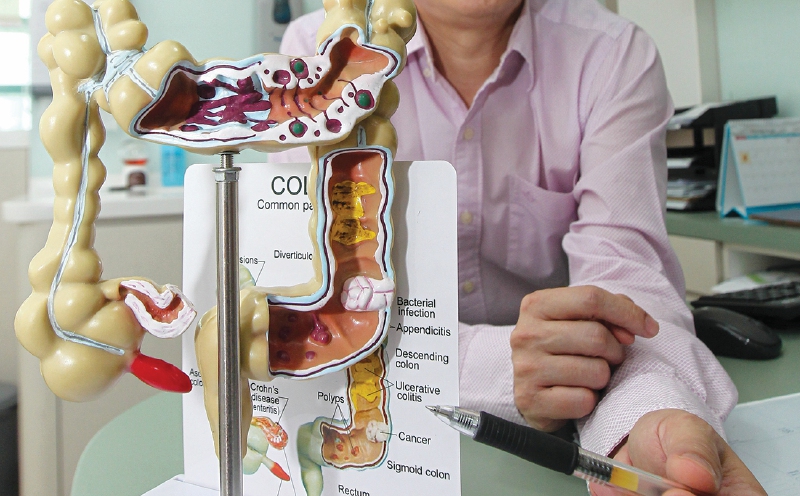
Our bowel movements often reveal our general well-being, yet this topic is rarely discussed. Hemorrhoids and constipation, for instance, indicate that the body’s internal mechanisms are not functioning optimally. Hemorrhoids are a frequent condition characterized by pain, swelling in the anal area, and bleeding during bowel movements.
Many individuals dismiss it as a minor issue, but it can be effectively treated. However, complications arise when symptoms endure and are accompanied by alterations in bathroom habits. Dr Chong Hoong Yin, a consultant general and colorectal surgeon at Hospital Picaso, advises seeking medical attention if other signs emerge, such as persistent constipation or diarrhea, or abdominal discomfort.
These changes may signal something beyond the norm for an individual. Timing and the specific nature of symptoms are crucial, as they could indicate a more severe condition like colorectal cancer. Regrettably, colorectal cancer is on the rise globally, with a growing number of younger adults affected, particularly in Malaysia. Contributing factors include diets rich in processed foods and red meat, low in fiber, along with smoking and a lack of physical activity.
Genetic predisposition also plays a role, especially when first-degree relatives have been diagnosed. Individuals with such a history should begin screening ten years prior to the age at which their relative was diagnosed. For the general public, a colonoscopy is typically advised once every ten years from age 45. During this procedure, doctors can remove polyps, preventing cancer from forming.
Nevertheless, late detection is a significant issue in Malaysia, with most cases identified at advanced stages, leading to complicated treatments and a grim prognosis. Early detection remains the key to effectively managing colorectal cancer, ensuring successful recovery and a return to normalcy. For more information on colorectal cancer, visit Hospital Picaso at No 110, Jalan Professor Khoo Kay Kim, Seksyen 19, 46300, Petaling Jaya, Selangor Darul Ehsan.
Rewritten by urgent.news; may contain errors — check the original.
Source: nst.com.my