Vulin instead of Vučić: Russia is trying to preserve its influence in the Balkans after the change of power in Serbia
Moscow is stepping up pressure on Belgrade after the recent election victory of the opposition Student List. With an important gas-supply contract expiring and the sale of sanctioned oil and gas company NIS still unresolved, energy cooperation has moved to the fore. The Kremlin’s pressure is focused not only on Serbia, but also on Republika Srpska in Bosnia and Herzegovina and on Montenegro,…
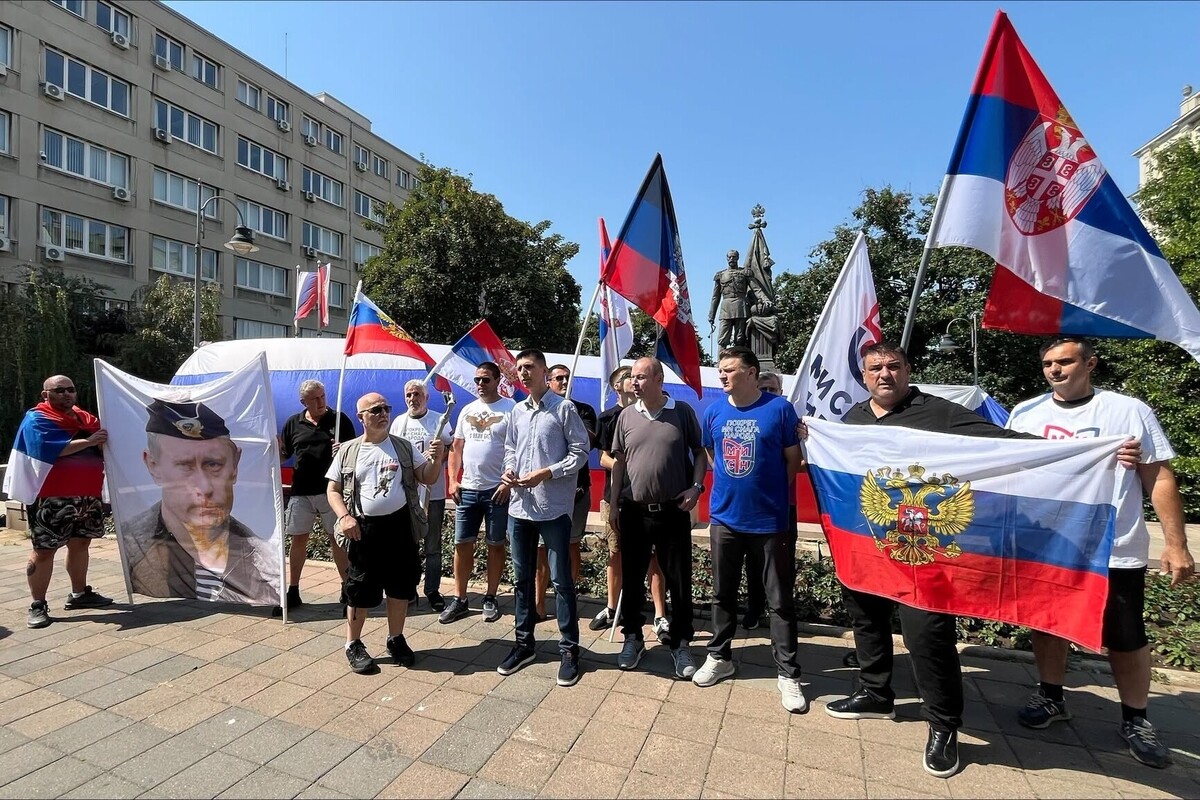
Serbia's relationship with Russia is changing after the country's recent parliamentary election saw the defeat of the Moscow-friendly government led by Aleksandar Vučić. The new ruling coalition, formed amidst anti-corruption protests and without any clear ties to Russia, signals a shift in the Kremlin's strategy in the Balkans.
While Serbia will still remain Russia's key partner, the old informal arrangements and political loyalties are losing their force. The Kremlin's efforts to portray Serbia as a "brotherly" country and a historical ally have not translated into recognition of Crimea or halted Serbia's European integration. The new Serbian authorities' focus on the rule of law and democratization will create greater distance between Belgrade and Moscow.
Despite this, Serbia's stance on sanctions is unlikely to change, and the Student List winners' lack of political experience may make them vulnerable to pro-Russian influence. Moscow has already made official contact with the winning coalition, signaling its interest in strengthening ties and supporting Serbia's territorial integrity.
Rewritten by urgent.news; may contain errors — check the original.
Source: theins.press