Vitalik Buterin calls for verifiable chips as hardware wallet threats evolve
Buterin warned that future attacks could use lookalike chips with hidden malicious functions, making hardware tampering harder to detect.
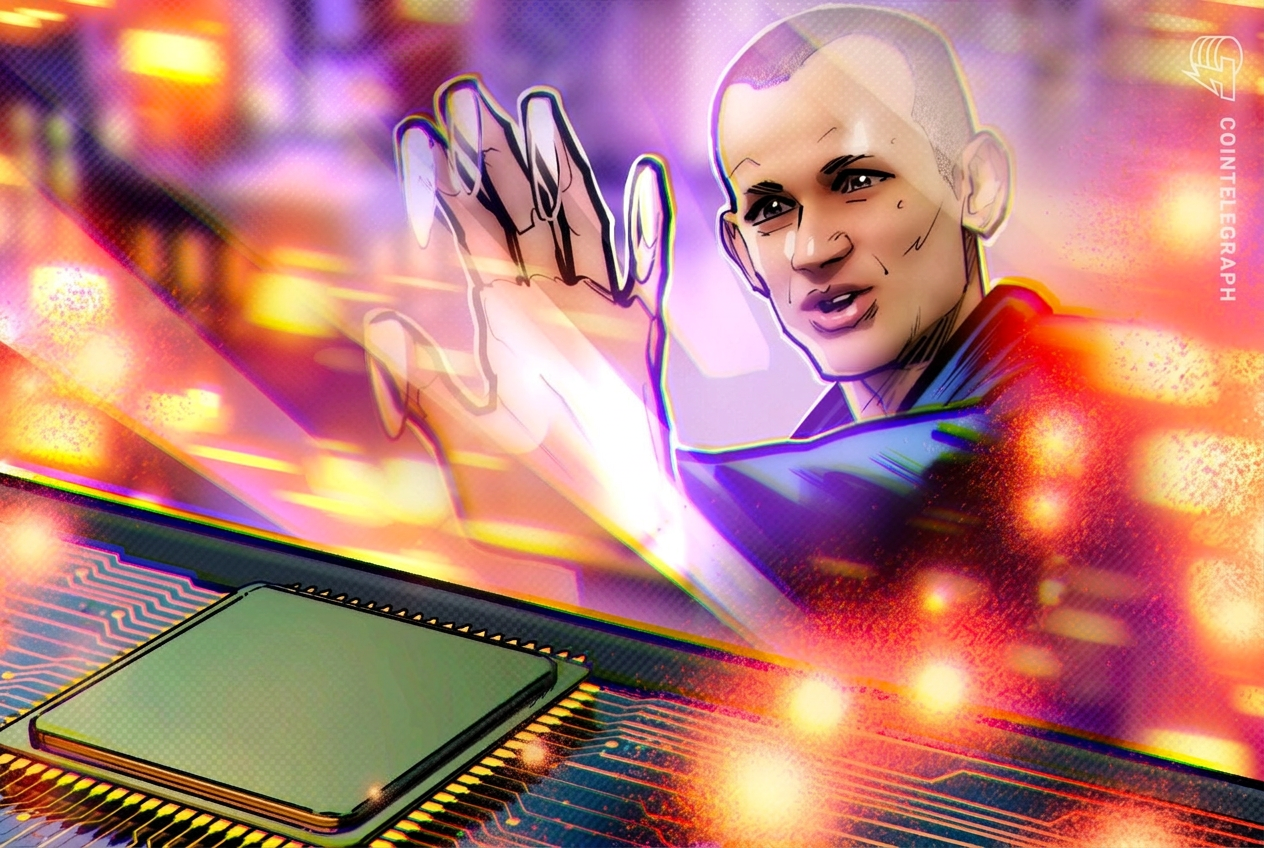
Ethereum co-founder Vitalik Buterin has called for improved verifiability in computer chips, citing the growing security threats in the hardware wallet sector. In a blog post, Buterin warned that future attacks could involve using lookalike chips with hidden malicious functions, making it difficult to detect tampering. Most commercial open-source chips do not provide enough information to verify their physical construction, he noted.
Buterin stressed that the concern is not theoretical, citing past incidents where spy implants were inserted into hardware wallets before they reached consumers. These malicious functions, he warned, can be difficult to detect and are not visible to the naked eye. In October, Ledger reported that reseller CryptoBilis had distributed devices with malicious implants that captured recovery phrases and transmitted them via cellular networks.
Ledger took action by suspending reseller sales in Southeast Asia and Hong Kong, tightening distribution rules and offering X-ray inspections after tampered devices were discovered. Similar incidents occurred in November with Trezor, which found implants in three devices sold through the same reseller and released a firmware update to prevent data capture.
Despite calls for full openness in hardware designs, Buterin acknowledged that the industry cannot expect all hardware to become open source due to commercial pressures. He hoped the industry would differentiate between performance hardware and secure hardware, with the latter being significantly less efficient but sufficient for everyday applications.
Rewritten by urgent.news; may contain errors — check the original.
Source: cointelegraph.com