The ongoing fight over a flawed KUHAP
The KUHAP tilts the balance heavily toward unchecked state power, eroding constitutional due process meant to shield civil society from abuse.
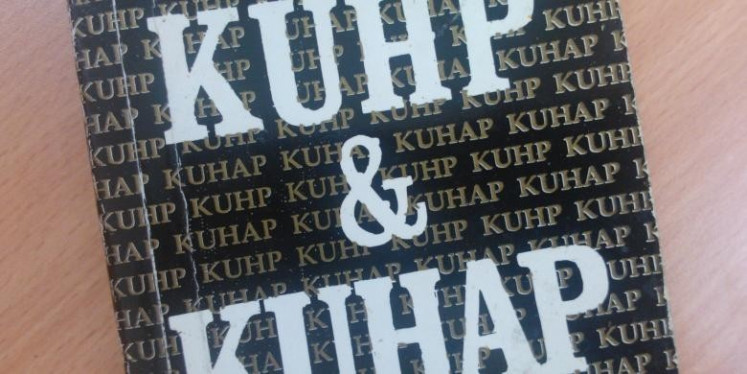
The Criminal Procedure Code (KUHAP) in Indonesia has sparked controversy due to concerns over its potential to undermine constitutional protections. Initially signed on December 17, 2025, and effective from January 2, 2026, this new law has been widely criticized by civil society for its perceived lack of transparency and due process.
One of the key issues lies in Article 22(1) of the KUHAP, which allows investigators to question individuals without formally suspecting or witnessing them. This seemingly innocuous clause, however, has serious implications. It essentially permits law enforcement to conduct covert interrogations and arrest individuals as "statusless," trapping them in a legal limbo where they lack the proper legal protections.
This loophole directly conflicts with the Indonesian Constitution, specifically Articles 1(3) and 28D(1), which guarantee the rule of law and fair legal certainty. The principles of lex certa (clear law) and lex stricta (strict law) are meant to ensure that legal procedures are well-defined and narrowly interpreted to prevent abuse.
Yet, KUHAP's Article 22(1) undermines these principles by allowing investigators to delay assigning a formal legal status, thereby bypassing the mandatory legal caution and eroding the right to remain silent and the right to legal counsel.
Rewritten by urgent.news; may contain errors — check the original.
Source: thejakartapost.com