The economic impact of inequitable toilet access
Inclusive public infrastructure is crucial for the socio-economic participation of all genders and social groups
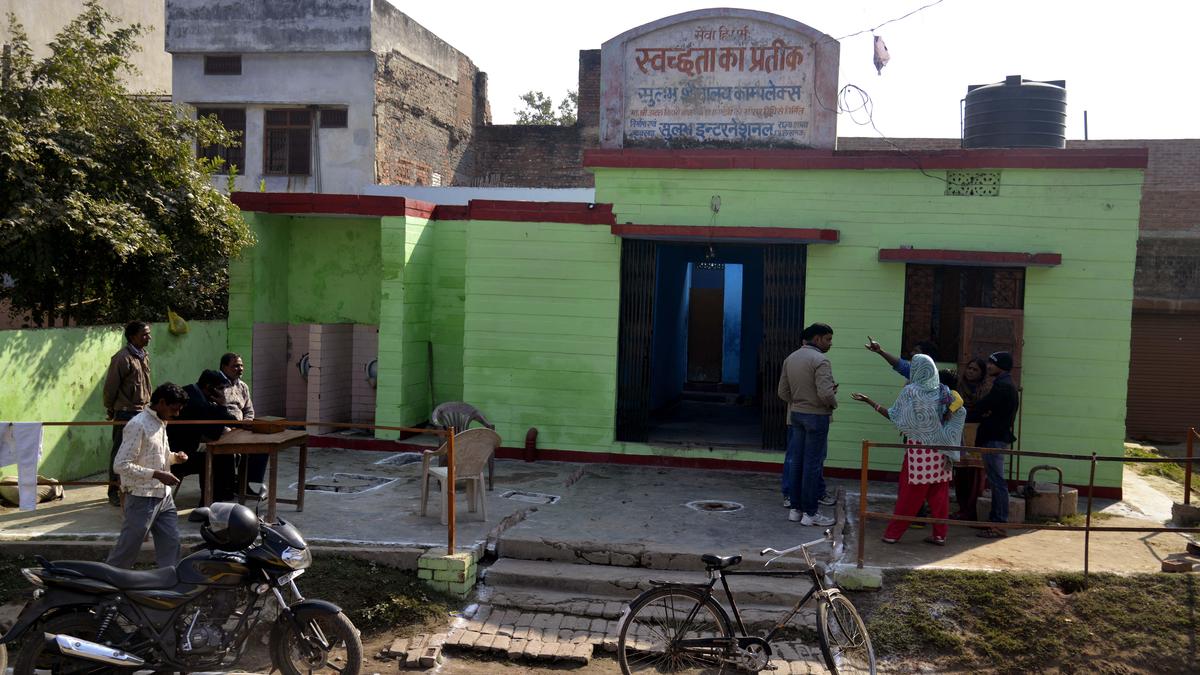
Access to adequate and functional toilets is a fundamental right guaranteed by Article 21 of India's Constitution. However, a significant gap remains in the provision of public toilets, particularly in metropolitan cities, despite the launch of the Swachh Bharat Mission (SBM) in 2014. This mission aimed to eliminate open defecation and enhance sanitation nationwide.
As World Toilet Day on November 19 approaches, it offers an opportunity to assess the mission's impact on ensuring access to clean, safe, functional, and dignified public toilets for all citizens.
The effectiveness of the SBM in achieving its goal of equitable access to quality public toilets is under scrutiny. The provision of such facilities is significantly influenced by the socio-economic status of neighborhoods. Just like other public infrastructure like schools and hospitals, the availability of toilets is a matter of where one lives, not merely an entitlement.
This disparity highlights a broader issue of inequity in India's infrastructure development, where access to basic amenities is often determined by one's economic background.
The implications of this inequitable toilet access are multifaceted, affecting productivity, health, and overall quality of life. For marginalized communities, the lack of access to clean and safe public toilets can lead to open defecation, a practice that poses severe health risks and perpetuates a cycle of poverty. Moreover, in an economy that thrives on productivity, the inability to work efficiently due to poor sanitation conditions can further exacerbate economic disparities.
As India moves forward, it is imperative to address this gap. The success of future sanitation initiatives will hinge on ensuring that all segments of society, irrespective of their socio-economic standing, have equitable access to public toilets. This includes investing in infrastructure development, particularly in underserved areas, and making toilets a priority in urban planning.
By doing so, India can move closer to fulfilling its constitutional obligations and ensuring that every citizen, regardless of their background, can participate fully and productively in the social and economic life of the nation.
Rewritten by urgent.news; may contain errors — check the original.
Source: thehindu.com
Other reports of this story
- The economic impact of inequitable toilet access thehindu.com