SpiceJet financial woes put India’s holiday travellers in turmoil
<p>Last December, India’s airports were a chaotic mess as IndiGo, the nation’s largest carrier, canceled thousands of flights because of a pilot shortage. This year, it’s the turn of another airline to leave passengers stranded - SpiceJet Ltd.’s cash crunch is so severe that it is unable to operate more than half of its scheduled journeys,…
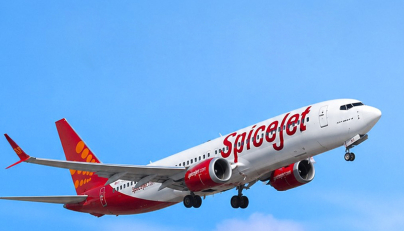
India's airports faced chaos last December due to a pilot shortage at IndiGo, the country's largest carrier. This year, SpiceJet Ltd. is struggling with a severe cash crunch, unable to operate more than half of its scheduled flights, according to The Economic Times. Founded as ModiLuft in the 1990s, SpiceJet has undergone multiple cycles of boom, bust, and rebirth, often facing financial difficulties.
India's lack of a modern bankruptcy regime has prevented viable airlines from being rescued and restructured. Despite an insolvency law in place for the past decade, no airline firm has undergone an overhaul while continuing to fly. The country's approach to airline restructuring differs from both American-style restructuring and Chinese government intervention, resulting in a weak state capacity and a dominant private duopoly.
While the market share of SpiceJet has significantly declined from nearly 4% to 0.6%, passengers continue to face disruptions and delayed refunds. The aviation watchdog has requested an explanation and a plan for SpiceJet to resume operations, but the airline is still allowed to take new bookings. Chairman Singh, SpiceJet's controlling shareholder, is attempting to revive the airline through a 55 billion rupees equity-raising plan, with talks underway for new investors.
The system, however, favors controlling shareholders over other stakeholders, leading to a situation where viable assets are not rescued and creditors face losses. The consequences of this approach may be manageable in less critical industries but are particularly problematic in aviation, where high aircraft costs and currency fluctuations make the economics precarious.
Rewritten by urgent.news; may contain errors — check the original.
Source: thepeninsulaqatar.com