Spain's former central bank head to succeed Lagarde as ECB chief
European leaders have chosen the former head of Spain's central bank, Pablo Hernandez de Cos, to succeed Christine Lagarde as president of the European Central Bank (ECB) as the ke...
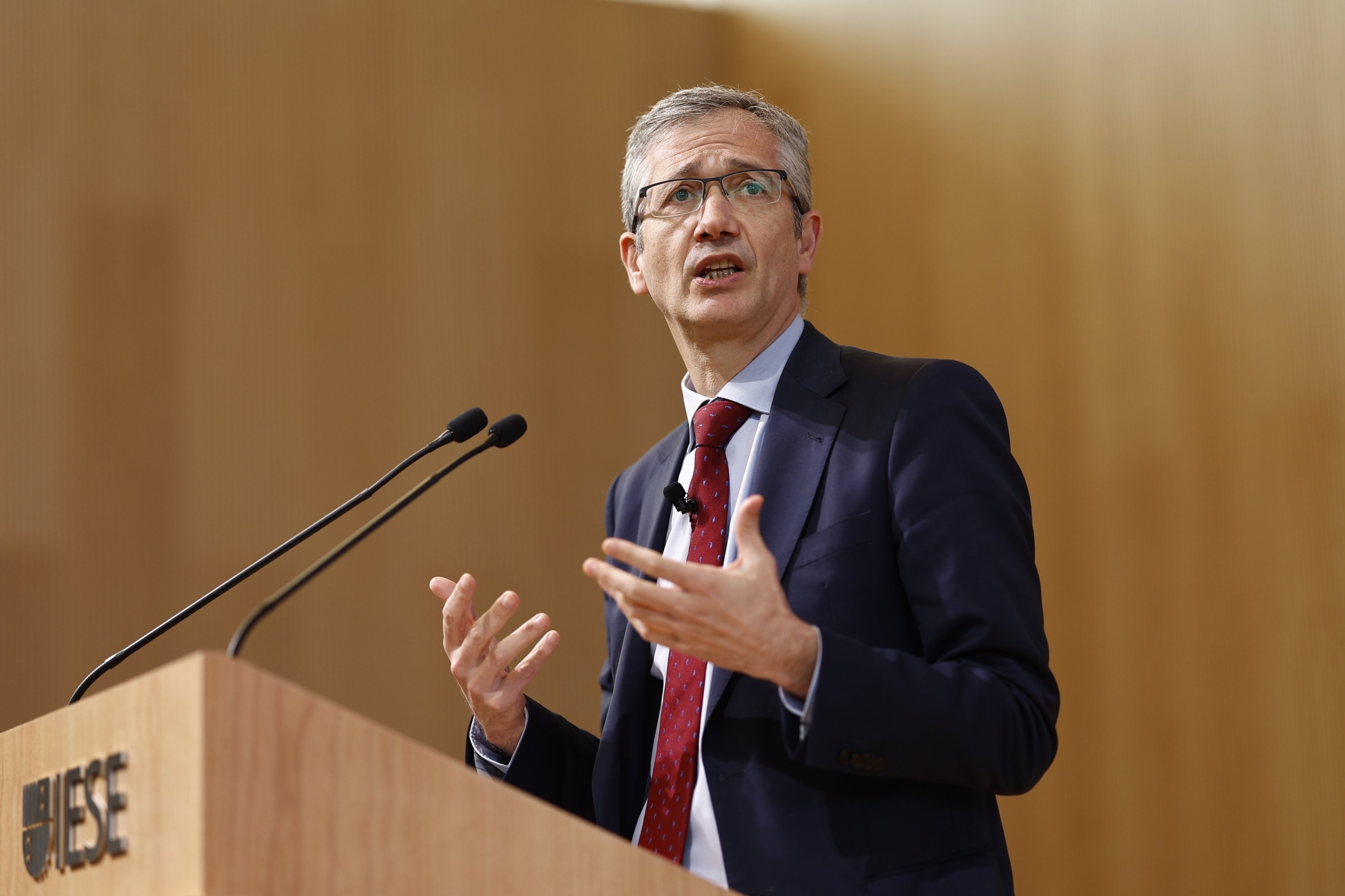
European leaders have selected Pablo Hernández de Cos, the former head of Spain’s central bank, to become the next president of the European Central Bank (ECB). The decision comes as the EU institution grapples with high inflation caused by the Iran conflict and concerns over high government debt and borrowing costs across Europe.
The three key positions at the ECB, which determines borrowing costs for the 359 million people in the eurozone, were filled at a summit in Brussels, according to an EU diplomat. De Cos, 55, previously served on the ECB’s rate-setting council from 2018 to 2024. Commerzbank analysts suggest that he leans more towards lower interest rates, known as a "dove" in monetary policy circles.
De Cos secured the position over Klaas Knot, another contender who was seen as more hawkish, favoring higher rates to combat inflation. De Cos has backed substantial pandemic stimulus in the past, stating it has been successful in curbing financial market deterioration and reducing borrowing costs for eurozone governments and corporations.
The appointment of De Cos as ECB president is seen as favorable by countries like France, which is grappling with high debt and interest costs. However, with inflation at 4%, above the bank’s 2% target, the ECB may still raise rates during its Dec. 17 meeting led by outgoing president Christine Lagarde. Lagarde announced her resignation on Oct.
30, nine months before the end of her eight-year term, allowing EU leaders to choose a successor while Macron remains in office. The ECB also filled two vacancies on its six-member executive board, appointing German economist Markus Brunnermeier and Laurence Boone. The ECB sets interest benchmarks for the 21 countries using the euro, influencing borrowing rates throughout the economy and impacting various financial products.
Rewritten by urgent.news; may contain errors — check the original.
Sources: winnipegfreepress.com · dailysabah.com
This story
This is one outlet's version. Read the fullest account.
- Leaders choose Spain’s former central bank head as next European Central Bank president winnipegfreepress.com