Spain’s De Cos set to be nominated by EU leaders as new ECB head
EU leaders are expected to nominate Spain's Pablo Hernandez de Cos as European Central Bank president, replacing president Christine Lagarde.
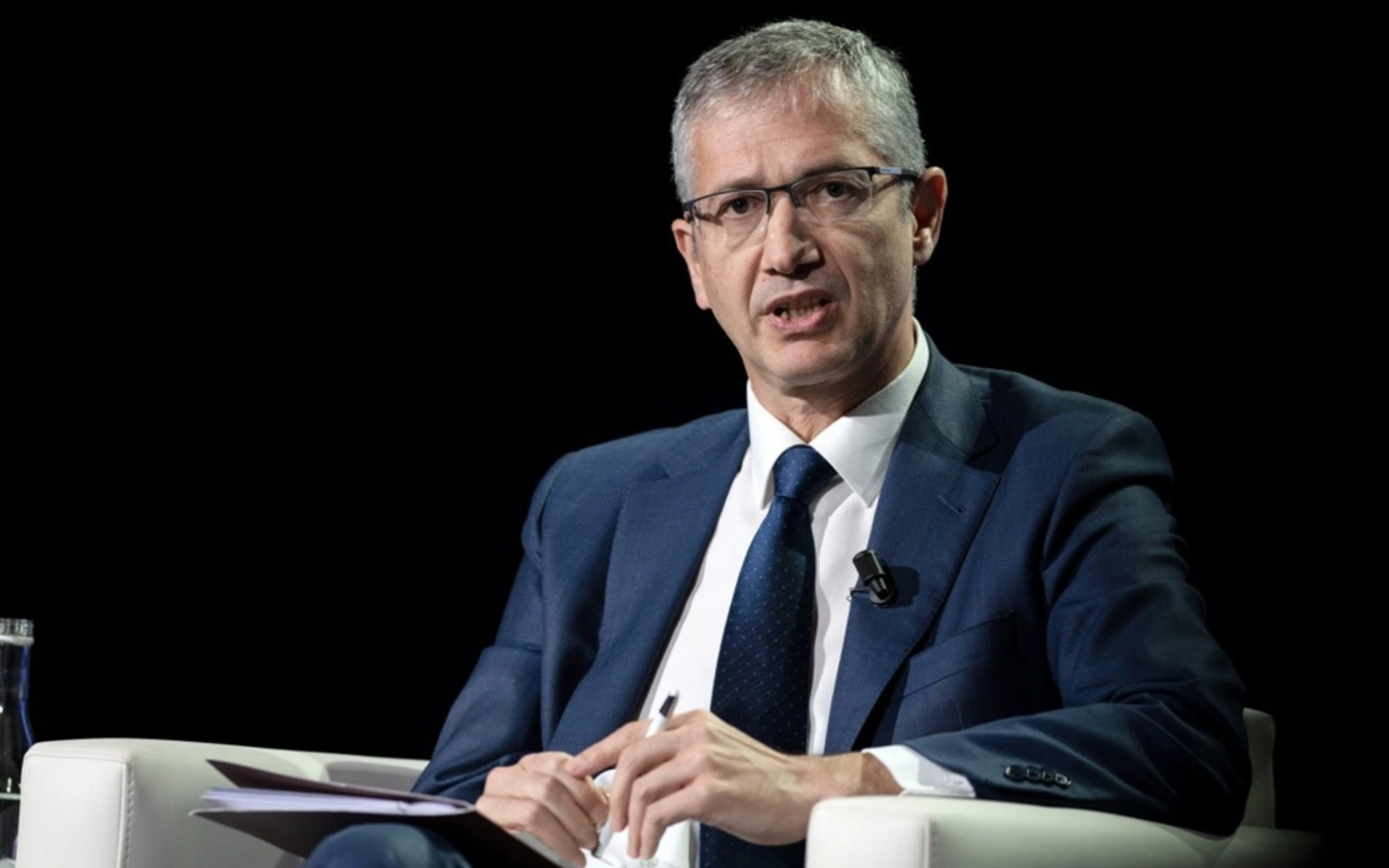
BRUSSELS: Spanish central banker Pablo Hernández de Cos is set to be chosen as the next head of the European Central Bank (ECB) on Thursday, marking a shift towards policy continuity at Europe's most influential financial institution. This decision follows months of closed-door negotiations over leadership positions on the ECB's six-member board.
De Cos, a former central bank governor and current general manager of the Bank for International Settlements, will succeed Christine Lagarde upon her departure in early February. The selection was confirmed after the Netherlands officially backed De Cos, replacing their own candidate Klaas Knot. This reshuffle comes amidst growing inflation concerns fueled by the Iran War, and apprehensions that political instability in France could disrupt financial markets across the euro zone.
EU ambassadors will convene to formally endorse De Cos and two other candidates for the remaining top positions at the ECB. De Cos, 55, has forged a reputation for independent thinking informed by economic theory and pragmatic policymaking, having held various staff positions at the ECB and Bank of Spain before becoming governor of Spain's central bank.
His tenure has encompassed several crises, including Spain's banking sector bailout, the COVID-19 pandemic, and the subsequent inflation surge, during which the ECB underwent its fastest rate-hiking cycle on record. Despite being labeled as a "dove" for advocating easier monetary policy, De Cos is perceived as a pragmatic, moderate figure whose influence is semi-restrictive within the 27-member Governing Council, which collectively determines interest rates.
Presently, inflation stands at 4%, double the central bank's target, necessitating a December rate hike. However, the bank's future path remains uncertain, with expectations of only one additional interest rate increase due to diminishing oil prices and an anticipated reduction in inflation from the spring, when recent base effects are factored into the data.
Rewritten by urgent.news; may contain errors — check the original.
Source: freemalaysiatoday.com
Other reports of this story
- Spain’s De Cos set to be nominated by EU leaders as new ECB head freemalaysiatoday.com