'Significant concern' as summer bushfire risk grows
Fire risk is heightened across several states as the long-range forecast predicts a hot, dry summer for most.
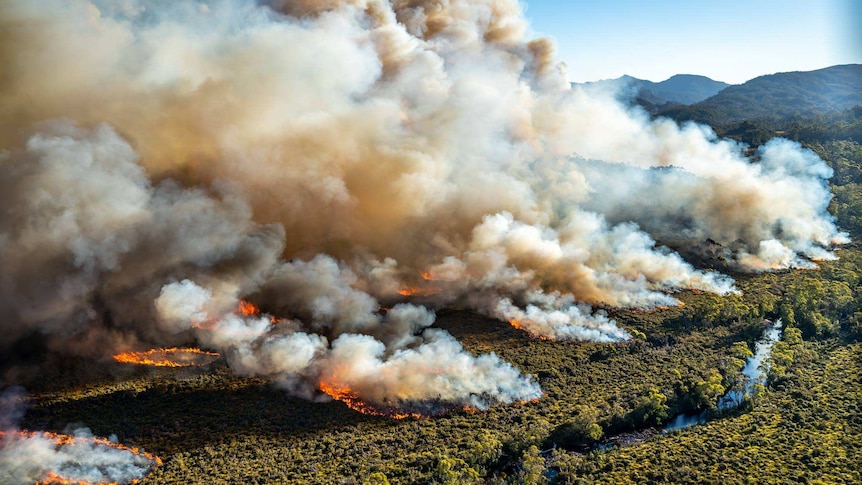
The Bureau of Meteorology has issued a "significant concern" regarding the rising bushfire risk this summer across Australia. Elevated fire danger areas are present in Tasmania, parts of Western Australia, South Australia, most of the Northern Territory, Victoria, and some regions within New South Wales. Conditions are anticipated to become drier across the northern and southeast states over the coming months.
The summer forecast from the BOM indicates unusually high temperatures, particularly during nighttime hours, in most parts of the country.
AFAC CEO Rob Webb explained that while the recent rainfall has reduced the chances of early starts in some areas, prolonged drying poses a higher threat even in regions that received higher spring rainfall. The outlook warns of increased fire risk due to unusually warm temperatures, which have been driven by climate change and El Niño.
This year's temperatures are on track to become Australia's wettest El Niño year on record, with drier conditions expected to start taking hold across northern and southeast states over the coming months.
Victoria faces heightened fire risk in many areas, especially East Gippsland and western regions. The risk will likely increase in woodland areas towards the state's south-west and far east early next year. Tasmania may also experience more intense fire behavior due to low rainfall and drier soils. While northern and south-eastern states are expected to see elevated fire risks from January, the top end fire season is winding down with large parts of Central Australia also facing an elevated fire risk from January.
Firefighters have raised concerns about the forecasted higher daytime and overnight temperatures across most of the continent over summer. Hotter temperatures not only increase evaporation but also mean less relief at night. This could lead to vegetation drying more quickly and burning for longer periods, posing a significant challenge for firefighting efforts.
Rewritten by urgent.news; may contain errors — check the original.
Source: abc.net.au